

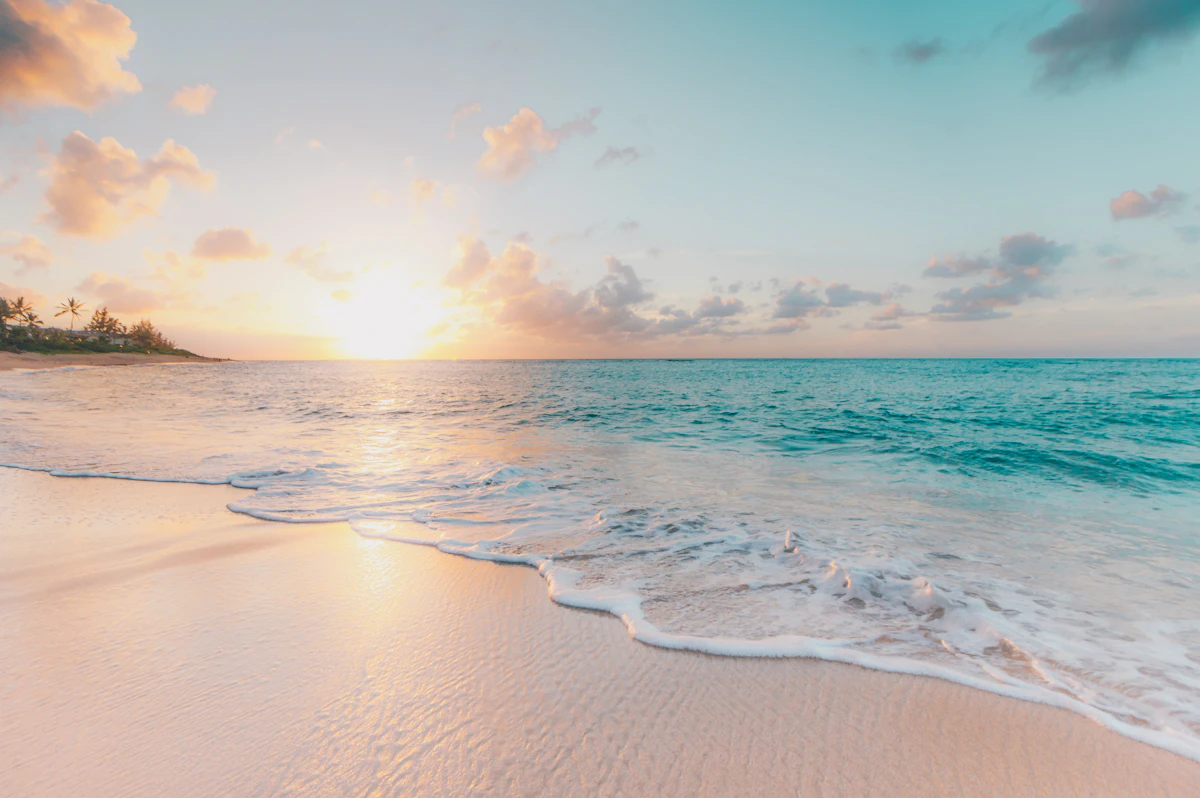
Counting the waves…
Counting the waves…
A refined fusion of water purity, environmental stability, and communal vibrancy for Playa Madre de Dios.
View MethodologyAnalyzed via live sensors and environmental data.
Wave height, wind, and atmospheric stability.
Live footfall and crowd balance metrics.
Community reviews and curated sentiment.
“Reaching Playa Madre de Dios requires negotiating with a boatman in Matina, then threading through narrow channels where river and sea blend into brackish labyrinths. The beach itself emerges suddenly—a wild sweep of…”
Limited recent visitor reports — live OBI telemetry is your best guide for current conditions.
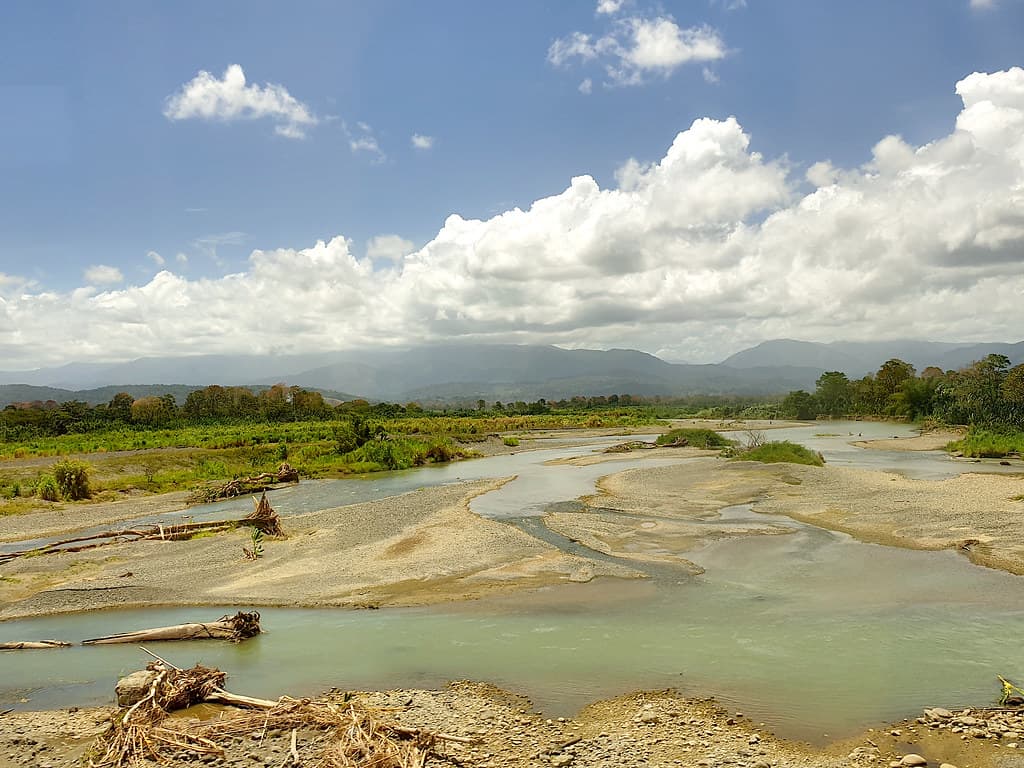
The journey to Playa Madre de Dios is half the story. You board a narrow boat in Matina's river port, and for the next thirty minutes, the world becomes a green tunnel—mangrove roots arching overhead, caimans sunning on mudbanks, herons frozen in hunting poses. The boatman navigates by memory through channels that shift with each wet season, and then suddenly the river mouth opens and you're facing the Caribbean, waves breaking white across the bar.
The beach stretches in isolation, bound on one side by the river delta's tangle and on the other by unbroken forest. Sand is coarse, mixed with river sediment and scattered with the massive logs that storms carry downstream and deposit here. The surf is powerful and disorganized where river current meets ocean swell, creating standing waves and churning foam. Swimming requires caution and respect for the cross-currents; this is not a beach for casual wading.
Person walking on a sand spit
Aerial view of turquoise tropical bay
Mangrove channels, delta exploration
Driftwood sculptures, forest edge
River meets sea, strong swimmers
Prime Visitation
Less Crowds
Where it is
Playa Madre de Dios
Matina, Limón Province, Costa Rica
10.114500°, -83.303300°
Weather
Loading…
Swell
—
Temp
Warm · Restorative
UV Index
Moderate
Wind
—
Tidal State
Last known
Max Sunlight
—
Ideal Shade
—
Jan - Dec (Peak)
May - Nov (Off-season)
Historical data suggests peak visibility and stable sea temperatures occur during the prime visitation window.
Select a category to load nearby places.
Unlock restaurants, luxury stays and curated maritime experiences within 2km
Swimming conditions at Playa Madre de Dios can be unpredictable due to its location near river and lagoon systems where freshwater meets the Caribbean Sea. Currents can be strong, especially near the river mouth, and there are no lifeguards on duty. The beach is very remote with limited emergency services nearby. Always assess water conditions carefully before entering, avoid swimming alone, and be particularly cautious during periods of heavy rainfall when river discharge increases significantly.
The driest months from February to April and September to October offer the most pleasant weather for visiting this remote beach. However, these periods also coincide with calmer seas which are better for boat access. The rainy season from May to August and November to January brings heavy precipitation but fewer visitors. Since this beach is all about solitude and nature, visiting during shoulder seasons balances decent weather with minimal crowds, though you should always confirm boat availability in advance.
Playa Madre de Dios requires boat access, making it one of the more challenging beaches to reach in the Matina area. You'll typically need to arrange boat transport from nearby communities along the river or lagoon systems. There's no direct road access to the beach itself. Contact local tour operators in Matina or Limón in advance to arrange transportation, as regular service may not exist. The journey involves navigating through coastal waterways, so departure times often depend on tides and weather conditions.
Due to its extremely remote location, Playa Madre de Dios has virtually no tourist infrastructure directly on-site. There are no hotels, restaurants, or shops at the beach itself. Visitors should plan to stay in Matina town or other nearby communities and make this a day trip, bringing all necessary food, water, and supplies. Some local guides may offer basic packed meals as part of boat tour packages. For overnight stays, you'll need to base yourself in the Matina district and arrange daily boat access.
Playa Madre de Dios stands out for its remarkable isolation and pristine ecosystem where river, lagoon, and ocean environments converge. This creates unique wildlife viewing opportunities, particularly for birds and aquatic species that thrive in brackish water environments. The beach sees almost no casual tourism due to its boat-only access, offering a truly untouched Caribbean coastal experience. The surrounding wetlands and waterways provide a distinct landscape compared to typical beach destinations, appealing to adventurous nature lovers seeking authentic wilderness experiences rather than resort amenities.
Photos