
The boat from Matina town cuts through calm river water the color of strong tea, past banana plantations and stands of bamboo that bow over the banks. When the channel widens and you catch your first glimpse of breakers, the village appears: a loose collection of wooden homes in faded blues and greens, their tin roofs catching the hard Caribbean light. You step onto sand that holds no footprints but your own and the delicate tracery left by ghost crabs.
“An off-grid Caribbean village beach where Afro-Caribbean heritage and riverine jungle meet the open ocean, reachable only by boat.”
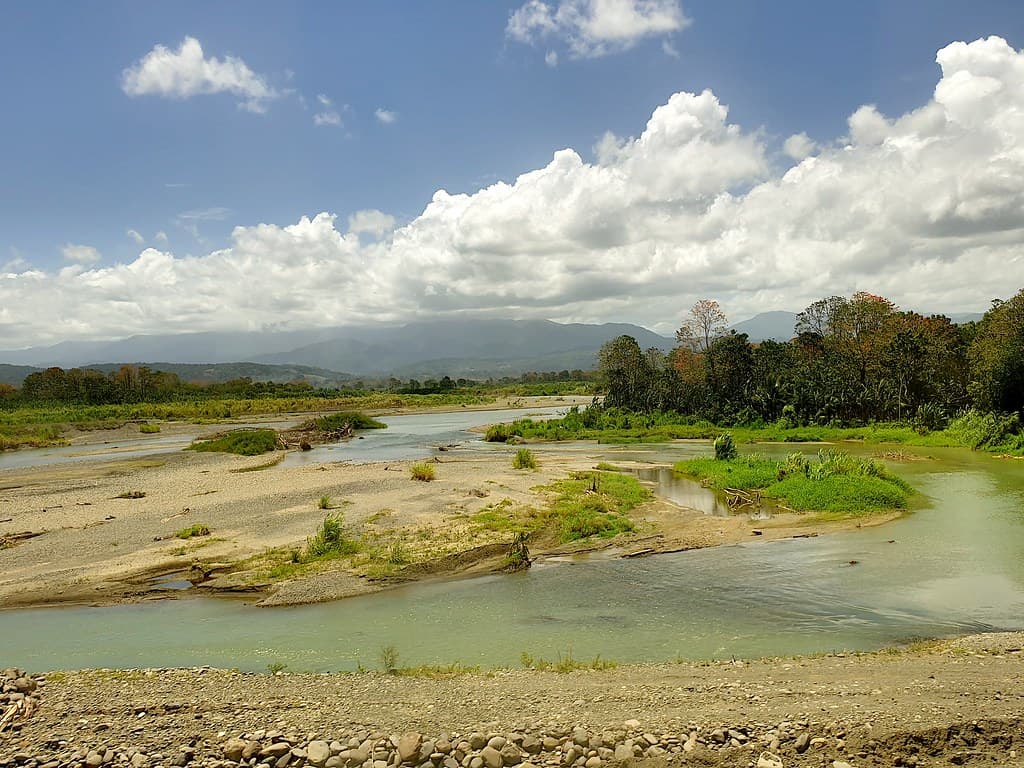 Credit: Flickr
Playa Barra de Matina — photo by Juhele_CZ
Barra de Matina operates on island time despite being firmly on the mainland. Fishermen mend nets in the shade of coconut palms, their Spanish inflected with the Creole lilt of Limón's coast. You walk the beach and find it edged with driftwood logs smooth as bone, some large enough to sit on and watch the surf. The waves here are gentle—more invitation than challenge—rolling in over sandy bottom that slopes gradually into deeper water. Behind you, the village hums with the sounds of reggae from a battery-powered radio and children's voices calling in the afternoon heat.
As the sun drops toward the forested interior, the light turns golden and the ocean surface catches it in flickering sheets. You swim in water warm as bathwater, tasting salt and the faint mineral tang of the river. There's no schedule here, no curated itinerary—just a beach that exists for the people who live beside it and the rare traveler willing to arrive the slow way, by water.


