
The first thing you notice is the quiet—no beach club thump, no vendors hawking coconuts, just the rhythmic crash of Pacific swells and the occasional rumble of a fishing boat engine. Playa Coronado sprawls along a sleepy stretch where the villages of Coronado and Ojochal blur together, a place where locals far outnumber travelers. The sand is coarse and golden, warm beneath your feet even in the shoulder season when afternoon clouds gather over the coastal range.
“One of the last undeveloped stretches along Costa Rica's southern Pacific where fishing culture still dictates the rhythm of the day.”
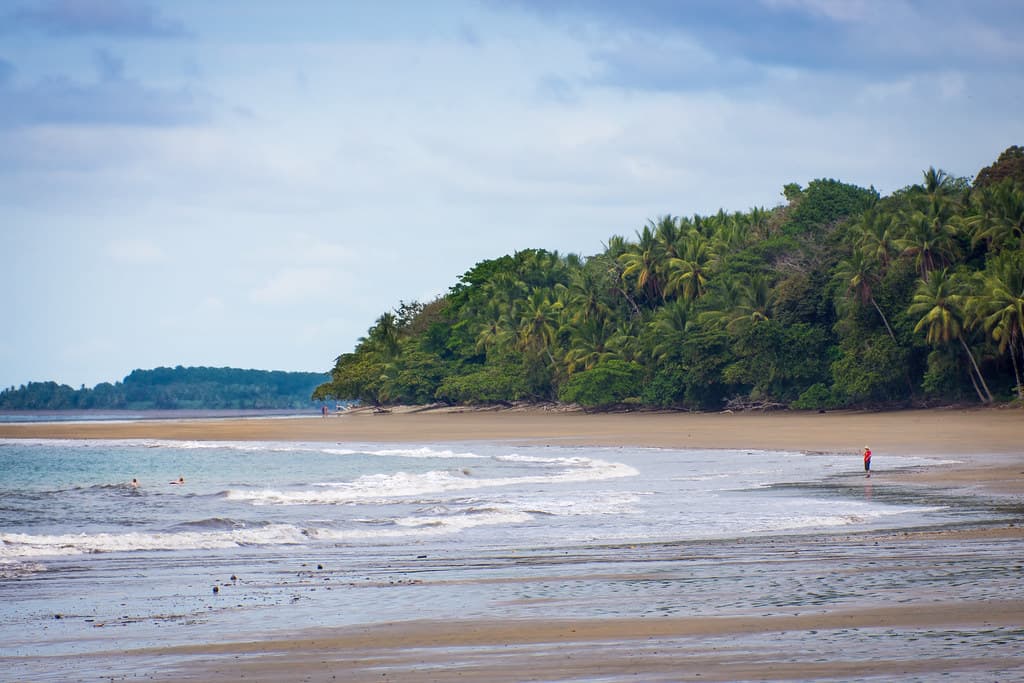 Credit: Flickr
Playa Coronado — photo by Geoff R Baker
Mornings here unfold slowly. Fishermen wade into the shallows, hauling nets onto weathered wooden boats. By mid-morning, the beach belongs to families who arrive with coolers and hammocks, claiming spots beneath the shade of sea almond trees whose leaves crunch underfoot. The waves break with enough force to dissuade weak swimmers but not enough to challenge anyone comfortable in the ocean. Rip currents are rare; the slope is gentle.
As the day wanes, the beach empties again. You'll watch the sun sink behind the forested ridges inland, the sky turning tangerine, then violet. A few surfers paddle out for the last set. A pair of toucans glides between the palms. This is not a beach for sunset selfies or sundowner cocktails; it's a beach for sitting still, for letting the salt air prickle your skin, for remembering what coastlines felt like before they became destinations.


