

Mogos is a secret kept by geography. Tucked into a fold of the gulf's inner coastline, it hides behind mangrove thickets and jungle that spills to the waterline. You arrive by panga or kayak, pulling onto sand the color of wet cement, still cool in the morning shade. The beach is narrow, maybe fifty meters across, hemmed by almond trees and strangler figs that lean out over the water. Hermit crabs patrol the tideline; ghost crabs vanish into holes at your approach.
“The gulf's most anonymous beach—no name on most maps, no reviews online, just coordinates and local knowledge.”
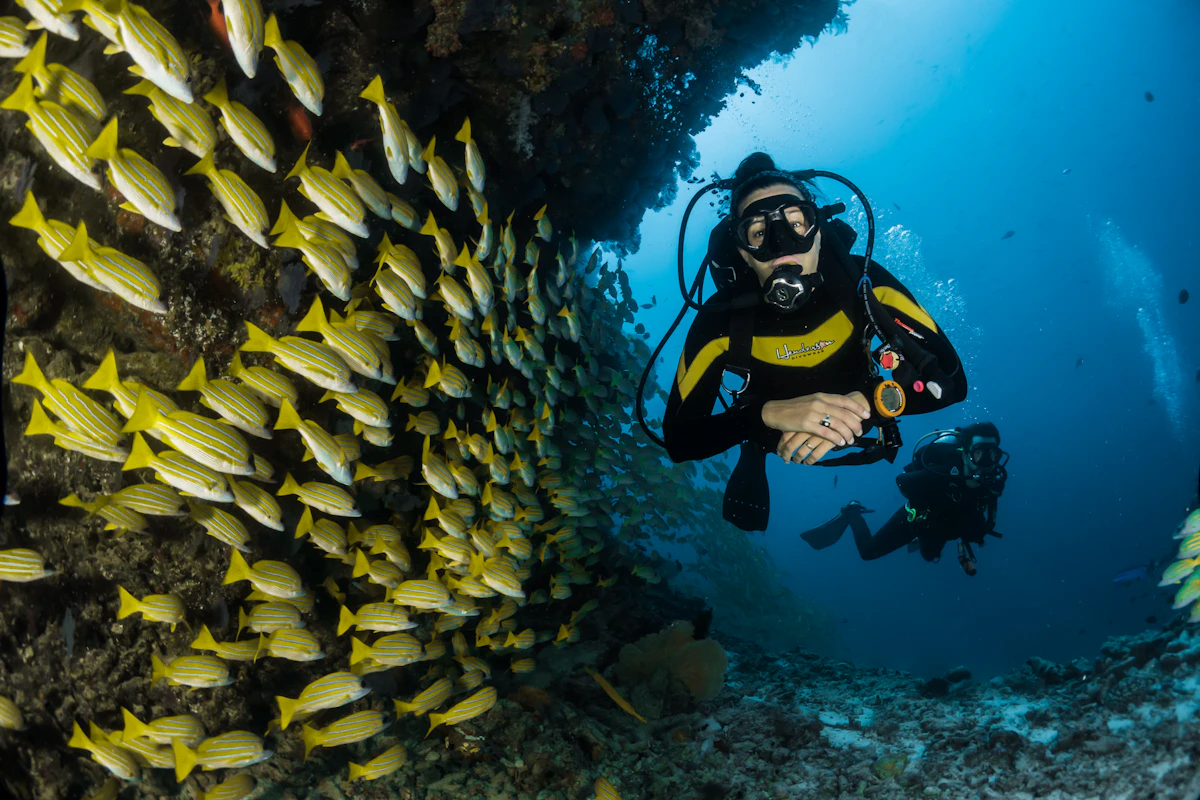 Credit: Unsplash
Palm trees framing a sunset shore
The water is bathtub-warm, shallow enough to wade out fifty feet and still touch bottom. No waves disturb the surface—the gulf here is sheltered, calm, more lake than ocean. You float on your back, watching frigates spiral overhead, and realize you can't hear a single engine, a single voice. Just the hiss of wavelets, the rustle of leaves, the occasional plop of a fish breaking the surface.
By noon, the heat is serious. You retreat to the shade of a beached log, where the sand is still damp and cool. A fisherman motors past, heading for deeper water, and raises a hand in greeting. You wave back. Hours pass. The sun shifts. You swim again, dry again, lose track of time in the way that only true isolation allows. When you finally leave, the beach erases your footprints with the tide.


