
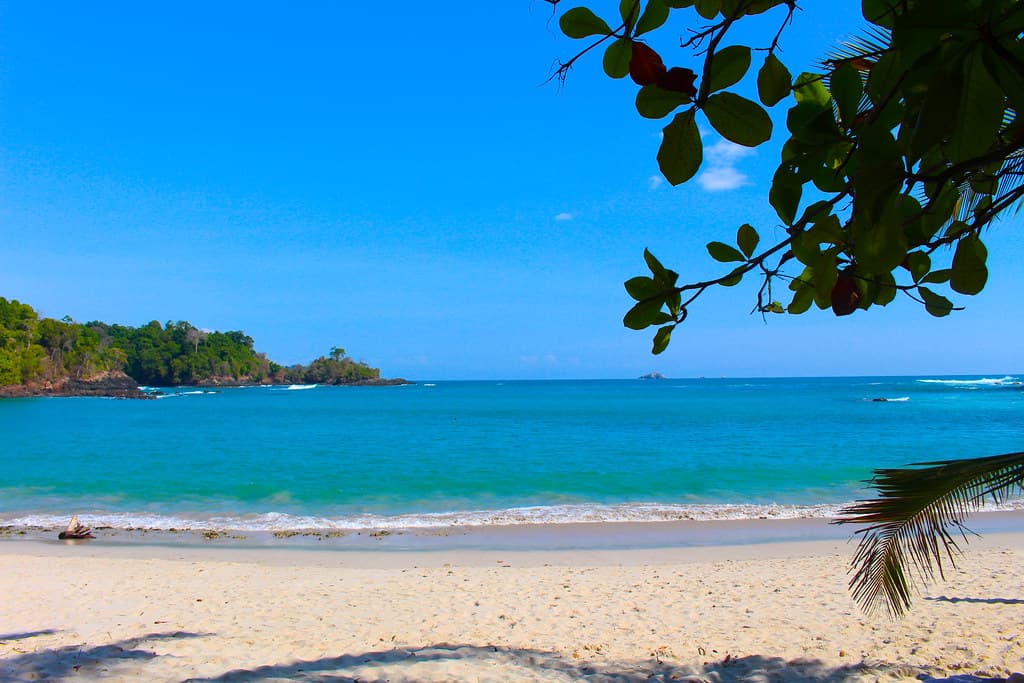
The crowds flow past on the main trail, funneling toward Espadilla Sur and Manuel Antonio beaches where the guidebooks send them. You'll spot the unsigned spur path—barely worn, easy to miss—that cuts through the forest and descends over volcanic rock still warm from the sun. Below, Playa Pará appears: a small horseshoe maybe forty meters across, backed by jungle so thick you can't see sky through the canopy.
“This overlooked cove sits inside Costa Rica's most-visited national park yet remains empty while nearby beaches overflow.”
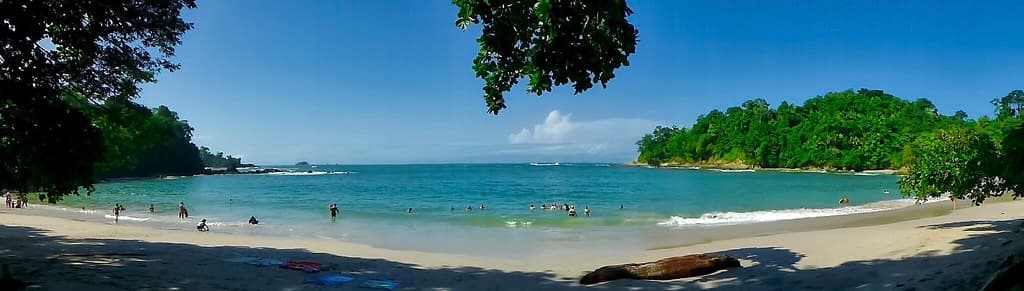 Credit: Flickr
Playa Pará — photo by krossbow
The sand here carries a golden tint, mixed with fine coral fragments that sparkle when wet. You'll drop your pack and scan the water—the cove's rocky arms extend underwater, creating natural channels where fish gather. Snorkelers occasionally work the edges, but most visitors never learn this beach exists. The waves arrive smaller here than on the exposed beaches, softened by the flanking headlands, though you'll still hear the larger sets rumbling against the outer rocks.
Settle beneath a beach almond and you'll notice the details: hermit crabs negotiating the driftwood, leaf-cutter ants marching up the trail behind you, the occasional rustle in the canopy that might be a sloth or iguana. The water temperature hovers near perfect—warm enough to enter without hesitation, cool enough to refresh. When you return to the main trail and rejoin the park crowds, Playa Pará will already feel like a secret you're reluctant to share.


