
The Ballena coast's reputation centers on the whale tail sandbar at Uvita, but Playa Tortuga operates in a quieter register. The beach here is wide and gently sloped, the sand a fine, tawny grain that squeaks underfoot when dry. Coconut palms lean at improbable angles, their fronds casting crisscross shadows that shift with the afternoon breeze. At the southern end, the Quebrada Tortuga cuts through the sand, creating a shallow estuary where herons stalk and children wade.
“The southern Ballena anchor where estuary and ocean meet, offering calm wading zones and authentic local beach culture away from Uvita's crowds.”
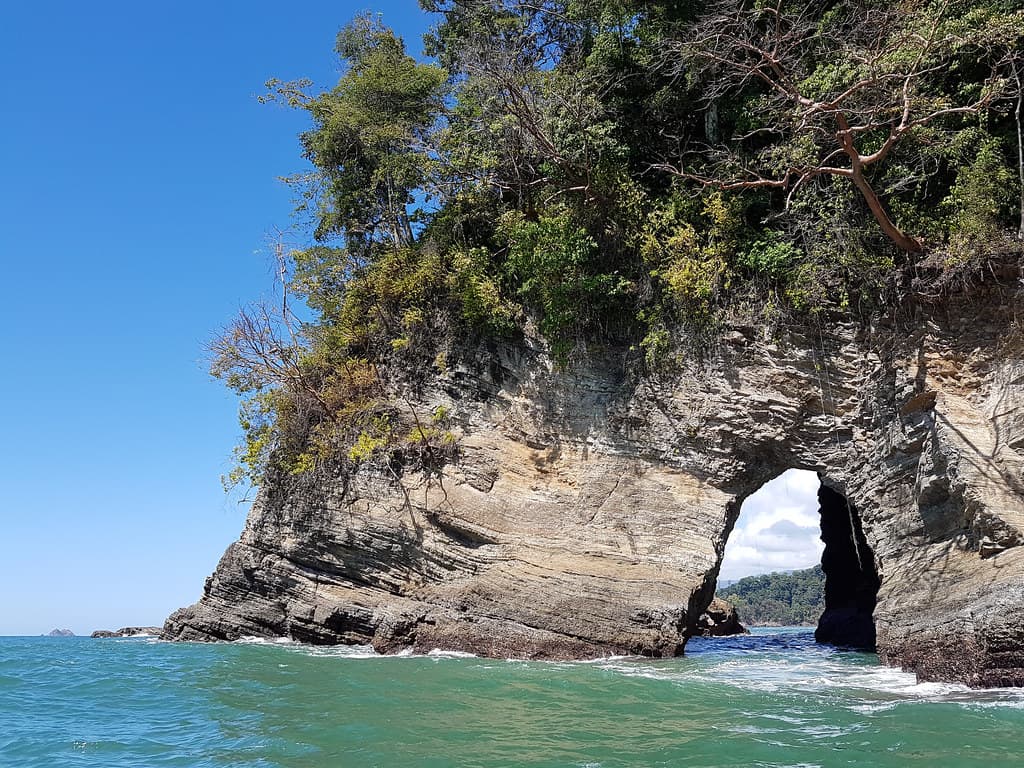 Credit: Flickr
Playa Tortuga — photo by Gho5tD0g
The waves here are mellow compared to the exposed breaks further north—long, lazy rollers that fold over sandbars with little aggression. On weekends, you'll see Costa Rican families camped under the palms, coolers wedged in the sand, music drifting from portable speakers. The vibe is resolutely local, and visitors who stumble upon Tortuga often feel like they've gatecrashed a neighborhood gathering, though nobody minds.
Sunset paints the Ballena range in shades of charcoal and amber, and the estuary mouth reflects the sky in still pools left by the outgoing tide. It's a beach that doesn't announce itself, doesn't vie for attention, and doesn't need to. Tortuga simply exists, offering exactly what it is—sand, shade, surf-softened by offshore reefs, and a coastline that hasn't yet learned to perform.


