

The scent of pine resin hangs heavy as you step from the campsite path onto warm, rounded stones. Straško unfurls along a kilometer of coastline, its pebble gradient fine enough that children wade in without wincing, coarse enough to keep the water gin-clear. Unlike the baking limestone platforms that dominate Pag's southern coast, this stretch benefits from a rare canopy—maritime pines planted decades ago now offer dappled refuge when the afternoon sun turns punishing.
“One of the rare Adriatic beaches where established pine forest meets full resort services without sacrificing the camping ethos that's defined this coast for generations.”
 Credit: Unsplash
Aerial view of turquoise tropical bay
Beach clubs anchor each end, their bass lines drifting across the bay in the late afternoon, but the center remains blissfully analog: families stake claims beneath rented umbrellas, and the smell of grilled fish wafts from the konoba tucked behind the tree line. The water deepens gradually, its turquoise darkening to cobalt a hundred meters out, where windsurfers carve long arcs toward Velebit's gray ramparts on the mainland horizon.
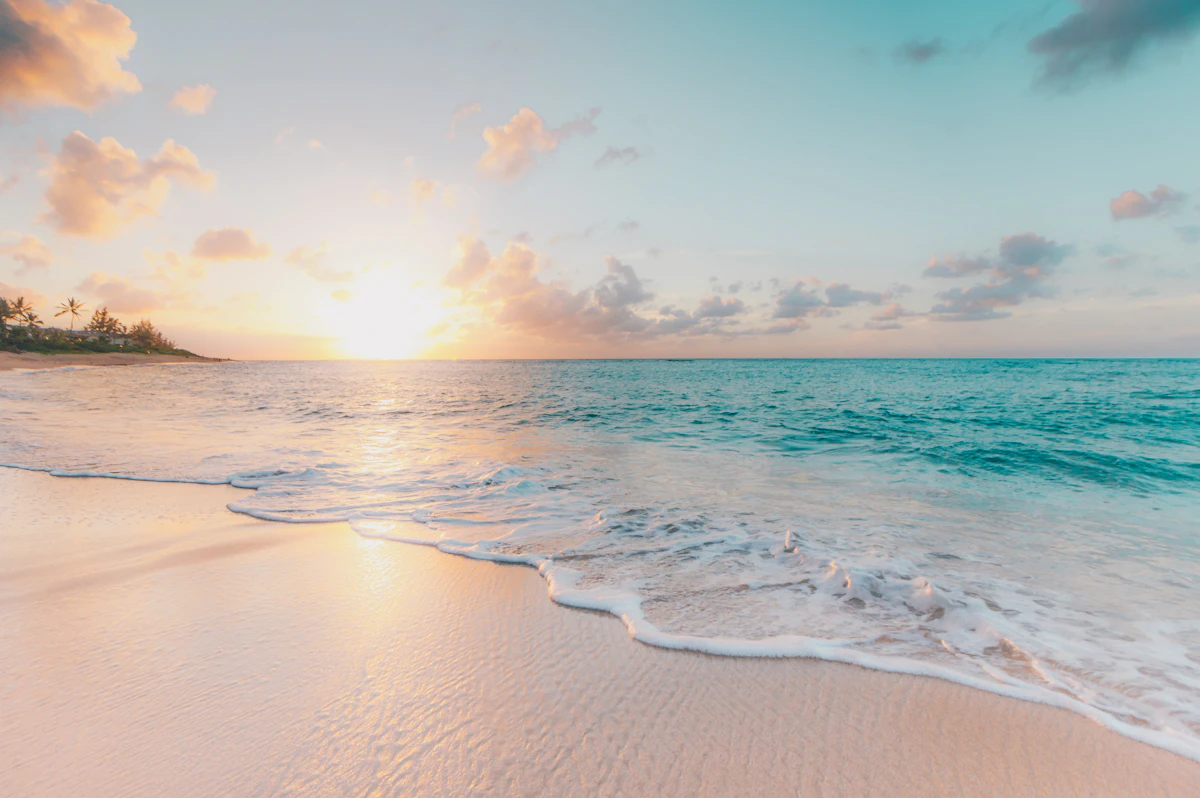
By evening, the campground's international crowd—German vans, Italian tents, Croatian families in their third week—gathers at the waterline. You'll hear four languages in as many minutes, all commenting on the same copper-rose sunset sinking behind Pag's barren hills. The showers here run hot, the Wi-Fi actually works, and yet you're still sleeping to the sound of waves sorting pebbles all night long.


