
Counting the waves…
Counting the waves…
A refined fusion of water purity, environmental stability, and communal vibrancy for Agios Filon Beach.
View MethodologyAnalyzed via live sensors and environmental data.
Wave height, wind, and atmospheric stability.
Live footfall and crowd balance metrics.
Community reviews and curated sentiment.
“Step onto the golden sands of Agios Filon Beach, where the turquoise Mediterranean laps at the feet of ancient monastery ruins. This scenic stretch on the Karpas Peninsula offers a unique journey through time, inviting…”
Limited recent visitor reports — live OBI telemetry is your best guide for current conditions.
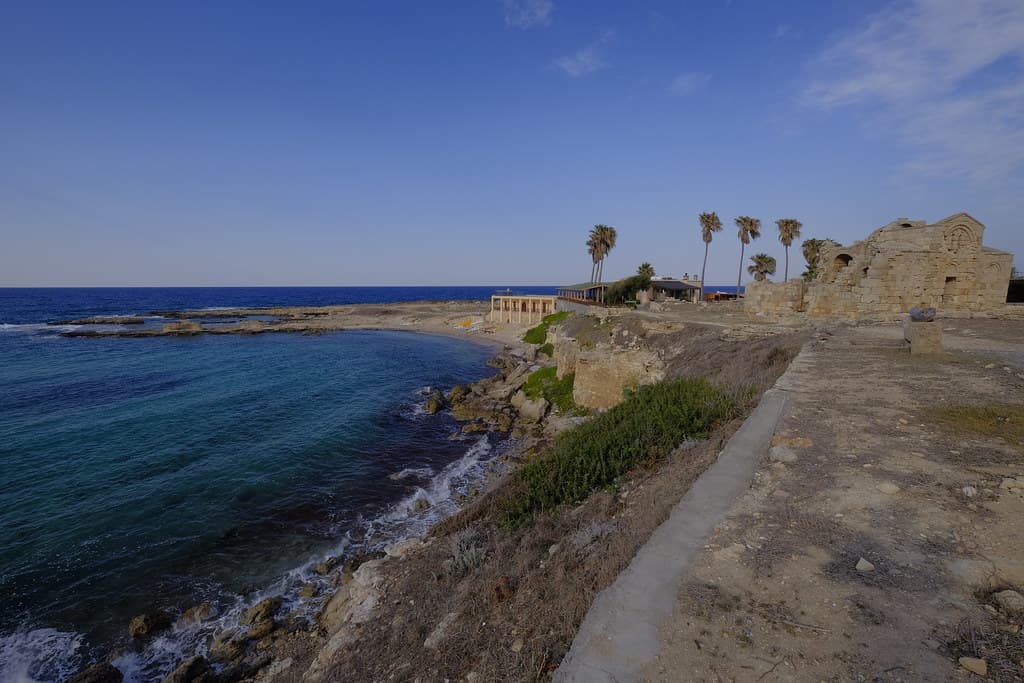
Agios Filon Beach, located on the wild and beautiful Karpas Peninsula, is a truly captivating destination where history meets the sea. Its golden sands are framed by the evocative ruins of the ancient Agios Filon Monastery, creating a dramatic and picturesque backdrop. Imagine swimming in the same azure waters that have witnessed centuries of human history, from Byzantine monks to modern-day explorers.
The beach itself is a scenic marvel, with clear, inviting waters perfect for swimming and snorkeling. The gentle slope of the sand into the sea makes it accessible and enjoyable. Beyond the immediate beach, the rugged coastline and sparse vegetation of the Karpas Peninsula offer opportunities for exploration and photography, capturing the raw beauty of this remote corner of Cyprus.
Clear, historic waters
Ancient monastery ruins
Scenic coastal history
Prime Visitation
Best Weather|Less Crowds
Where it is
Agios Filon Beach
Dipkarpaz, Iskele, Cyprus
35.607700°, 34.389800°
Weather
Loading…
Swell
—
Temp
Warm · Restorative
UV Index
Moderate
Wind
—
Tidal State
Last known
Max Sunlight
—
Ideal Shade
—
May - Sep (Peak)
Jan - Dec (Off-season)
Best Weather|Less Crowds
Select a category to load nearby places.
Unlock restaurants, luxury stays and curated maritime experiences within 2km
Agios Filon Beach is generally safe for swimming, with clear, calm waters typical of the Karpas Peninsula's protected bays. However, as this is a more remote, undeveloped beach, there are no lifeguards on duty. Swimmers should exercise caution, especially with children, and be aware of their own abilities. The sandy seabed and gradual slope make it suitable for most swimmers. Always check local conditions before entering the water and avoid swimming alone in this isolated location.
The ideal time to visit Agios Filon Beach is during spring (April-June) and autumn (September-October) when weather is pleasant and crowds are minimal. These periods offer warm temperatures perfect for swimming without the intense summer heat. The Karpas Peninsula remains relatively quiet year-round compared to western Cyprus. Summer (July-August) can be very hot and slightly busier. Winter visits are possible but cooler, with fewer services available in this remote area.
Reaching Agios Filon Beach requires traveling to the remote Karpas Peninsula, approximately 90-100 kilometers from Kyrenia or Famagusta. A rental car is essential as public transport doesn't serve this area. From Dipkarpaz village, follow signs toward the peninsula's tip; the beach is near the historic Agios Filon ruins. Roads are paved but narrow and winding in places. The journey takes 2-3 hours from major towns. Ensure your vehicle has sufficient fuel, as services are limited.
Agios Filon Beach area has very limited facilities. A small, simple restaurant occasionally operates near the beach during peak season, offering basic meals and refreshments. Accommodation options are sparse but improving, with a few small hotels and guesthouses in nearby Dipkarpaz village, about 10-15 kilometers away. The Karpas Peninsula is undeveloped, so visitors should bring supplies, water, and snacks. More substantial dining and lodging options are found in Dipkarpaz or further west in Bogaz.
Agios Filon Beach is notable for the adjacent ruins of an early Christian basilica and ancient harbor, dating from the 4th-5th centuries AD. The site was an important early Christian settlement and pilgrimage destination. Visible remains include basilica foundations, mosaic fragments, and harbor structures. This historic coastal setting combines natural beauty with archaeological interest, making it unique among Northern Cyprus beaches. The name honors Saint Philon, an early Christian figure associated with the site.
Photos