
Counting the waves…
Counting the waves…
A refined fusion of water purity, environmental stability, and communal vibrancy for Feddet Strand.
View MethodologyAnalyzed via live sensors and environmental data.
Wave height, wind, and atmospheric stability.
Live footfall and crowd balance metrics.
Community reviews and curated sentiment.
“Feddet Strand unfurls along Zealand's southern coast as a long finger of sand and marram grass, its campgrounds humming with canvas and laughter each summer. You'll walk for kilometers with only gulls overhead, the…”
Limited recent visitor reports — live OBI telemetry is your best guide for current conditions.
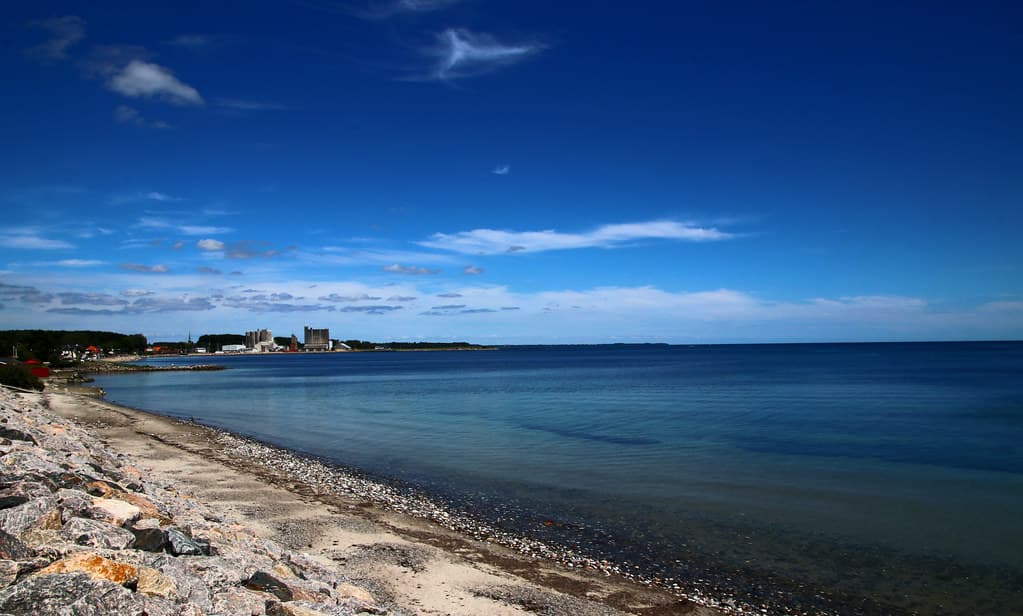
The shoreline at Feddet runs straight and unspoiled, a ribbon of pale sand that stretches so far you lose count of the beach cabins dotting the tree line. This is camping country—Danes arrive with coolers and folding chairs, staking canvas villages beneath Scots pines whose needles carpet the forest floor in rust and amber. The water stays shallow for dozens of meters, warm enough by July that children wade out until they're specks against the horizon.
Dunes build and shift with each autumn storm, their grassy crowns stitched with sea buckthorn that glows orange come September. Footpaths thread through the sand hills, leading to hidden pockets where you'll find driftwood sculptures and the occasional fox print. The beach faces southeast across Faxe Bay, so mornings arrive with soft light that turns the water pewter, while afternoons bring warmth that pulls sunbathers onto striped towels.
Wind through buckthorn and pine
Gradual bottom, warm by midsummer
Catch pewter water at sunrise
Prime Visitation
Best Weather|Less Crowds
Where it is
Feddet Strand
Faxe, Region Zealand, Denmark
55.147100°, 12.134800°
Weather
Loading…
Swell
—
Temp
Warm · Restorative
UV Index
Moderate
Wind
—
Tidal State
Last known
Max Sunlight
—
Ideal Shade
—
May - Sep (Peak)
Jan - Dec (Off-season)
Best Weather|Less Crowds
Select a category to load nearby places.
Unlock restaurants, luxury stays and curated maritime experiences within 2km
Feddet Strand is safe for swimming with typical Danish coastal conditions—shallow, gradually deepening waters along a sandy bottom. The beach faces Køge Bay, generally experiencing calm conditions suitable for families. However, this is a more natural, less developed beach than urban alternatives, meaning fewer immediate facilities and no regular lifeguard presence. Swimmers should exercise normal caution and supervise children closely. The exposed sand spit location can occasionally experience wind and currents. Water quality is good, monitored by Danish authorities. The natural dune environment requires care to avoid protected areas. The beach's length allows spreading out, reducing crowding even during popular camping periods.
Feddet Strand is best visited from June through August for swimming and sunbathing when temperatures reach 18-22°C and water is warmest. The attached campsite operates seasonally, typically May through September, with peak activity in July. For those seeking fewer crowds, early June or late August offer pleasant weather with more solitude. Spring and autumn are excellent for nature walks along the distinctive sand spit and through dune landscapes, with opportunities for birdwatching during migration periods. The beach's natural character means it rewards visits during quieter periods when you can appreciate the scenic coastal environment. Avoid stormy winter months when exposed conditions make the spit inhospitable.
Feddet Strand is located approximately 75 kilometers south of Copenhagen near Faxe. By car, take Route 54 south from Køge toward Faxe, then follow local signs to Feddet—total journey about 70-90 minutes from Copenhagen. Public transport is limited; take a train to Faxe Ladeplads, then taxi or bicycle the remaining 10-12 kilometers, as direct bus service is infrequent. Many visitors arrive by car given the beach's position on a remote sand spit. The access road leads to parking areas near the campsite and beach. Cycling is popular, with regional routes connecting to the area, though distances are substantial for casual cyclists.
Feddet Strand has basic facilities centered around the seasonal campsite, including restrooms, showers, and a small camp shop selling essentials and simple food items during summer months. A café or kiosk typically operates at the campsite in peak season. Given the natural setting, dining options are limited—visitors should bring picnic supplies or plan to eat in nearby Faxe Ladeplads or Faxe (both about 10 kilometers away). Accommodation is primarily camping, with tent and caravan sites available for reservation. Some holiday cottages exist in the broader area. The beach emphasizes natural experiences over commercial amenities, so come prepared with food, water, and supplies for a day visit.
Feddet Strand's defining feature is its location on a long, narrow sand spit extending into Køge Bay, creating a distinctive natural peninsula environment. The extensive dune systems and unspoiled coastal landscape offer a wilder beach experience compared to urban alternatives, attracting nature enthusiasts and families seeking authentic coastal camping. The combination of long sandy beaches, protected dune vegetation, and opportunities for extended shoreline walks sets it apart. Popular with campers, it embodies traditional Danish summer camping culture. The beach's length and natural setting provide space and scenery lacking at busier town beaches, making it ideal for those prioritizing nature and tranquility over convenience and facilities.