

You approach Skansehage through a neighborhood of timber summer cottages, their windows catching late-afternoon light as bicycles lean against weathered fences. The beach reveals itself gradually—first the scent of salt and sun-warmed seaweed, then the sight of families arranged on blankets, their windbreaks staked into sand that holds footprints until the next tide.
“The exceptionally shallow, warm bay creates a wading pool that extends hundreds of feet from shore.”
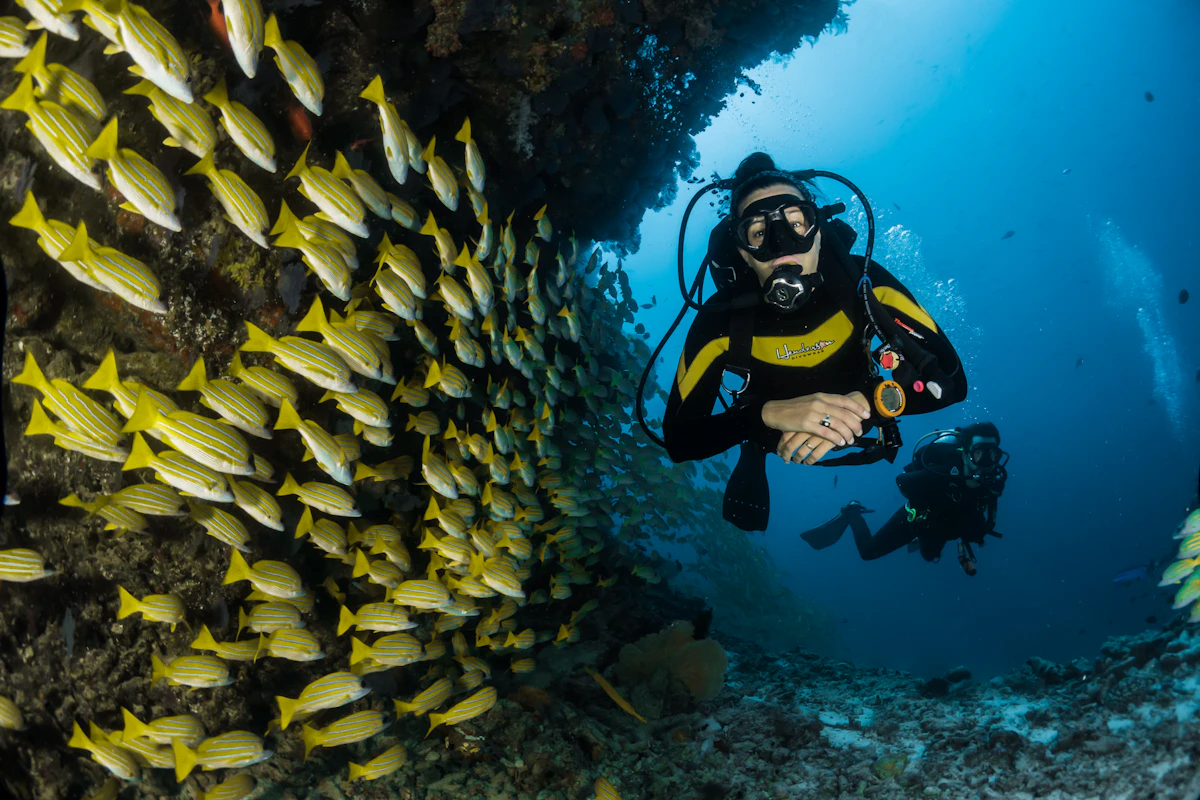 Credit: Unsplash
Palm trees framing a sunset shore
The water is calm here, sheltered by the bay's geography, and the bottom slopes so gently that you can walk far from shore and still feel pebbles under your toes. Locals arrive with coolers and folding chairs, settling in for hours. Small children crouch at the waterline, filling buckets with hermit crabs and bits of bladderwrack. A few sailboats tack across the horizon, white triangles against the blue.
As evening arrives, the beach empties except for couples walking the tideline and a handful of photographers waiting for the sun to drop toward Sejerø Island. The light turns amber, then rose, painting the wet sand and the faces of the remaining beachgoers. You notice how quiet it becomes—just the lap of small waves and the distant call of gulls heading inland to roost.


