

The bridges do the heavy lifting here—Storstrøm's swooping span and the older Masnedsund crossing bracket the shoreline, their concrete pillars rising from the strait like sentinels. You park along a residential street where bicycles lean against garden fences, then step onto sand so fine it squeaks underfoot. The water edges in gradually, ankle-deep for twenty meters, turning the shallows into a sundial of warmth by midday.
“One of the few Baltic beaches where you swim literally beneath the shadow of twin highway bridges connecting Denmark's islands.”
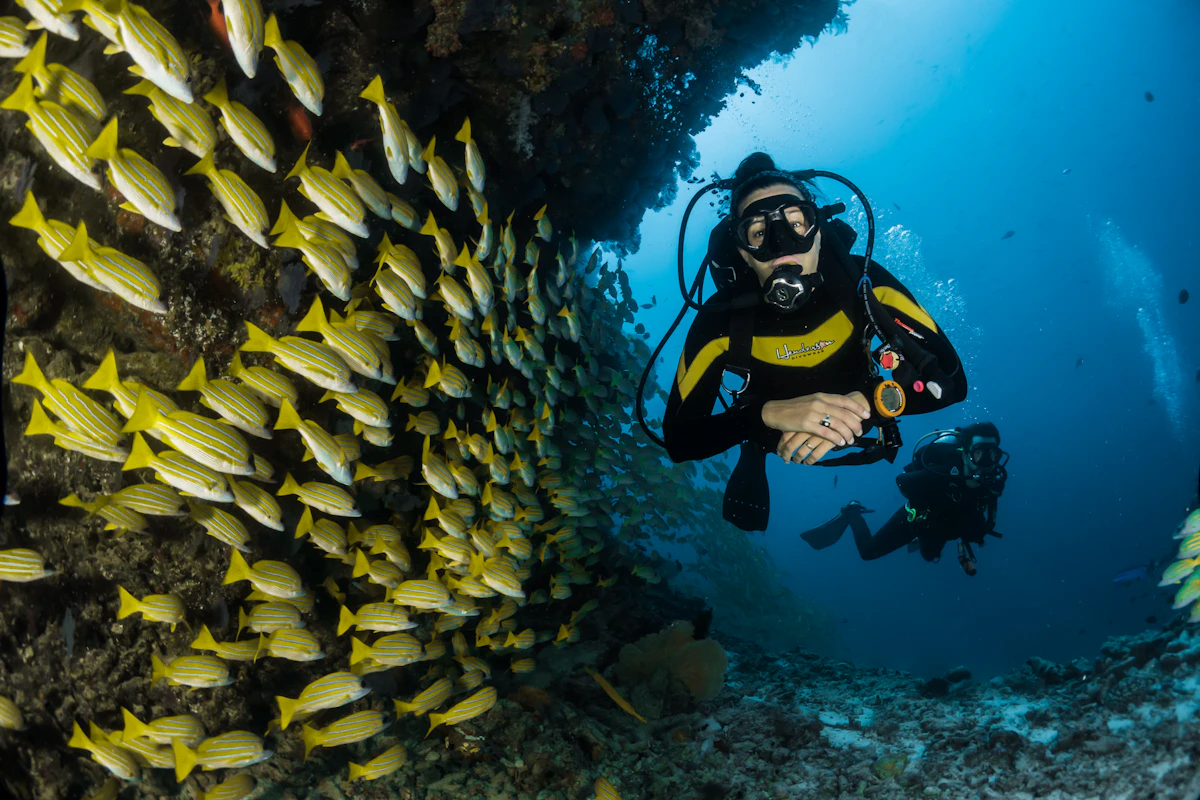 Credit: Unsplash
Palm trees framing a sunset shore
Local families claim their patches early on weekends, unfolding striped windbreaks and letting toddlers paddle in water that barely ripples. The beach lacks the postcard drama of Møn's cliffs or Skagen's dune ridges, but that anonymity is the point. You share the strand with Vordingborg residents who bike over after work, their wicker baskets loaded with rye bread and thermoses of coffee, content to watch ferries glide beneath the bridges in the long June twilight.
Beyond the swim zone, the coastline curves into a tangle of marsh grass where herons stalk the mudflats at low tide. The town's medieval Gåsetårnet tower rises a few kilometers inland, a brick reminder that this corner of Zealand once commanded the kingdom's southern trade routes. Now it commands only the attention of those willing to detour from the E47, trading convenience for a stretch of coast that still belongs to the people who live beside it.


