
The sand at Juvre Strand is so firm you can drive for what feels like a kilometre before the tide line appears as a distant shimmer. This is northern Rømø, where the beach stretches nine kilometres wide at low tide and the sky dominates everything. Unlike the more popular Lakolk to the south, you'll find scattered groups of kite-flyers and solitary walkers, not beach umbrellas. The wind here is a constant companion, carrying the cries of oystercatchers and the hiss of sand sliding across dunes.
“Juvre Strand offers Denmark's widest tidal flats with drive-on access and a fraction of the visitors who flock to neighbouring Lakolk.”
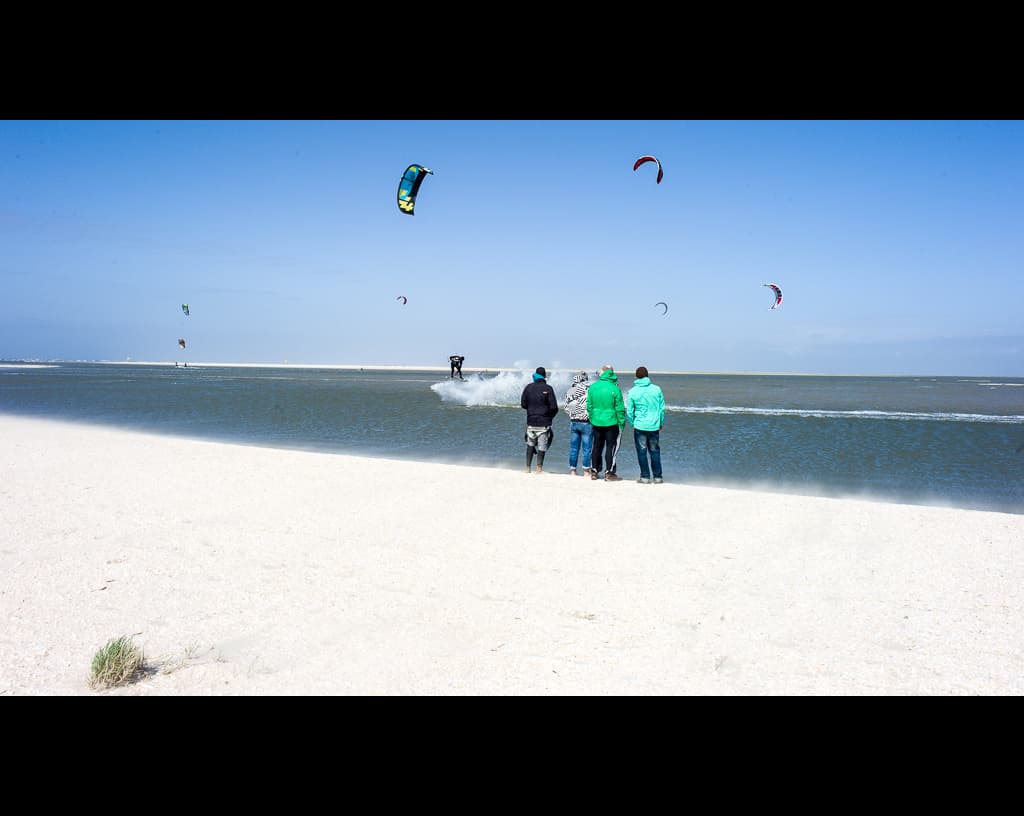 Credit: Flickr
Juvre Strand — photo by Mirko.Eggert
You park wherever the hard-packed surface allows—there are no painted lines, just the shared understanding that the sea gets priority. Families set up windbreaks near the dune edge while you walk seaward, boots squelching through ribbons of tidal pools that mirror the mackerel sky. The light changes every ten minutes, painting the sandbars gold, then pewter, then amber.
Come for the late afternoon, when the sun drops toward the German border and the entire strand glows. The tide retreats so far that wading birds appear as dark stitches along the waterline. In summer the beach stays light until nearly midnight; in autumn the storms arrive with theatrical drama, turning the whole expanse into a study in grey and silver. There's no boardwalk, no showers, no concession stand—just sand, wind, and the kind of space that makes you forget to check your phone.


