

The beach at Wailevu doesn't pretend to be anything but itself—a functional strip of sand where Labasa's rhythms play out against the Koro Sea. Wooden dinghies rest on their sides above the tide line, their hulls scarred from years of hauling in catches. The water here runs shallow for thirty meters, warming under the northern sun until it feels like bathwater against your shins. Children wade in school uniforms during lunch breaks, their laughter cutting through the afternoon heat.
“Labasa's only accessible coastal gathering place where Indo-Fijian and iTaukei communities share the same shoreline rituals.”
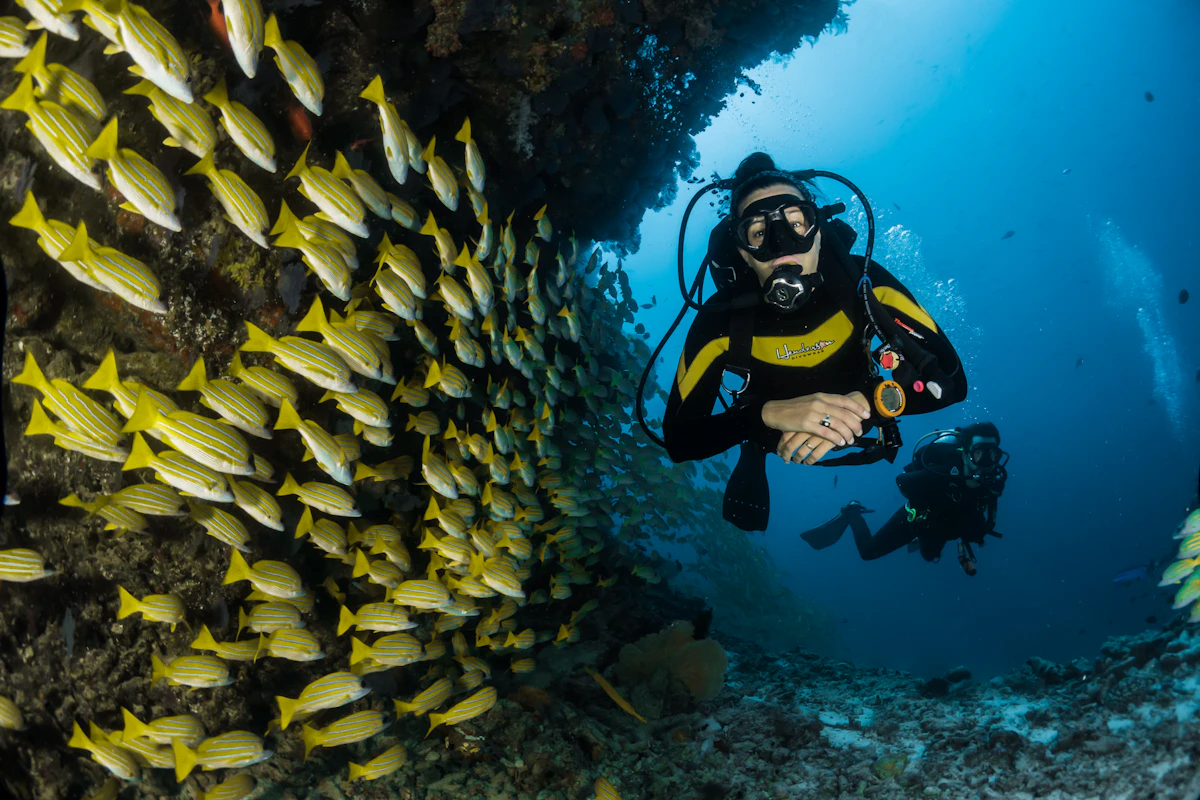 Credit: Unsplash
Palm trees framing a sunset shore
Palmyra palms lean at angles shaped by prevailing trade winds, their fronds rattling with each gust. The sand varies from beige to dark where river sediment washes down during rains, creating patterns that shift with each tide cycle. Local families claim their spots on weekends, erecting makeshift sunshades from tarps and driftwood.
Sunset transforms the workaday shore into something theatrical. The sky bleeds orange and magenta across the bay, silhouetting the cane railway bridge to the east. You'll hear Hindi and Fijian conversations blending with the slap of waves, smell curry leaves from someone's evening meal mixing with the brine. This is where Labasa exhales, where the town's sugarcane dust settles and the sea offers its daily baptism.


