

This beach reveals itself gradually, only after you've committed to the journey. You navigate past smallholdings where tethered goats browse hibiscus and women tend vegetable plots, then the track narrows between coastal scrub that scrapes your vehicle's paint. When you finally reach the shore, you find maybe a hundred metres of sand, bookended by basalt outcrops that date to when Viti Levu was still volcanically restless.
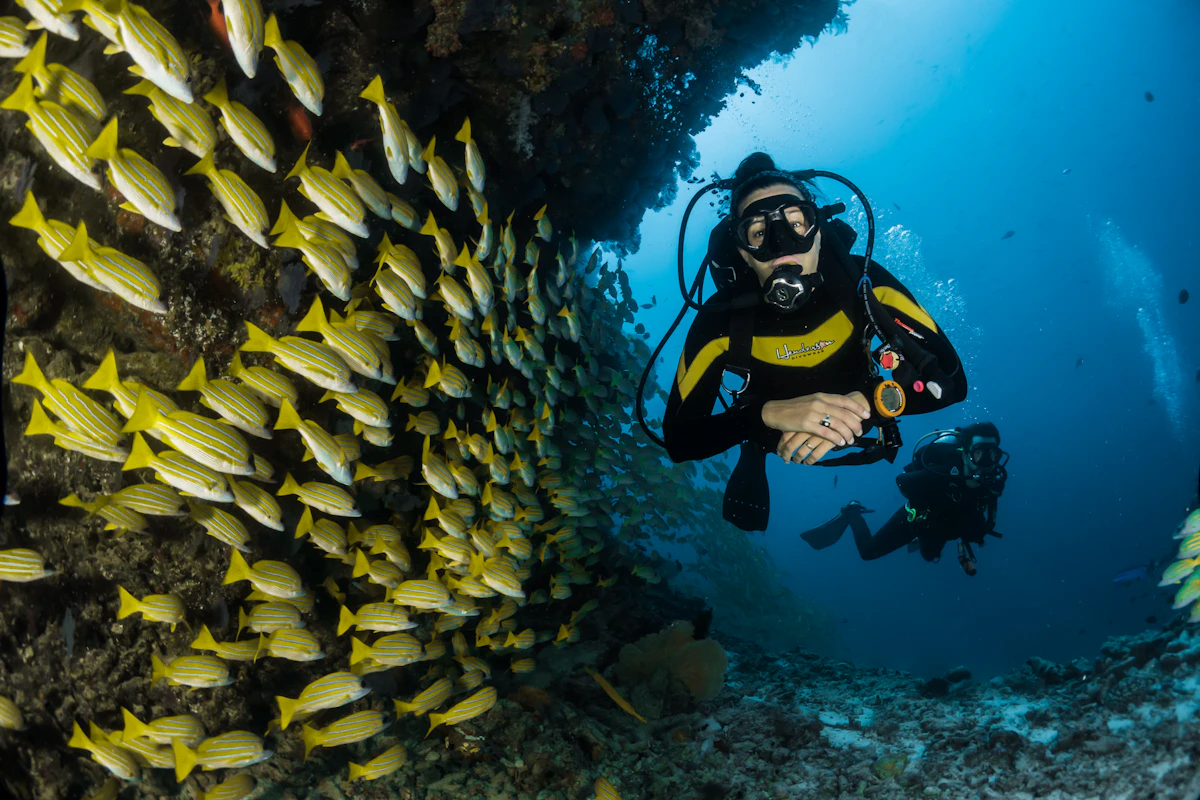
“The immediate proximity of reef to shoreline creates an unusually intimate encounter with coral ecosystems, no boat required.”
 Credit: Unsplash
Palm trees framing a sunset shore
The reef system here nearly touches the beach, leaving just a sliver of lagoon at high tide. During the ebb, you can walk across exposed coral platforms, stepping over tide pools where damselfish dart between anemones and cowries cluster in the shadows. The water in the remaining channels runs so clear you count pebbles on the bottom from waist depth. Local families arrive on Saturdays with ice chests and portable radios, staking their usual spots with the ease of long habit.
The isolation—true isolation, not the manufactured variety resorts advertise—defines everything here. You might see three other people all afternoon, or none. The silence between wave sets lets you hear individual leaves moving in the breeze, the distant lowing of cattle, your own breathing. By the time you retrace those rough tracks toward Korovou, sand in your shoes and salt in your hair, you've experienced a beach that exists purely for local use, tolerating visitors but never courting them.


