

The island reveals itself as your boat slows: a tight oval of sand fringed with palms, ringed by water so saturated with blue it looks digitally enhanced. You step off onto a beach barely wider than a volleyball court, already dotted with sarongs and snorkel gear and bodies browning in the equatorial sun. Music drifts from the bar, a loose reggae beat mixing with laughter and the slap of waves on the breakwater.
“You can circle the entire island on foot faster than it takes to finish a beer, yet the social energy stretches time.”
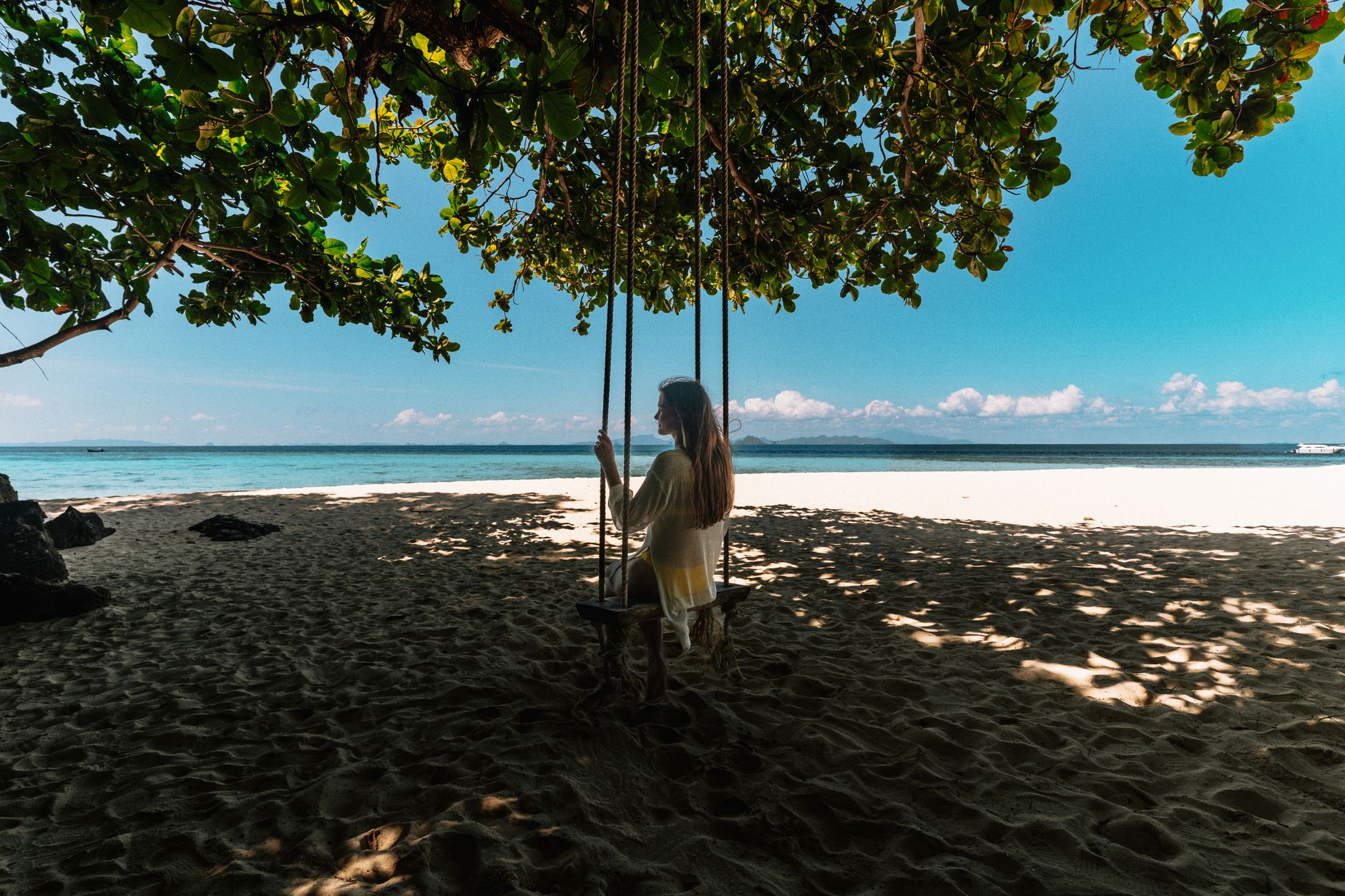 Credit: Pexels
Beachcomber Island Beach — photo by Siarhei Nester
By day, Beachcomber operates as a social hub. Travelers sprawl under thatch umbrellas, comparing island routes and visa strategies. The snorkeling is decent—reef fish flutter around coral heads just beyond the swimming zone—but most people come for the vibe, not the marine biology. You'll share the sand with German gap-year students, Australian couples on long weekends, Kiwi surfers between swells. The bar serves cold Fiji Bitter in sweating bottles, and the beach volleyball net sees constant rotation.
Sunset triggers a shift. The day-trippers motor back to Viti Levu, and the overnight crowd claims the beach for bonfire gatherings and impromptu guitar sessions. The sky drains through shades of tangerine and plum, the water going flat and glossy as poured resin. Someone passes around a bottle of rum, and the island shrinks to firelight and silhouettes, the kind of night that makes strangers feel like co-conspirators.


