
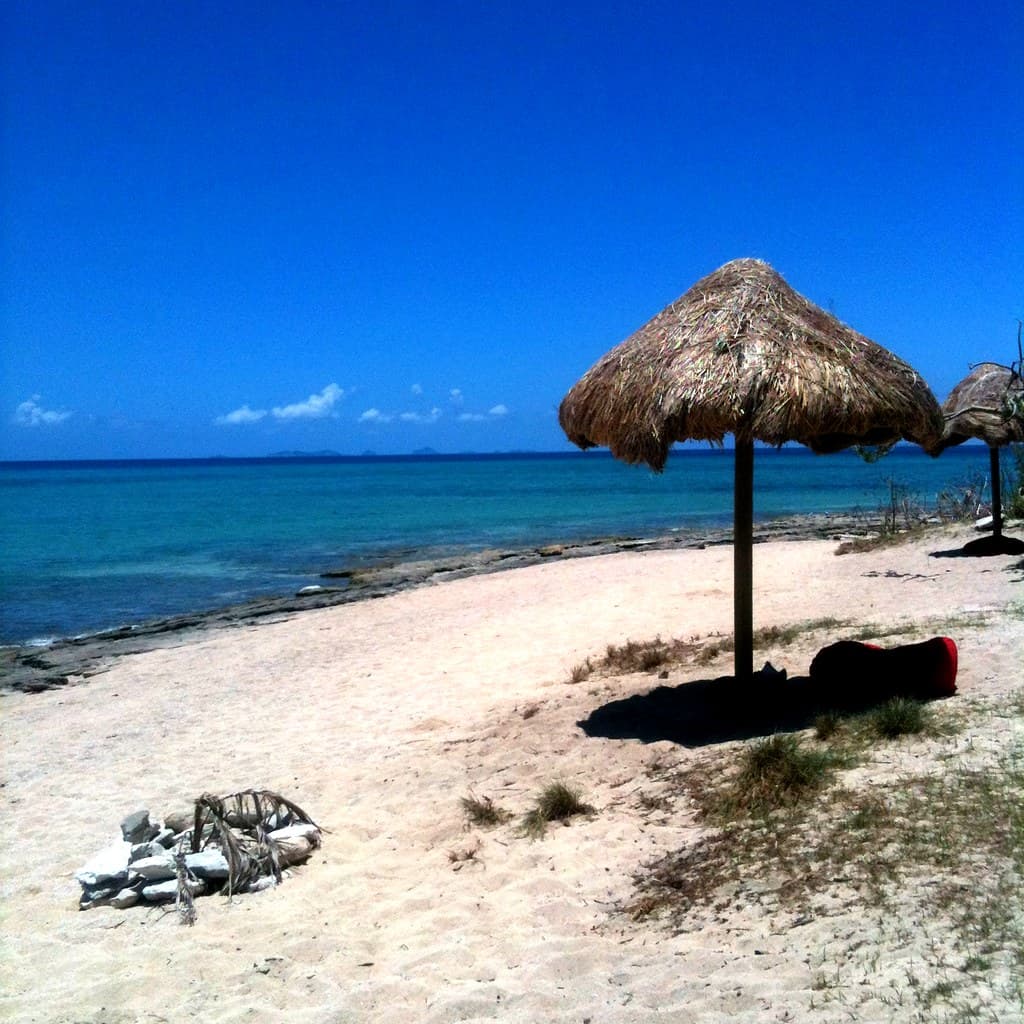
You'll smell the island before you see it—salt, sun-warmed vegetation, the faint diesel tang trailing your boat's wake. Bekana sits far enough offshore that the rumble of Viti Levu's Kings Road fades to nothing, replaced by the slap of wavelets against volcanic rock and the scratch of hermit crabs dragging borrowed shells across compacted sand. The beach narrows at high tide, widening into a sixty-meter crescent when the water pulls back to expose tide pools thick with sea cucumbers and the occasional octopus flexing between stones.
“One of the few Lautoka-accessed islands where you'll encounter working fishermen rather than resort infrastructure.”
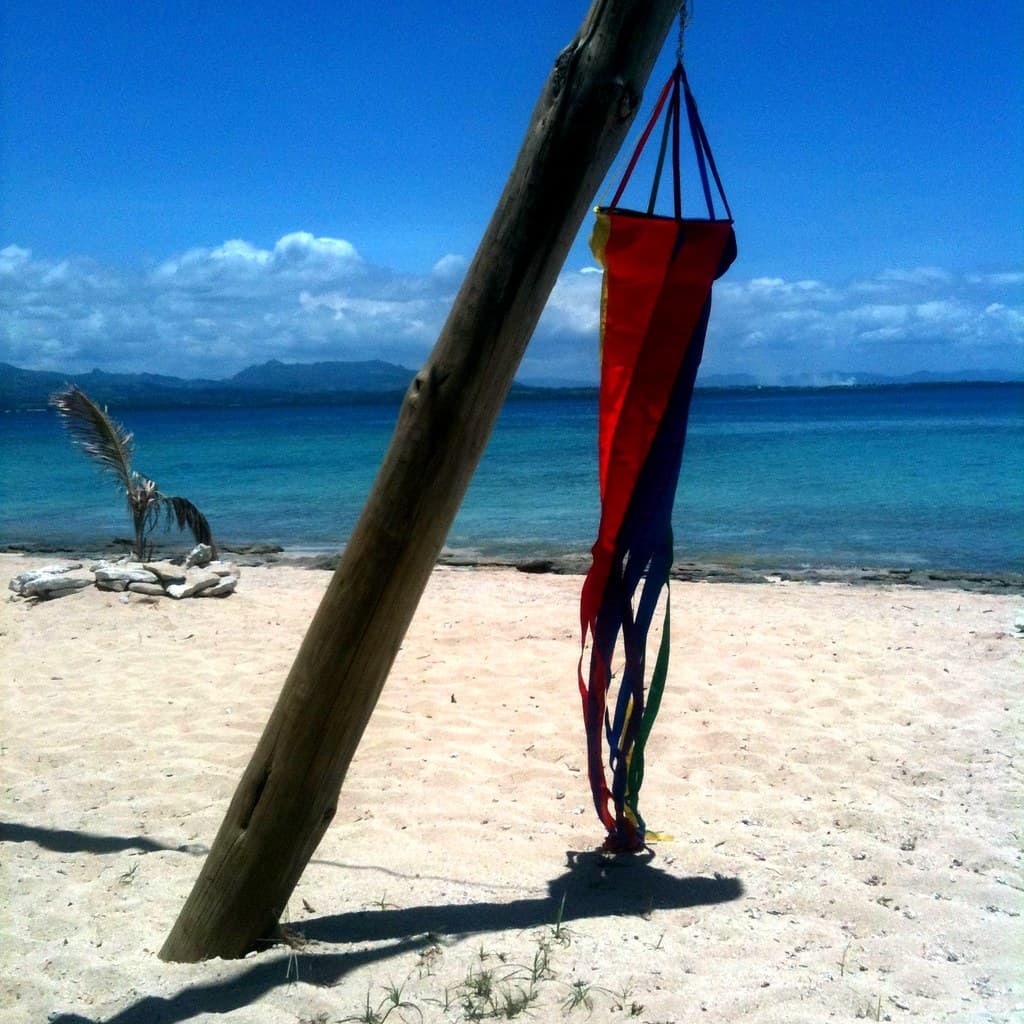 Credit: Flickr
Bekana Island Beach — photo by James Dennes
No resorts stake this shore. Local families arrive on Sundays with esky coolers and cassava, stringing tarps between coconut palms whose trunks lean seaward at improbable angles. The water here holds the milky jade common to western Fiji's fringing reefs—not the electric blues of postcards, but a working ocean where visibility shifts with the tide and sediment from Viti Levu's rivers mingles with coral rubble. Snorkeling the drop-off thirty meters out, you'll drift over brain corals the size of wheelbarrows and schools of yellowtail fusiliers that move like single organisms.
Sunset paints the Mamanuca Islands in silhouette, each ridge turning plum then charcoal as the light drains west. You'll hear the boatman's outboard cough to life before full dark, the signal that it's time to leave this ordinary miracle to the night herons and whatever else claims the island when humans aren't watching.


