
The ferry from Brändö church village threads through a maze of skerries for ninety minutes, past islands named for sea charts and shipwrecks, before Jurmo's low silhouette appears on the horizon. You step onto a floating dock where no cars wait—because none exist here. The settlement is a handful of red ochre cottages clustered around a miniature harbor; the beach lies a ten-minute walk south, beyond sheep pastures fenced with driftwood.
“This is Finland's most remote inhabited island with a sandy beach, reachable only by a ferry that runs twice daily in summer.”
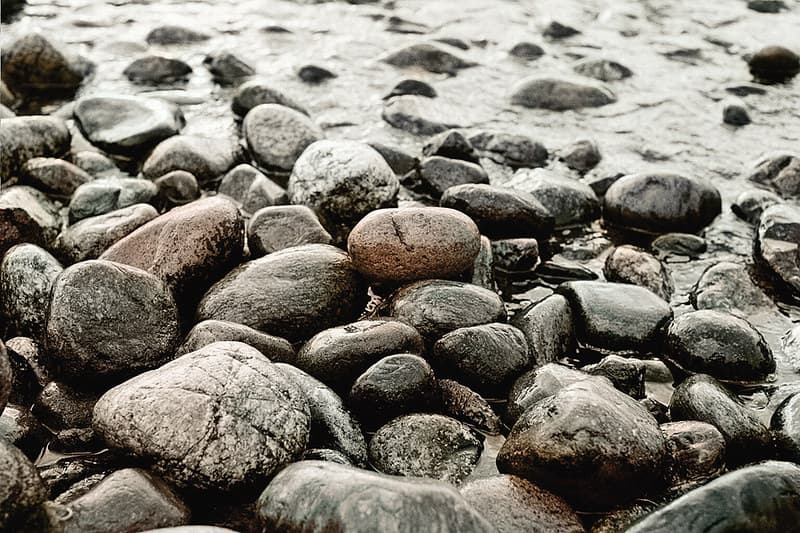 Credit: Flickr
Shore (Out On The Sea 8)
The shoreline stretches nearly a kilometer, backed by wild roses and juniper that bow eastward, shaped by unbroken winds off the Baltic. In June, the sun barely sets, casting amber light across wet sand at midnight. You wade into water that never warms past sixteen degrees, its cold a sharp reminder that this sea connects to the Arctic. Oystercatchers nest in the marram grass; if you arrive in May or early June, their piping calls punctuate the wash of waves.
Bring provisions from Brändö or even Mariehamn—Jurmo has no shop, only a small summer café that keeps irregular hours. The island's thirty-some summer residents know the ferry schedule by heart. You will too, after one visit: the rhythm of arrival and departure defines time here, and missing the last boat means spending an unplanned night under the endless Baltic twilight.


