Counting the waves…
Counting the waves…
A refined fusion of water purity, environmental stability, and communal vibrancy for Hellsö Beach.
View MethodologyAnalyzed via live sensors and environmental data.
Wave height, wind, and atmospheric stability.
Live footfall and crowd balance metrics.
Community reviews and curated sentiment.
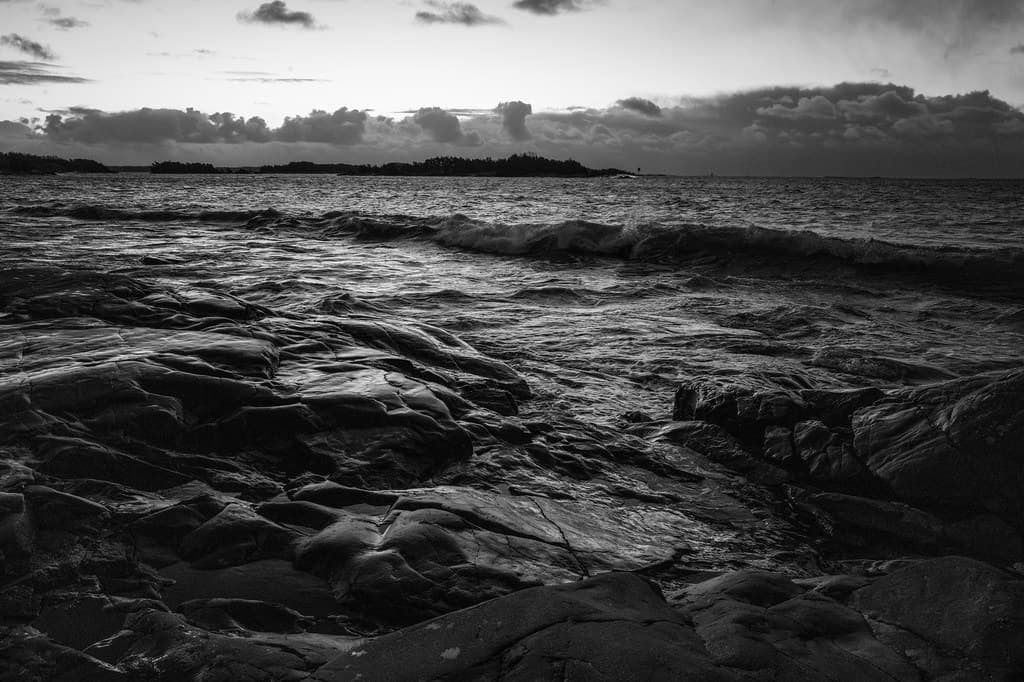
“Hellsö Beach isn't sand—it's Precambrian bedrock smoothed by ten thousand winters, lapped by cold Baltic currents and ringed by low juniper. You'll share this remote corner of Åland's outer archipelago with eider ducks,…”
Limited recent visitor reports — live OBI telemetry is your best guide for current conditions.
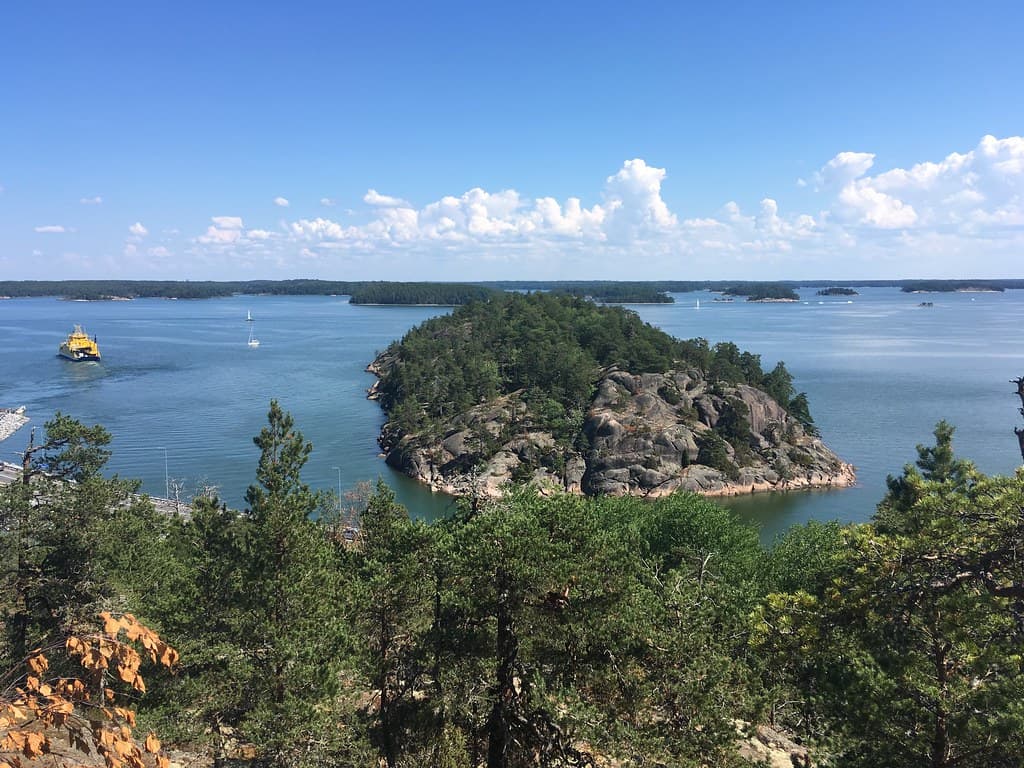
You reach Hellsö after a ferry hop from the Åland mainland to Kökar, then a drive along narrow gravel lanes bordered by stone walls and wind-stunted pines. The beach reveals itself not as a ribbon of sand but as broad shelves of granite tilting into the sea, their surfaces pocked and polished by centuries of ice and wave. Juniper bushes cling to crevices; the air smells of salt, wet stone, and wild thyme.
The water is bracing even in July—fifteen degrees Celsius if you're lucky—but locals wade in without hesitation, letting the shock sharpen their senses. You'll find natural tidal pools warmed by afternoon sun, perfect for a less punishing dip. Bring shoes with grip; the rock can be slick with algae near the waterline, and the uneven surface rewards careful footing.
Golden hour on ancient bedrock
Warmed shallows between stone shelves
Juniper trails along rocky shoreline
Prime Visitation
Best Weather|Less Crowds
Where it is
Hellsö Beach
Kökar, Åland, Finland
59.919400°, 20.872800°
Weather
Loading…
Swell
—
Temp
Warm · Restorative
UV Index
Moderate
Wind
—
Tidal State
Last known
Max Sunlight
—
Ideal Shade
—
May - Sep (Peak)
Jan - Dec (Off-season)
Best Weather|Less Crowds
Select a category to load nearby places.
Unlock restaurants, luxury stays and curated maritime experiences within 2km
Swimming at Hellsö Beach requires caution due to its rocky terrain and exposed outer-archipelago location. The rocky shoreline means no sandy entry points, and underwater rocks can be slippery. Water temperatures in the Baltic Sea remain cool even in summer, typically 15-18°C. Currents can be stronger here than in sheltered areas, and weather conditions change quickly in this remote setting. Always check local weather forecasts before swimming. There are no lifeguards on duty, so swim at your own risk and never alone.
The best time to visit Hellsö Beach is from June through August when temperatures are warmest and daylight extends well into the evening, perfect for sunset viewing. July offers the most reliable weather, though visitor numbers remain low given its remote location. Late August and early September provide excellent conditions with fewer crowds and dramatic light for photography. Avoid winter months when ferry services may be limited and weather can be harsh. Spring (May-early June) offers solitude but cooler temperatures and unpredictable conditions.
Reaching Hellsö Beach requires planning, as Kökar is one of Åland's most remote islands. Take a ferry from mainland Åland to Kökar (operated by Ålandstrafiken), with journeys taking several hours. Once on Kökar, you'll need a car, bicycle, or local transport to reach Hellsö. Parking availability depends on the specific access point, but expect basic roadside parking rather than formal facilities. The journey involves navigating small roads through the outer archipelago, so allow plenty of time and check ferry schedules carefully for return trips.
Kökar has limited but authentic dining and lodging options concentrated in the main village rather than near Hellsö Beach itself. You'll find a small grocery store, guesthouse, and occasionally a café or restaurant operating during summer months. It's essential to book accommodation well in advance and bring supplies, as options are scarce. Many visitors stay in rental cottages scattered across the island. The nearest services are typically several kilometers from Hellsö Beach, so pack food, water, and essentials before heading out for the day.
Hellsö Beach's location in the outer archipelago provides unobstructed western views across the Baltic Sea, creating spectacular sunset conditions. The rocky foreground and scattered skerries add dramatic silhouettes as the sun descends. During summer months, the extended twilight period offers golden and blue hour photography opportunities lasting well past 10 PM. The remote setting means minimal light pollution and often complete solitude. The rugged, untouched landscape combined with the vast seascape creates an authentic archipelago atmosphere that's increasingly rare in more accessible locations.
Photos