
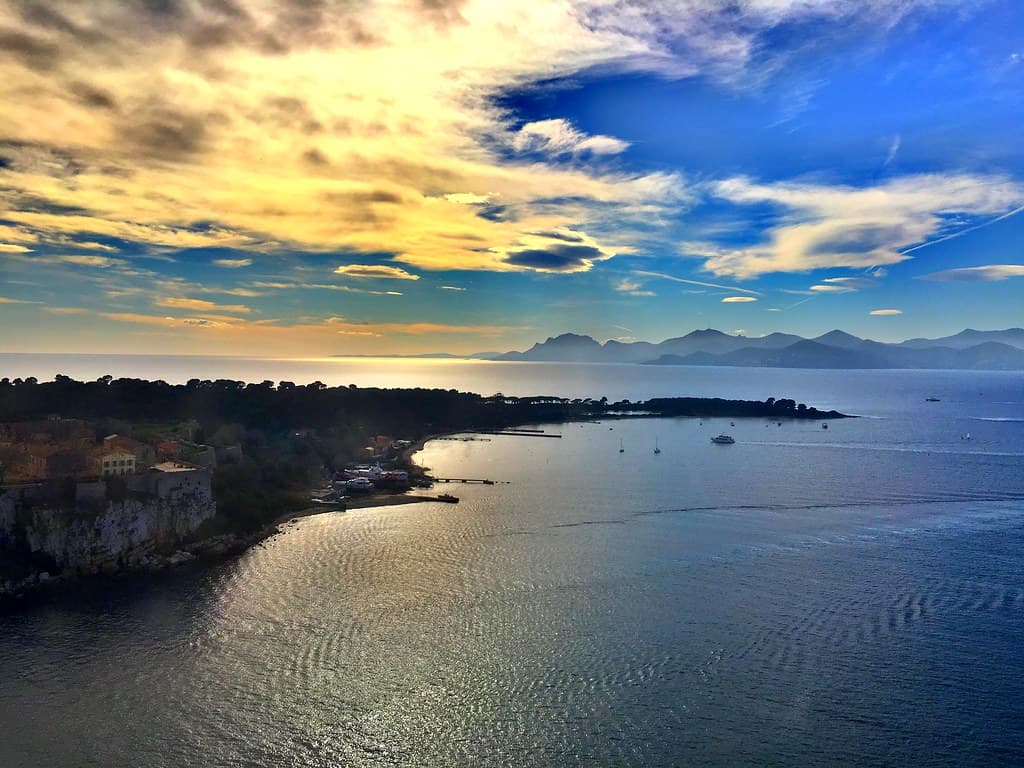
The path down is narrow, a ribbon of packed earth threading between villa walls and wild rosemary that releases its fragrance when you brush past. At the bottom, the rocks form natural terraces—some barely knee-high above the waterline, others large enough to spread a towel and a picnic of tapenade and local tomatoes. You'll hear the rhythmic slap of small waves against stone, punctuated by the occasional cry of gulls wheeling overhead.
“One of Cap d'Antibes' last accessible rocky coves where locals still outnumber tourists on summer afternoons.”
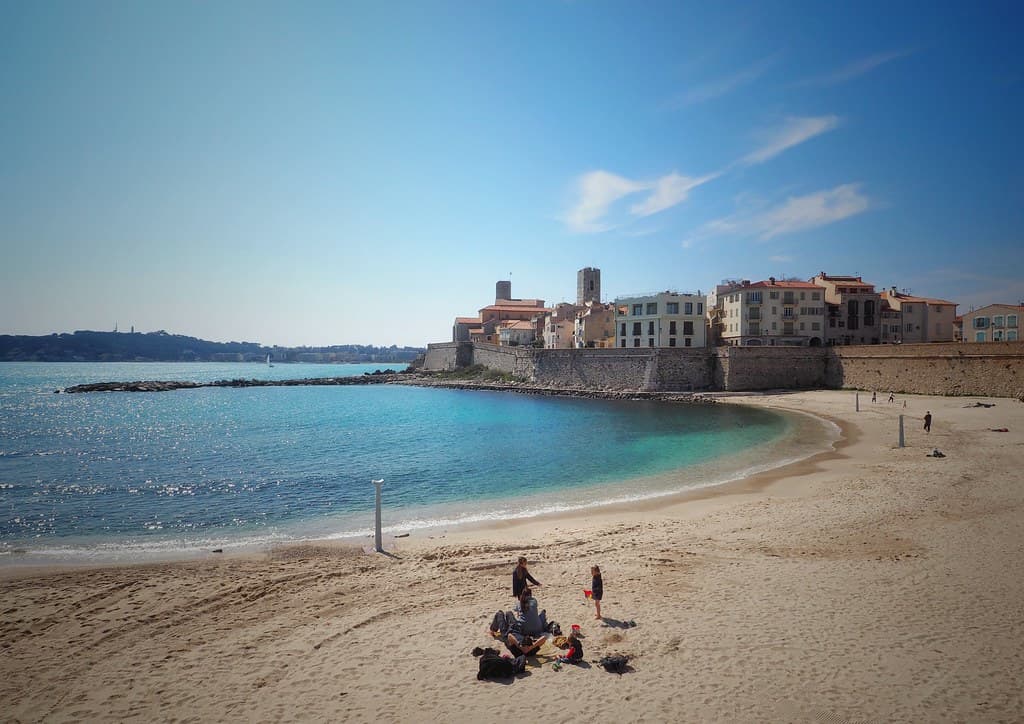 Credit: Flickr
Plage de l'Argent Faux — photo by stjur
The seabed reveals itself in bands: blonde sand close to shore, then dark sea grass waving like wheat, then the deeper channels where damselfish dart between submerged boulders. You can wade out in water that stays warm until October, your feet finding purchase on algae-slicked rock. Snorkelers glide face-down, arms outstretched, following the contours of the coastline where the Cap's famous villas cling to cliffsides.
By late afternoon, the sun angles westward, throwing the pines into silhouette and turning the rocks amber. A handful of locals arrive with mask and fins, greeting each other by first name. They know the tides here, the hidden ledges where octopus hide, the exact spot where the afternoon light turns the shallows incandescent. You'll leave with salt-stiff hair and the sense of having stumbled onto something meant to stay quiet.


