
Walk west from Cannes's Croisette palaces and the beach sheds its tuxedo. Plage de la Bocca stretches nearly two kilometers along the La Bocca quarter, a blue-collar enclave where laundry flutters from apartment balconies and the scent of socca drifts from corner bakeries. The sand here is coarser than its famous neighbor, flecked with shell fragments, and the water stays shallow for thirty meters—perfect for toddlers chasing foam while their grandparents doze under striped parasols rented for a fraction of what you'd pay a kilometer east.
“The Riviera's most accessible antidote to Cannes excess, where working-class Cannois claim their birthright to the sea.”
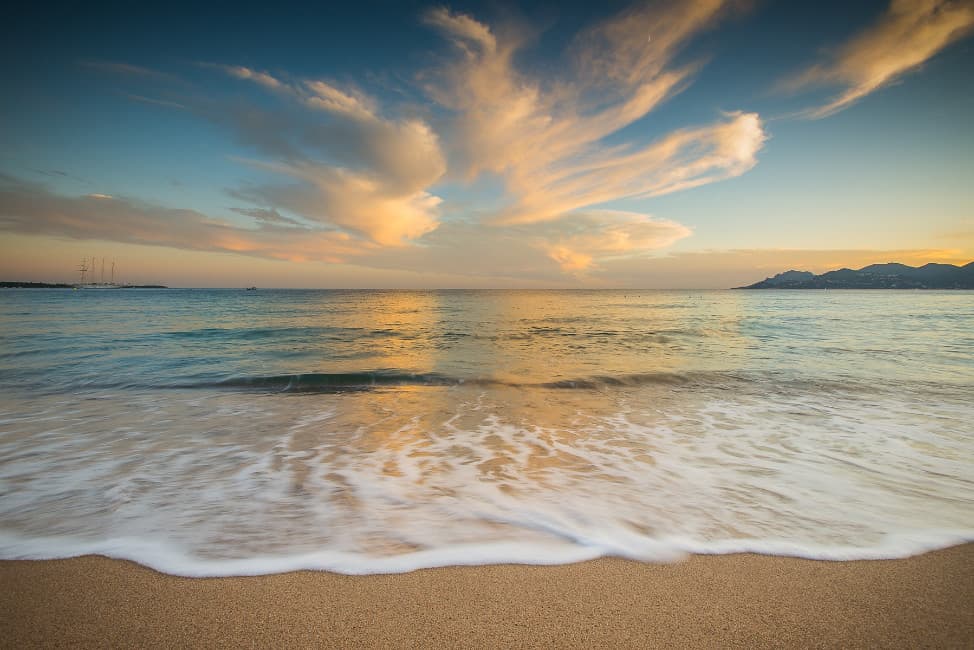 Credit: Flickr
Plage de la Bocca — photo by Julien Sanine
Public access points punctuate the entire strand, each marked by weathered wooden signs and coin-operated showers that actually work. Between the free sections, modest beach clubs offer sunbeds without the velvet-rope attitude, and by late afternoon the volleyball nets fill with teenagers whose shouts mix with the clatter of pétanque balls from the beachfront boulodrome. Joggers and dog-walkers claim the promenade at dusk, when the sinking sun turns the Estérel massif the color of burnt sienna.
This is Cannes stripped of pretense, a place where you'll overhear more French than Russian, where the ice cream costs three euros, and where the only dress code is sunscreen. The train station sits ten minutes inland, making it absurdly easy to drop your backpack and be wading by lunchtime.


