Counting the waves…
Counting the waves…
A refined fusion of water purity, environmental stability, and communal vibrancy for Plage de Ver-sur-Mer.
View MethodologyAnalyzed via live sensors and environmental data.
Wave height, wind, and atmospheric stability.
Live footfall and crowd balance metrics.
Community reviews and curated sentiment.
“Low tide at Ver-sur-Mer peels back four hundred meters of ribbed sand, exposing mussel beds and tidepools while oyster tractors rumble toward the waterline. Between Gold Beach's crowds and Courseulles' marina bustle,…”
Limited recent visitor reports — live OBI telemetry is your best guide for current conditions.
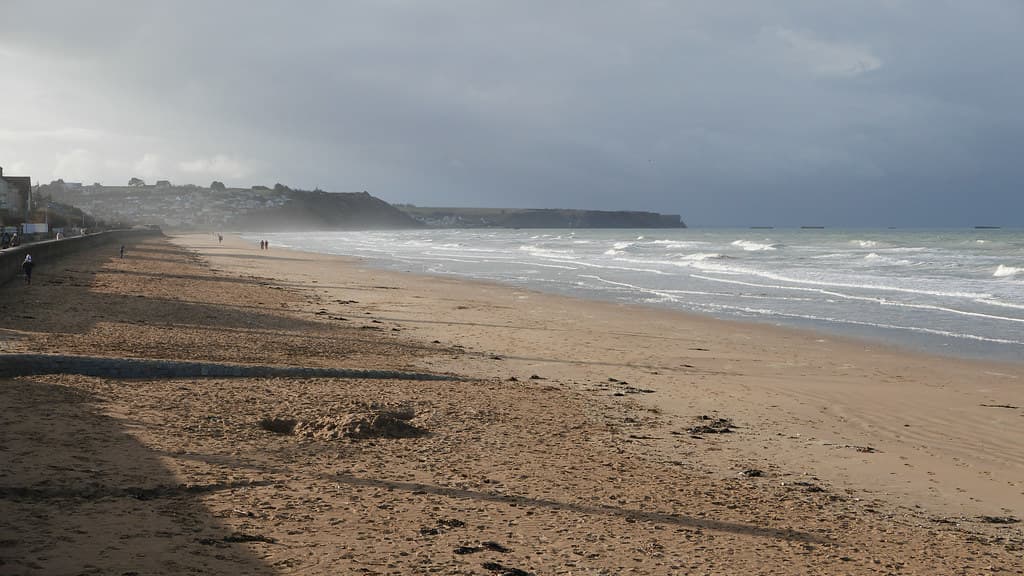
You reach the sand down a sloped ramp flanked by modest beach houses, their shutters faded to the exact blue-grey of a Channel morning. The strand stretches east and west in a gentle crescent, backed by a low seawall and the occasional pillbox half-buried in marram grass—relics of June 1944 now colonized by blackberry vines. At high tide the sea laps the concrete; six hours later you'll walk a quarter-mile over hard-packed sand ribbed like corduroy, dodging stranded kelp and the odd razor clam.
Verrois families stake out the same spots each August, unfolding striped windbreaks and Coleman stoves for afternoon moules-frites. The beach lacks umbrellas-for-hire or loudspeaker announcements; instead, gulls and the diesel chug of oyster boats provide the soundtrack. To the west, the spire of Asnelles church marks the edge of the bay; eastward, Courseulles' port cranes shimmer in the haze.
 Credit: Unsplash
ocean at daytime
 Credit: Unsplash
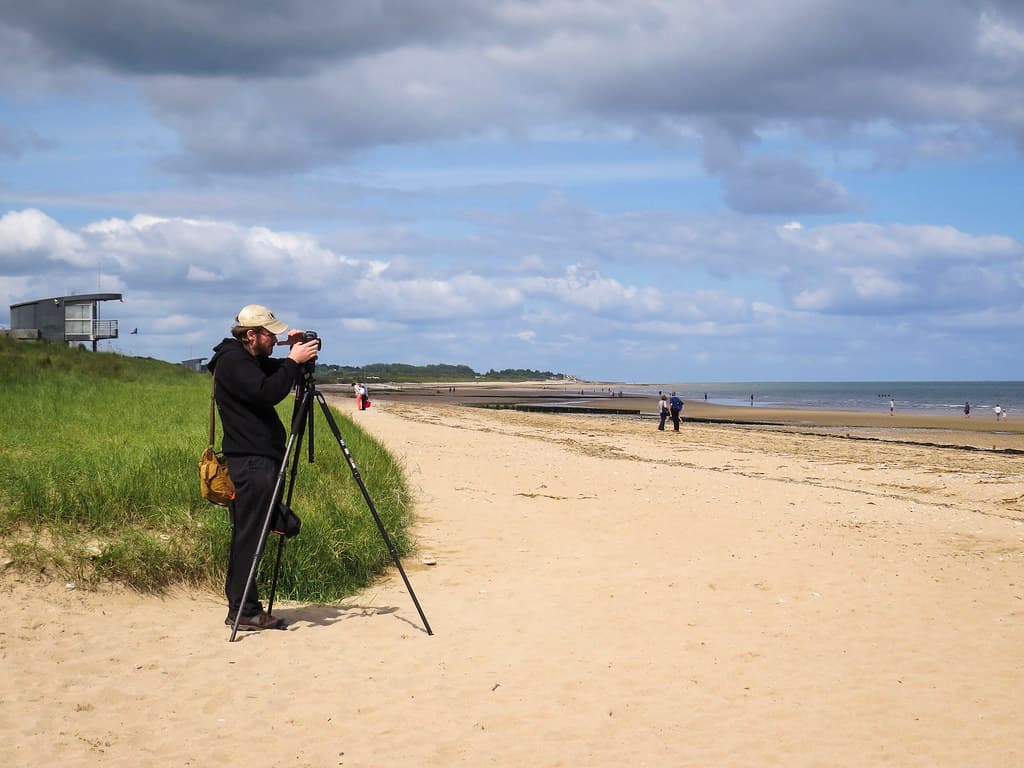
green grass on beach during daytime
Wade tidal pools for crabs
Half-buried Atlantic Wall concrete
Tractors deliver daily harvest
Where it is
Plage de Ver-sur-Mer
Ver-sur-Mer, Calvados, France
49.336300°, -0.528300°
Weather
Loading…
Swell
—
Temp
Warm · Restorative
UV Index
Moderate
Wind
—
Tidal State
Last known
Max Sunlight
—
Ideal Shade
—
May - Sep (Peak)
Jan - Dec (Off-season)
Historical data suggests peak visibility and stable sea temperatures occur during the prime visitation window.
Select a category to load nearby places.
Unlock restaurants, luxury stays and curated maritime experiences within 2km
Plage de Ver-sur-Mer is generally safe for family swimming during summer months when lifeguards are typically present. The beach features gently sloping sands and moderate tides common to Normandy's Gold Beach sector. However, always check tide times and local warnings, as currents can strengthen during high tide changes. The beach's quieter nature compared to busier Normandy beaches means fewer crowds but potentially limited supervision outside peak season. Supervise children closely, particularly near the waterline, and be aware of WWII-era remnants that occasionally appear in the sand.
June through September offers the warmest weather and calmest seas, with July and August being peak season when temperatures reach 20-25°C. However, Ver-sur-Mer's uncrowded nature makes shoulder seasons (May and September) particularly appealing for peaceful walks and stunning sunsets without summer crowds. The beach is accessible year-round, and autumn/winter visits reward hardy travellers with dramatic coastal scenery and reflective WWII memorial moments. Low tide reveals expansive sandy areas ideal for beachcombing. For sunset photography, summer evenings from May to August provide the best westward light.
Ver-sur-Mer is located approximately 20km northwest of Caen via the D514 coastal road between Courseulles-sur-Mer and Arromanches. By car from Caen, allow 30 minutes. Free parking is available near the beach along Avenue du Colonel Harper and near the seafront. Public transport is limited; the nearest train station is Bayeux (15km), from which taxis or seasonal bus services operate. Cycling is popular along the Normandy coast, with dedicated bike paths connecting to nearby D-Day beaches. GPS coordinates or 'Ver-sur-Mer plage' will navigate you directly to beachfront parking areas.
Ver-sur-Mer village offers several dining options including traditional French restaurants and crêperies within walking distance of the beach. La Paillote beachfront café serves casual meals and refreshments during warmer months. For groceries and supplies, the village has a small market and bakeries. Accommodation ranges from family-run chambres d'hôtes (B&Bs) to vacation rentals and small hotels. Nearby Courseulles-sur-Mer (3km east) and Arromanches (5km west) provide additional dining and lodging options. For extended stays, self-catering gîtes are popular, allowing families to enjoy the quieter atmosphere while exploring D-Day landing beaches.
Ver-sur-Mer sits on Gold Beach, where British forces landed on June 6, 1944. The beach itself still reveals wartime artifacts at low tide, including remnants of the Mulberry Harbor infrastructure. The nearby British Normandy Memorial, opened in 2021 just west of the beach, commemorates the 22,442 servicemen and women under British command who fell during D-Day and the Battle of Normandy. Ver-sur-Mer's quieter setting offers a reflective contrast to busier memorial sites, allowing contemplative walks along historically significant sands where pivotal WWII events unfolded.
Photos