
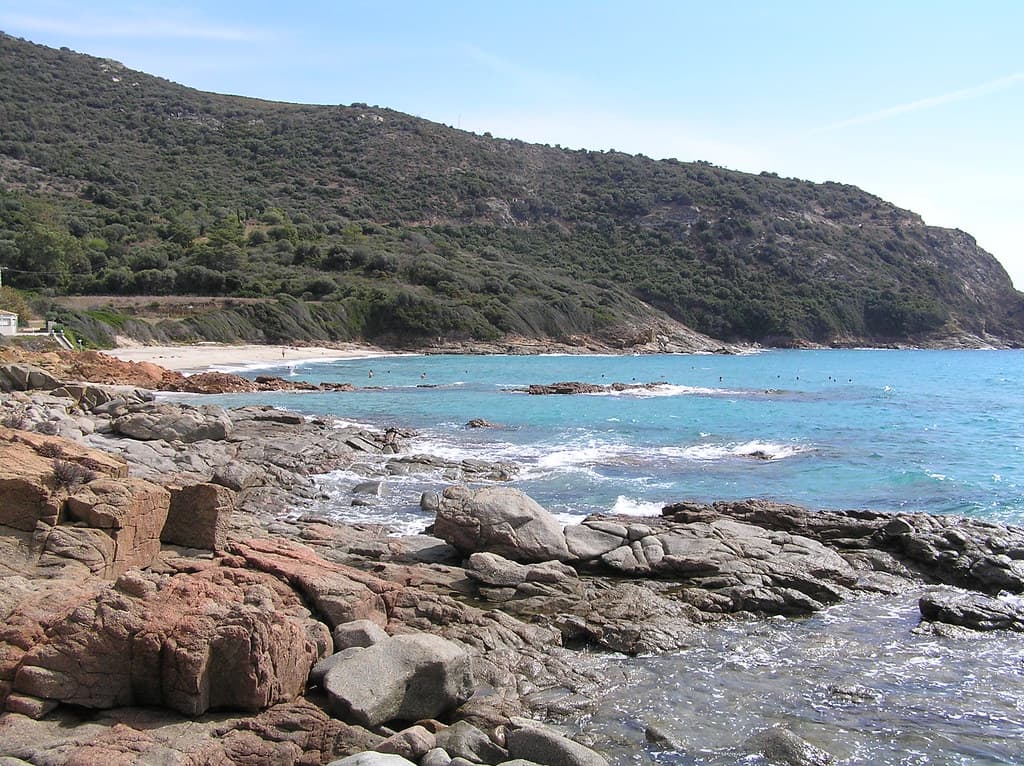
You'll earn this beach with a scramble down a rough path that discourages casual visitors, the trail winding between boulders and maquis until the cove opens below. The beach itself is petite, more pebble than sand, with enough room for a dozen towels before it feels crowded. But the real attraction lies just offshore, where rocky shelves and submerged boulders create a landscape for snorkeling that rivals more famous spots along the coast.
“The proximity of depth and rocky submarine terrain creates exceptional snorkeling conditions without requiring a boat or long swim from shore.”
 Credit: Flickr
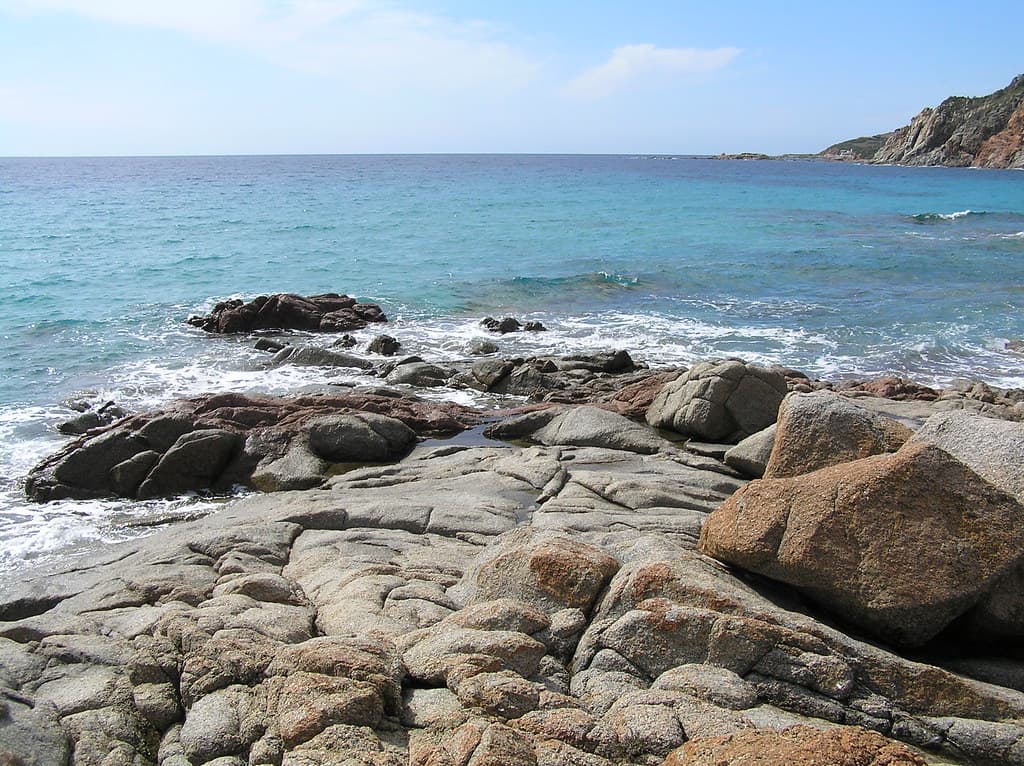
Plage de Capizzolu — photo by dkilim
The water here achieves remarkable transparency on calm days, the lack of river runoff and limited beach traffic leaving it undisturbed. You'll see the bottom clearly in fifteen feet, watching wrasse and damselfish patrol the rocks while sea urchins cluster in shadowed crevices. The depth arrives quickly—ten steps from shore and you're already floating over darker water, the seafloor dropping away in ledges and terraces that reward exploration with mask and fins.
The cove's rocky embrace provides shelter from afternoon winds that can make larger beaches uncomfortable, creating a microclimate where you can read or doze even when breezes rake the exposed coast. Above, Cargèse's white houses catch the light on the hillside, but they feel distant, almost irrelevant, when you're floating in the blue shadow of the rocks, watching fish navigate their stone maze.


