
Families recognize value here: the sand slopes so gradually that parents can read while children explore tide pools twenty meters out, still visible in the clarity. A seasonal beach club operates at the southern end, renting loungers and serving passable salads, but the northern two-thirds remain open territory where you can plant an umbrella in sand that's fine-grained enough to shake out of towels easily. The tamarisk shade shifts through the day, creating a slow-moving refuge from peak heat.
“Chiuni delivers the full resort beach experience while maintaining enough scale that solitude remains possible at the edges.”
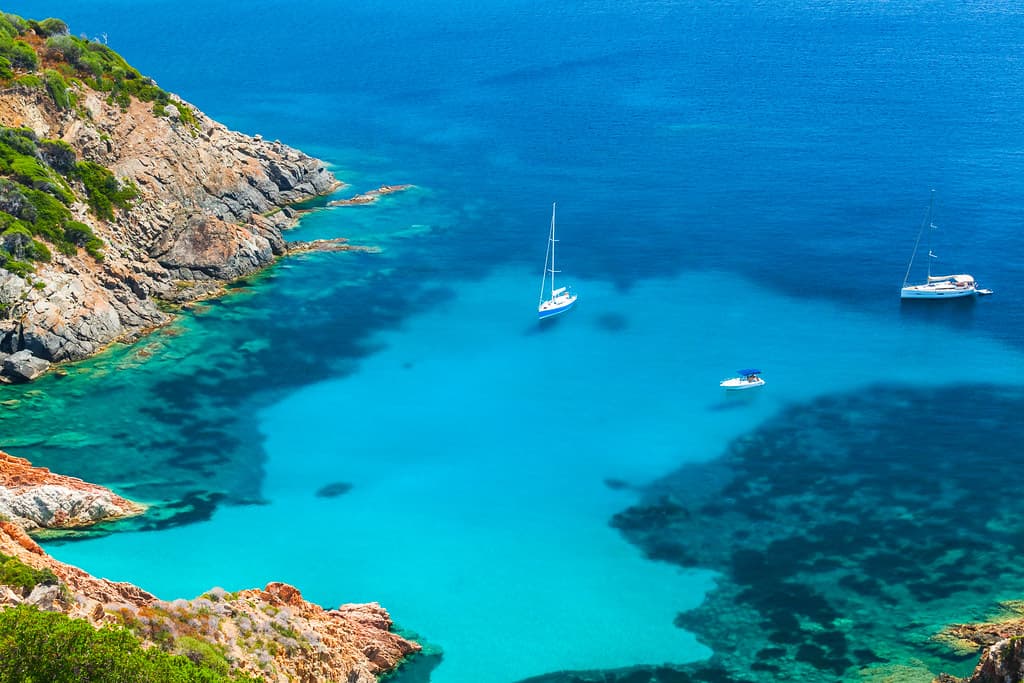 Credit: Flickr
Plage de Chiuni — photo by Voyages Lambert
The water holds fewer rocks than Pero to the south, making this the preferred choice for tentative swimmers and anyone nursing sunburned feet. By late morning a gentle current runs north to south along the beach; strong swimmers ride it down and walk back, repeating the loop. Snorkelers work the margins where boulders create habitat for wrasse and serran. The scent of immortelle—the yellow curry plant that carpets the dunes—intensifies in afternoon heat, mixing with salt and the occasional drift of grilled merguez from the beach club.
Resort development flanks the beach access roads, but the buildings step back far enough that the strand itself retains breathing room. Sunset faces aren't ideal here—the beach curves northeast—but the compensating morning light is exceptional, the offshore islands emerging from dawn haze as precise silhouettes. By eight a.m. in summer you'll have warm sand and cool water, with the day's heat still gathering offshore.


