Counting the waves…
Counting the waves…
A refined fusion of water purity, environmental stability, and communal vibrancy for Plage de Ficajola.
View MethodologyAnalyzed via live sensors and environmental data.
Wave height, wind, and atmospheric stability.
Live footfall and crowd balance metrics.
Community reviews and curated sentiment.
“The Calanques de Piana rise above this pocket beach in towers of sculpted red granite, their surfaces weathered into shapes that defy geology. The cove itself is barely large enough for a dozen towels, but every angle…”
Limited recent visitor reports — live OBI telemetry is your best guide for current conditions.
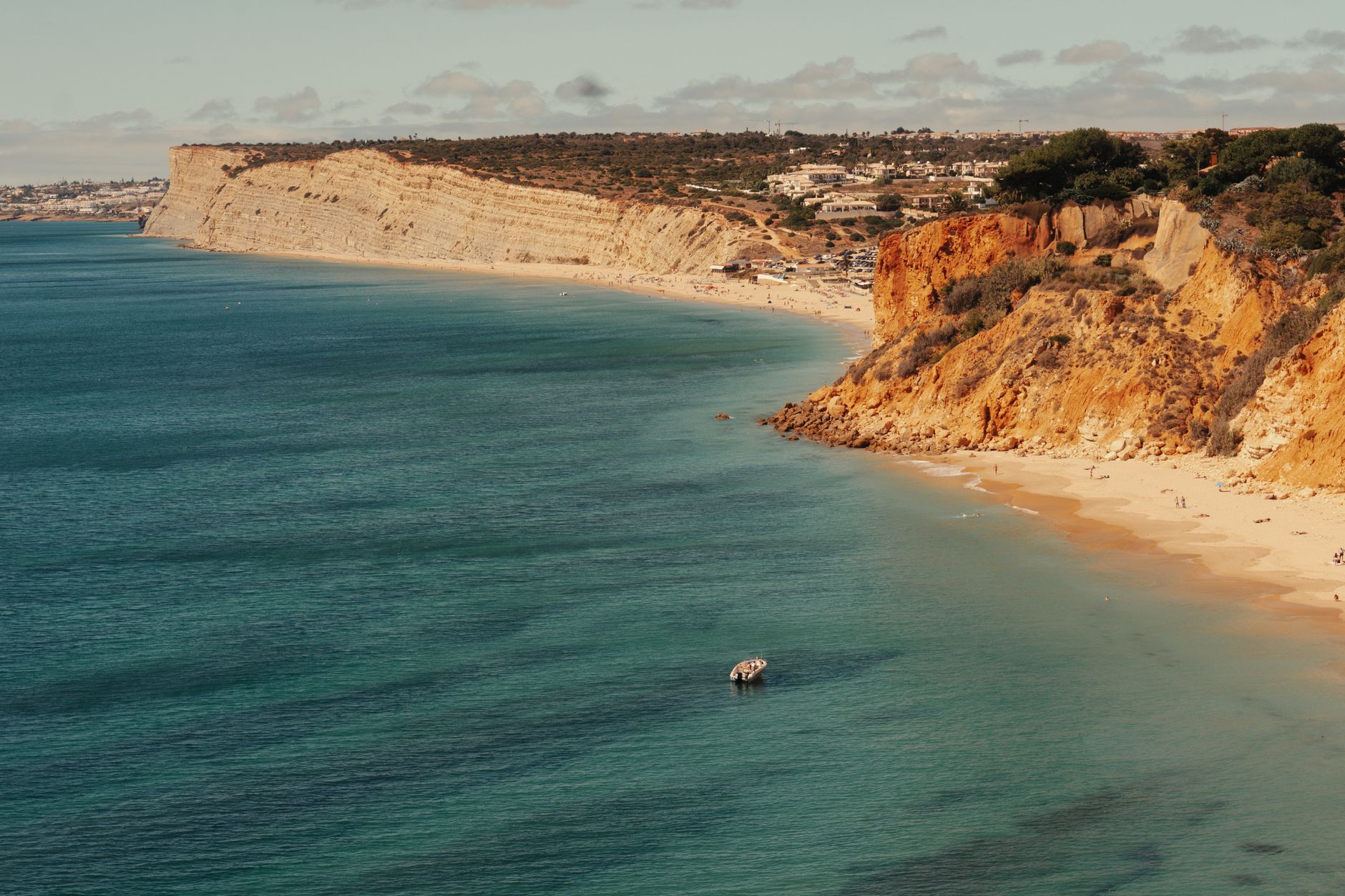
Plage de Ficajola is less a beach than a visual gift—a tiny wedge of pebbles and boulders squeezed between cliffs that glow like molten copper in afternoon light. The Calanques de Piana loom overhead, their red granite pillars twisted and hollowed by millennia of wind and salt, casting the cove in alternating bands of shadow and brilliance. The beach itself is perhaps twenty meters across, intimate to the point of exclusivity.
The water here transitions through a spectrum you'll struggle to describe accurately later—turquoise in the shallows over pale stones, deepening to sapphire where the bottom drops away, then navy in the shadows beneath the overhanging cliffs. Snorkeling reveals a chaos of boulders underwater, their surfaces furred with algae and hosting tiny wrasses that dart into crevices when you approach. The visibility stretches fifteen meters on calm days.
 Credit: Unsplash
A view of a beach and ocean from a hill
 Credit: Unsplash
a view of a beach from a hill overlooking the ocean
Red cliffs meet turquoise water
Wrasses hiding in underwater crevices
Sea access from Porto
Prime Visitation
Best Weather|Less Crowds
Where it is
Plage de Ficajola
Piana, Corse-du-Sud, France
42.240600°, 8.664300°
Weather
Loading…
Swell
—
Temp
Warm · Restorative
UV Index
Moderate
Wind
—
Tidal State
Last known
Max Sunlight
—
Ideal Shade
—
May - Sep (Peak)
Jan - Dec (Off-season)
Best Weather|Less Crowds
Select a category to load nearby places.
Unlock restaurants, luxury stays and curated maritime experiences within 2km
The cove offers relatively calm waters thanks to its sheltered position beneath Piana's cliffs, making it suitable for swimming and snorkeling in good weather. However, conditions can change quickly, and there are no lifeguards on duty. The rocky seabed and clear waters make it excellent for snorkeling. Always check weather forecasts before visiting, as westerly winds can create choppy conditions. The beach is small with limited shade, so bring sun protection and plenty of water.
The optimal period is May through June and September to early October when you'll find pleasant weather with fewer crowds than peak summer. Morning visits offer the best light for photography of the dramatic red cliffs. July and August bring more visitors due to school holidays. Afternoon hours typically provide calmer seas for swimming. Avoid visiting during strong westerly winds or in winter months when access can be difficult and conditions unpredictable.
The beach requires a steep descent from the D824 coastal road between Piana and Porto. Look for a small parking area along the road, then follow a somewhat challenging footpath down to the cove. The trail is rocky and uneven, requiring sturdy footwear and reasonable fitness. The descent takes approximately 15-20 minutes, with the return climb being more strenuous. Parking is limited, so arrive early during summer. The beach is not accessible by car directly.
The beach itself has no facilities, so bring all food, water, and supplies you'll need. The village of Piana, approximately 5-7 kilometers away, offers restaurants, cafes, and accommodation options including hotels and vacation rentals. Porto, slightly closer, also has dining and lodging choices. Many visitors make this a day trip from either village. Pack out all trash as there are no bins. The nearest shops for supplies are in Piana or Porto.
The beach sits dramatically beneath Piana's famous Calanques—striking red granite cliffs that glow golden and orange during certain light conditions. The contrast between the turquoise water, white pebbles, and rust-colored rock formations creates exceptional photo opportunities, particularly popular on Instagram. The intimate scale of this tiny cove, combined with the sculptural cliff formations, offers unique compositions. Visit during golden hour for the most spectacular lighting when the red rocks are most vibrant.
Photos