
Plage de Tahiti earns its exotic name honestly. Tucked into a sheltered inlet where the Aven estuary meets the Atlantic, the beach unfolds as a surprise of pale quartz sand—finer and lighter than the typical Breton strand—bordered by wind-sculpted pines and house-sized granite blocks worn smooth by millennia of storms. The water here holds an improbable clarity, its color shifting through a spectrum of greens and blues depending on the angle of the sun and the state of the tide. Children wade safely in the shallows while their parents claim spots on the soft sand, backs against sun-warmed rock.
“The only Breton beach where pale quartz sand and sheltered turquoise water genuinely evoke the South Pacific, framed by ancient granite and maritime pines.”
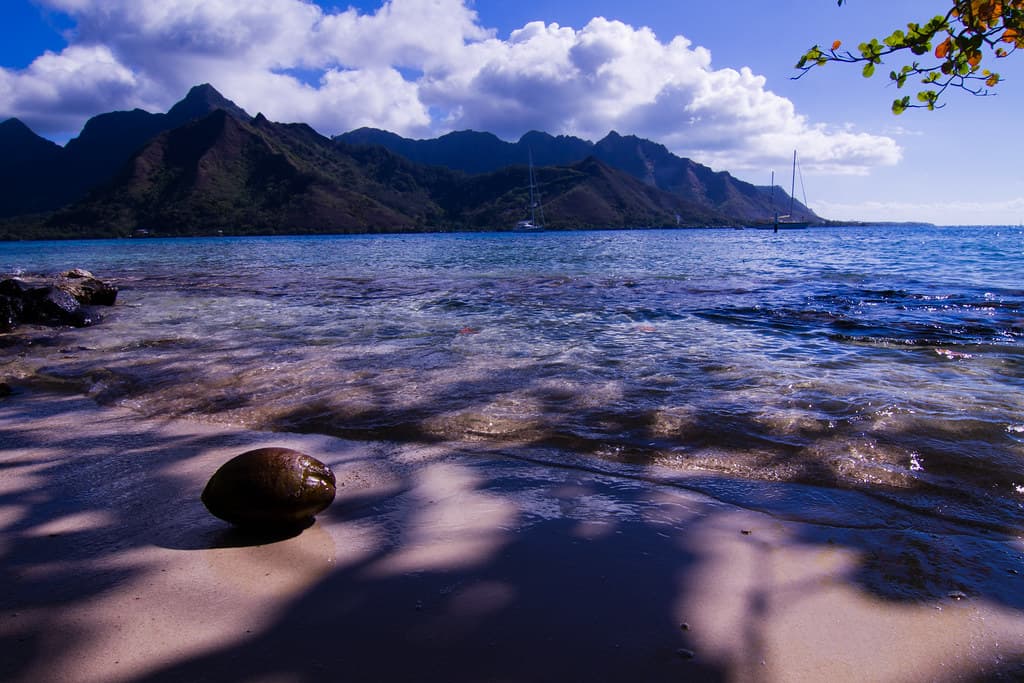 Credit: Flickr
Plage publique
The beach faces southeast, which means two things: shelter from Brittany's prevailing westerlies and exceptional light in the afternoon. Low tide reveals tidal pools trapped between granite outcrops, each one a miniature aquarium of darting shrimp and emerald anemones. At high water, the cove transforms into a natural swimming pool, the sea calm enough that you can float on your back and watch gulls wheel overhead against the blue.
Port-Manec'h village sits a ten-minute walk through the pines, its stone cottages and single café embodying the understated charm of the Breton coast. You won't find beach clubs or parasol rentals here—just sand, stone, and the particular quality of light that painters have traveled to Finistère to capture for generations. Arrive before eleven or after five, and you may have the entire crescent to yourself.


