
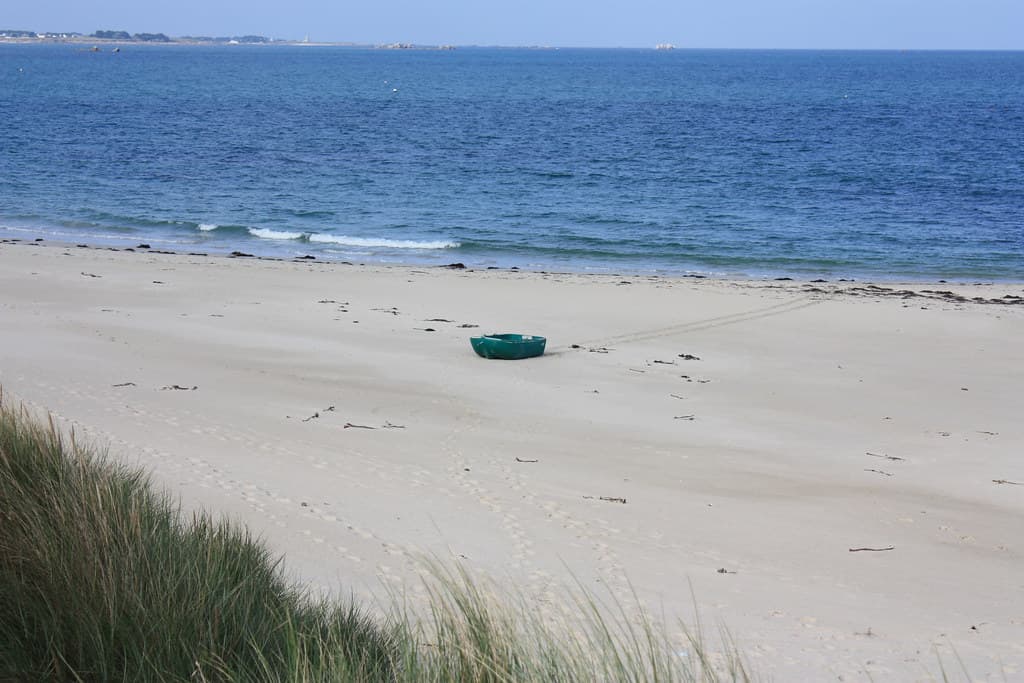
The path through the dunes opens onto a beach that seems to extend forever, its pale sand striped with tidal channels that gleam silver under scudding clouds. You feel the wind immediately—the same Atlantic gusts that have shaped this coastline for millennia, carrying the mineral tang of kelp and the faint sweetness of flowering oyster plants. Behind you, the Massif Dunaire de Keremma rises in undulating waves of sand and scrub, a protected landscape where rare orchids bloom between May and July.
“France's largest coastal dune system creates an ever-shifting landscape where the beach itself migrates with the seasons.”
 Credit: Flickr
30. Plage de Keremma
Families spread picnics in the shelter of reclaimed fishing boats hauled high on the beach, while kite-surfers harness the reliable westerlies that make this a year-round destination. At low tide, the beach doubles in width, revealing tide pools where shore crabs scuttle and hermit crabs trade shells. Children chase the retreating waterline, their footprints erased within minutes by incoming wavelets.
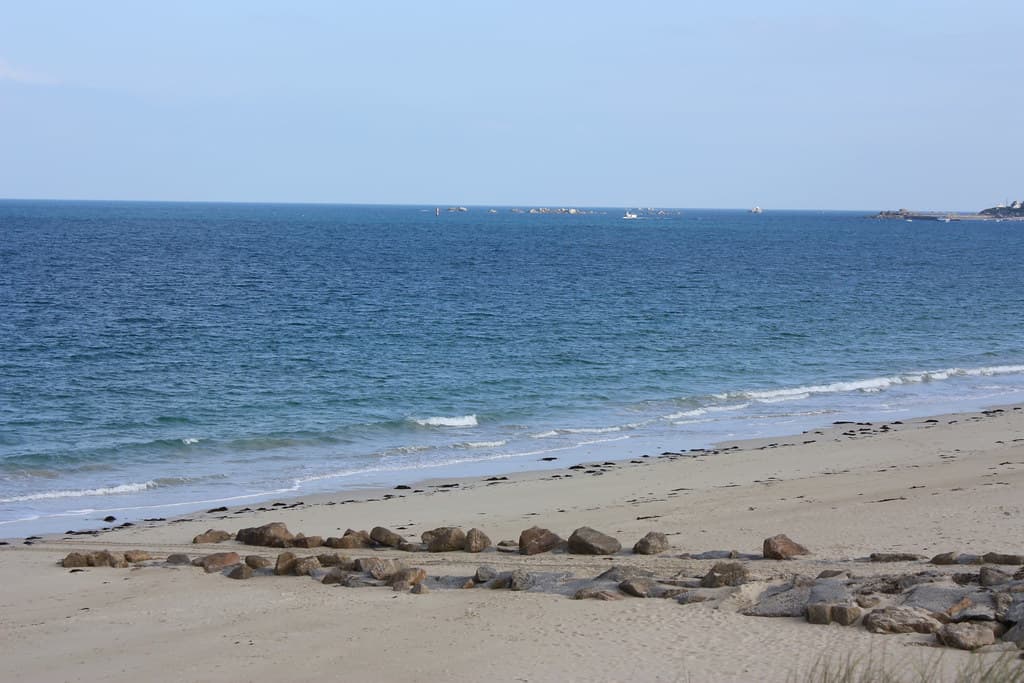
As evening approaches, the light turns amber, casting long shadows across the ribbed sand and illuminating the Île de Batz lighthouse on the northern horizon. Local families arrive with thermoses and blankets, staking out their favorite dune hollows to watch the sun sink into the Atlantic. The wind drops slightly, and you hear the rhythmic percussion of waves meeting shore—a sound that has measured time here long before Plouescat's fishing boats first launched from these sands.


