
Counting the waves…
Counting the waves…
A refined fusion of water purity, environmental stability, and communal vibrancy for Plage de Ghjunchitu.
View MethodologyAnalyzed via live sensors and environmental data.
Wave height, wind, and atmospheric stability.
Live footfall and crowd balance metrics.
Community reviews and curated sentiment.
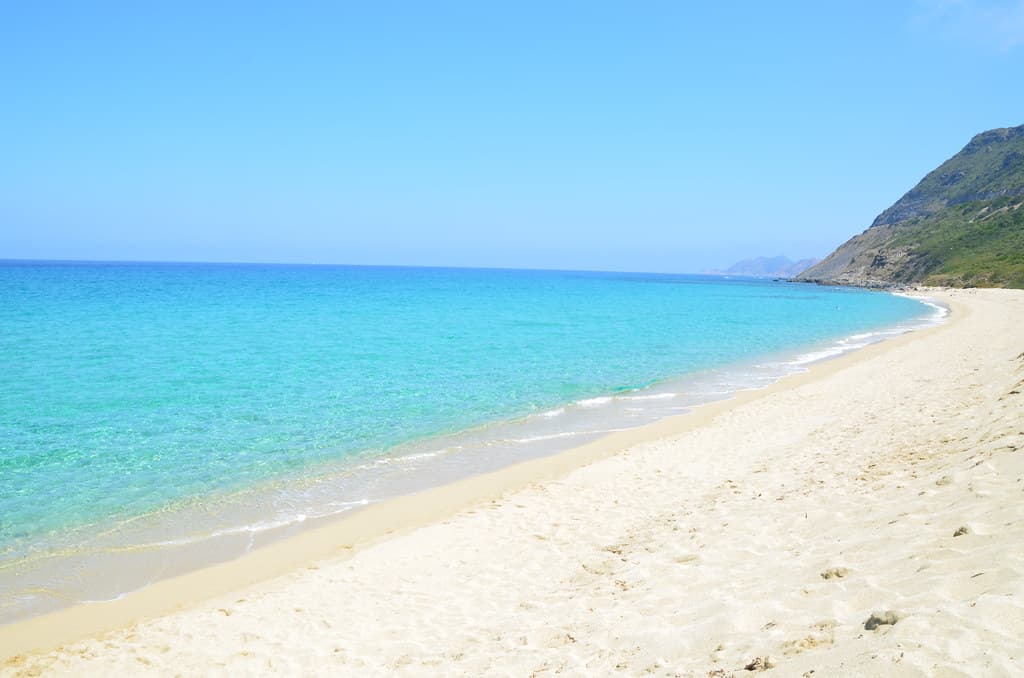
“You'll kick off your sandals onto powder that squeaks underfoot, finer than its famous neighbor Bodri. The water here gradates from jade to sapphire, shallow enough that toddlers wade out twenty meters while parents…”
Limited recent visitor reports — live OBI telemetry is your best guide for current conditions.
The sand between your toes feels almost talc-soft, a fine white grain that clings to wet calves and fills the creases of your beach bag. You spread your towel where low dunes give way to the shore, the scent of wild rosemary drifting down from the maquis-covered hillside behind you. Families arrive mid-morning, staking territory with striped parasols and coolers packed with Pietra beer and fig tarts from the Corbara bakery.
When you wade in, the seabed remains visible beneath your knees—ribbons of light rippling across ridged sand, tiny silver fish darting between your ankles. The water temperature hovers around twenty-two degrees in July, cool enough to gasp at first contact, warm enough to float on your back for an hour. A sailboat tacks slowly across the bay, its white hull bright against the darker blue where the shelf drops away.
Knee-deep for fifty meters out
Natural windbreaks and maquis scent
Headland silhouettes and sailboat traffic
Prime Visitation
Best Weather
Where it is
Plage de Ghjunchitu
Corbara, Haute-Corse, France
42.629700°, 8.914000°
Weather
Loading…
Swell
—
Temp
Warm · Restorative
UV Index
Moderate
Wind
—
Tidal State
Last known
Max Sunlight
—
Ideal Shade
—
May - Sep (Peak)
Jan - Dec (Off-season)
Historical data suggests peak visibility and stable sea temperatures occur during the prime visitation window.
Select a category to load nearby places.
Unlock restaurants, luxury stays and curated maritime experiences within 2km
Plage de Ghjunchitu is generally safe for swimming and excellent for families. The soft white sand and clear, shallow turquoise water create ideal conditions for children. The beach offers a gentle slope into the water, making it comfortable for swimmers of all levels. There are no lifeguards, so supervise children appropriately. The beach is fairly exposed, so afternoon winds can sometimes create waves. The long sandy stretch provides plenty of space for families to spread out and enjoy sunbathing and beach activities.
The best time to visit is May-June or early September for excellent weather with manageable crowds. July and August offer the warmest water and guaranteed sunshine but attract more visitors to this popular Balagne beach. Early morning visits provide the most peaceful experience and softer light for photography. The beach enjoys reliable sunny weather throughout the May-September season. Spring and early autumn offer comfortable temperatures for sunbathing while avoiding peak summer heat. Water temperature is warmest August through early October.
Plage de Ghjunchitu is accessed by car from the Balagne coastal road between Île-Rousse and Calvi, with signposted parking areas near the beach. The beach is located in the Corbara commune but closer to the coast than Corbara village itself. From the parking area, it's a short walk to the sand. Public transportation options are limited in this area, so a rental car is recommended. The beach is often mentioned alongside nearby Plage de Bodri. Check for parking fees during peak season.
Plage de Ghjunchitu has limited facilities directly on the beach. There may be seasonal beach restaurants or snack options nearby during summer months, but availability varies. It's advisable to bring your own food, water, and supplies, especially outside peak season. Basic facilities like toilets may be available but aren't guaranteed. The nearest full services, restaurants, and shops are in nearby coastal towns along the Balagne coast or in Corbara village. Come prepared for a more natural beach experience with minimal development.
Plage de Ghjunchitu is known for exceptionally soft white sand and strikingly clear turquoise water, ranking among the Balagne coast's most beautiful beaches. Often mentioned alongside neighbouring Plage de Bodri, it offers a long, scenic stretch perfect for sunbathing and beach walks. The beach combines accessibility by car with a relatively natural, undeveloped setting. Its position along the Balagne coast provides stunning mountain backdrops meeting the Mediterranean. The quality of sand and water clarity make it a standout choice for beach enthusiasts exploring northern Corsica.
Photos