
Counting the waves…
Counting the waves…
A refined fusion of water purity, environmental stability, and communal vibrancy for Plage de Saint-Vaast-la-Hougue.
View MethodologyAnalyzed via live sensors and environmental data.
Wave height, wind, and atmospheric stability.
Live footfall and crowd balance metrics.
Community reviews and curated sentiment.
“You'll smell the brine and diesel before you see the water—Saint-Vaast unfolds as a living harbor first, beach second. Wooden fishing boats lean against the quay at low tide, exposing acres of wet sand ribbed with…”
Higher weekend density may affect water purity and crowd scores temporarily.
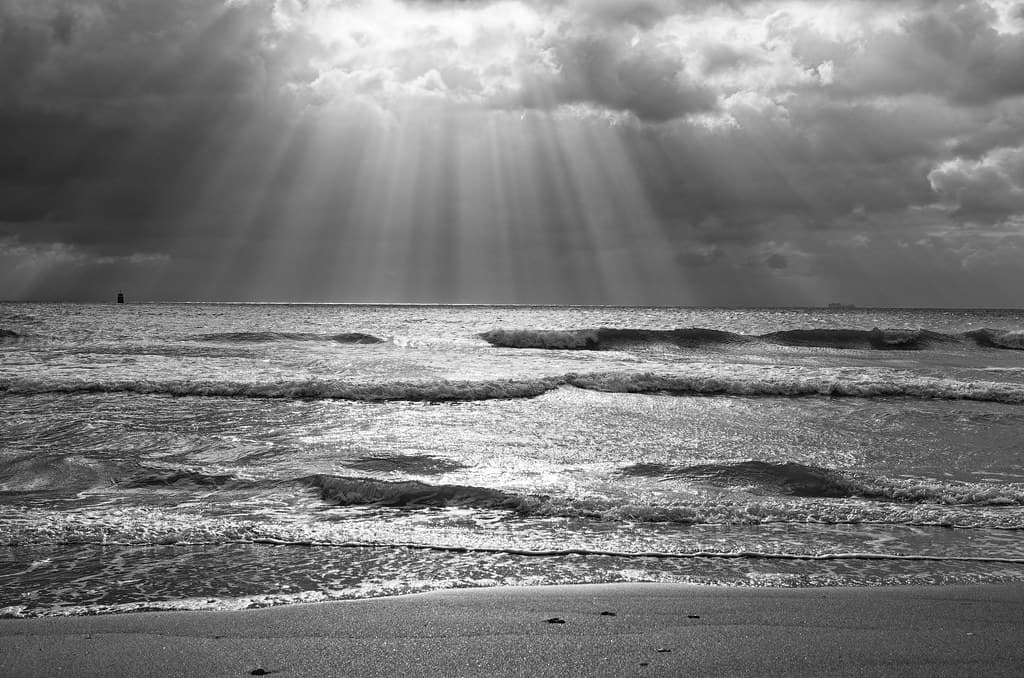
The beach at Saint-Vaast-la-Hougue stretches along the Quai Vauban in a gentle crescent, its sand exposed only when the tide pulls back half a mile, leaving behind tide pools warm enough for ankle-deep wading. Two UNESCO-listed towers—La Hougue and Tatihou—anchor either end of the view, their gray stone silhouettes unchanged since Vauban designed them in the 1690s. Fishing trawlers nose into the harbor every afternoon, unloading catch directly onto tables where vendors shuck oysters with swift, practiced flicks.
This is Normandy's east Cotentin at its most authentic: families spread blankets on the sand between beached dinghies, children drag nets through shallow channels hunting shore crabs, and retirees queue at the quayside for just-smoked herring. The water never rushes here—the English Channel ebbs and flows on a six-hour pulse, and you time your visit by the tide chart posted outside the tourist office. When the sea withdraws, locals walk the exposed sand flats toward Île Tatihou, though the shuttle boat is wiser unless you know the safe routes.
Shucked to order, lemon wedge
Golden hour from the jetty
Warm shallows, check tide charts
Where it is
Plage de Saint-Vaast-la-Hougue
Saint-Vaast-la-Hougue, Manche, France
49.587300°, -1.265900°
Weather
Loading…
Swell
—
Temp
Warm · Restorative
UV Index
Moderate
Wind
—
Tidal State
Last known
Max Sunlight
—
Ideal Shade
—
May - Sep (Peak)
Jan - Dec (Off-season)
Historical data suggests peak visibility and stable sea temperatures occur during the prime visitation window.
Select a category to load nearby places.
Unlock restaurants, luxury stays and curated maritime experiences within 2km
Yes, this beach is generally family-friendly with calm, shallow waters particularly at low tide, making it suitable for children. The eastern Cotentin location means the beach is more sheltered than Atlantic-facing coasts. However, always check local tide times as the English Channel experiences significant tidal ranges. Supervised swimming areas may be available during summer months. As with any beach, never leave children unattended and be aware of changing tides and currents. The gentle slope and sandy bottom make it popular with families throughout the year.
The beach is accessible year-round, but July and August offer warmest weather and full tourist amenities. Spring (April-June) and early autumn (September-October) provide milder temperatures, fewer crowds, and pleasant conditions for beach walks and oyster tasting in the town's renowned restaurants. Winter visits appeal to those seeking tranquil coastal scenery and dramatic sunsets. Check tide schedules regardless of season, as low tide reveals extensive sandy areas ideal for exploring. The area enjoys relatively mild Norman climate, though sea temperatures remain cool even in summer.
Several parking areas serve the beach in this small coastal town. The main parking lots are located along the waterfront near the port and beach access points. During summer, spaces fill quickly, especially on weekends, so arrive early. Some parking may be paid during peak season (typically July-August). The town is compact and walkable, so any central parking location puts you within easy reach of the beach. Street parking is available on surrounding roads. Saint-Vaast is accessible by car via D1 coastal road from Cherbourg or Barfleur.
Saint-Vaast-la-Hougue offers excellent dining, particularly seafood restaurants specializing in locally-farmed oysters, for which the town is famous. Numerous cafés, bistros, and fine dining establishments line the harbor and streets near the beach. Accommodation ranges from charming hotels and guesthouses to vacation rentals and nearby campsites. The town has bakeries, markets, and shops for supplies. Being a well-established resort destination, facilities remain open beyond summer, though some seasonal businesses close off-season. Book accommodation advance during July-August and holiday weekends when the area attracts many visitors.
Yes, the UNESCO-listed Vauban fortifications are a highlight of visiting Saint-Vaast. The iconic towers—Tour de la Hougue and Îlot de Tatihou—are visible from the beach and integral to the town's maritime heritage. Tour de la Hougue sits on a rocky point accessible by foot at low tide. Île Tatihou, reached by amphibious boat or walking across at low tide, features fortifications, a maritime museum, and gardens. These 17th-century defensive structures designed by military engineer Vauban make Saint-Vaast unique among Normandy beaches, combining seaside relaxation with significant historical architecture.