
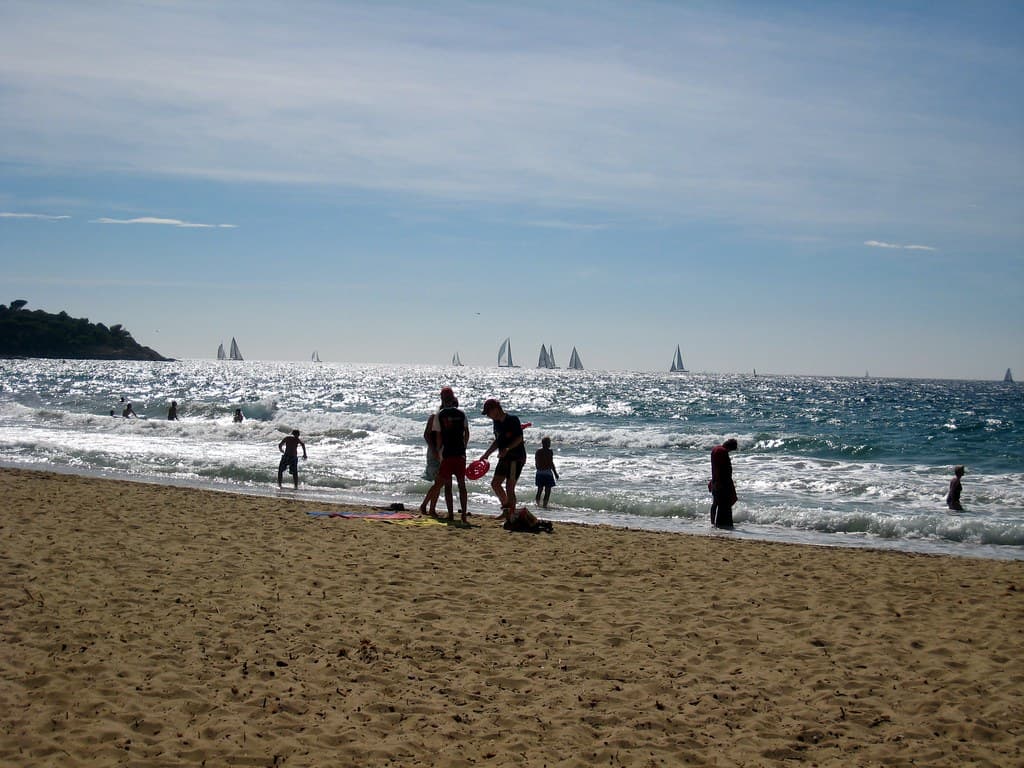
Reaching Plage de la Croix requires commitment: a forty-five-minute ferry from Quiberon, a walk across an island where bicycles outnumber cars, and a deliberate forgetting of the mainland's urgency. The beach sits on Hoëdic's southern edge, a sheltered pocket where the tide pools among black rocks and the sand takes on a buttery hue in late-day sun. At low water, the exposed flats reveal a miniature archipelago of seaweed-draped stones that children transform into kingdoms.
“Île-d'Hoëdic's smallest population of any inhabited Breton island makes this beach feel like a shared secret among the seventy souls who live here.”
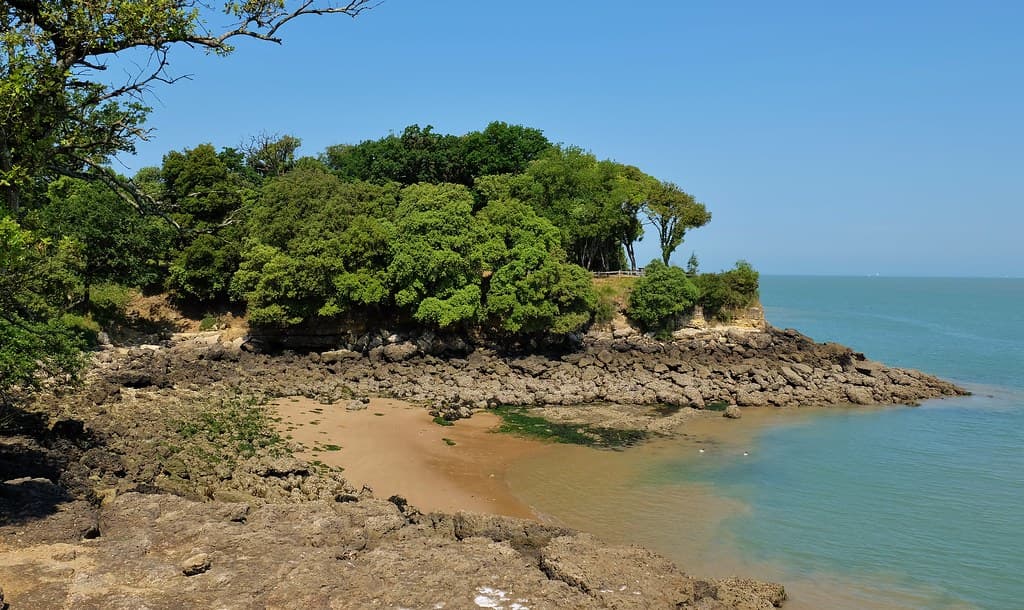 Credit: Flickr
Ile d' Aix, baby plage
The water here behaves differently than on Brittany's exposed coasts—calmer, warmer by a degree or two, shallow enough that even reluctant swimmers gain confidence. You wade in and the bottom stays visible, rippled and populated by darting fish no longer than your thumb. Behind you, the dunes anchor themselves with tough grasses that hiss in the ever-present wind, and a weathered wooden cross marks the beach's namesake, stark against the sky.
As the afternoon tilts toward evening, the island's seventy-odd year-round residents appear: a grandmother spreading a checked blanket, a fisherman checking his pots offshore, a couple walking the tideline with a dog that refuses to swim. You stay until the sun meets the Atlantic, painting the shallows copper and rose, and understand why those who find this place rarely settle for anywhere else.


