
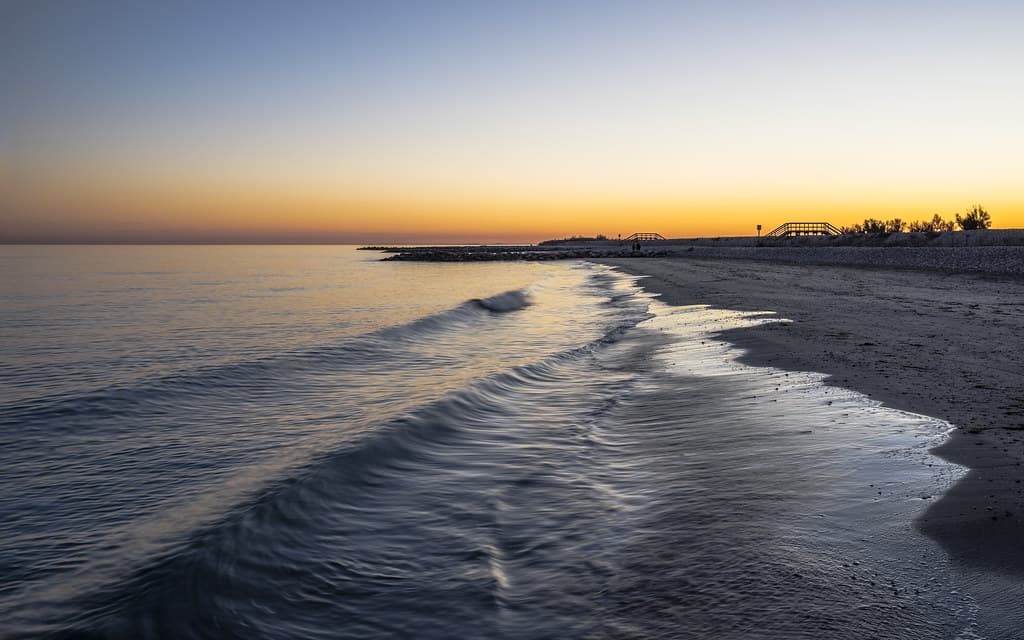
Plage de Frontignan unfurls along the Hérault coast in a long, democratic sweep—no beach clubs, no velvet ropes, just uninterrupted sand where you stake your claim with an umbrella and a cooler. The beach belongs to the rhythm of everyday French life: mothers corralling toddlers at the water's edge, teenagers playing pétanque near the dunes, retirees reading paperbacks under striped parasols. Behind you, the Étang d'Ingril glimmers in the heat, a brackish mirror reflecting sailboats and flamingos.
“The only beach where you can watch flamingos feed in a lagoon while your children build sandcastles fifty meters away in the sea.”
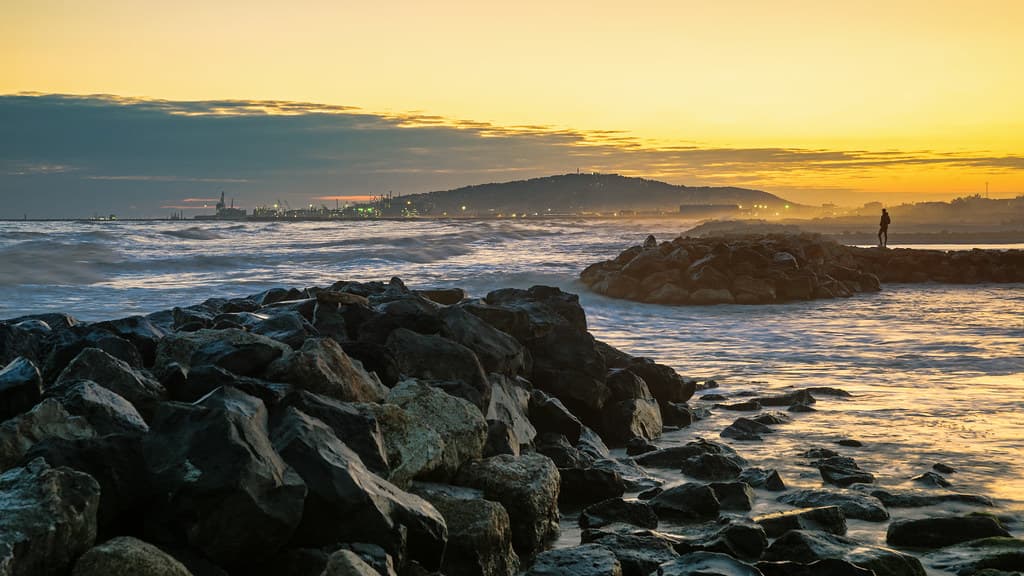 Credit: Flickr
Plage de Frontignan — photo by . Christian Ferrer .
The shore slopes gently into the Gulf of Lion, and the water stays shallow for thirty meters out—warm, waveless, safe for children learning to swim. Wooden walkways cross the dune grass, leading to public showers and simple beachside cafés serving moules-frites and rosé from nearby vineyards. By late afternoon, the light turns honeyed, the Massif de la Gardiole rises purple to the west, and you begin to understand why Frontignanais return here summer after summer.
This isn't a beach you discover by accident. You come because you're staying in Sète or Montpellier and want sand without pretense, because you've read that the muscatel grapes grown inland produce some of the Languedoc's finest sweet wines, or because you prefer your Mediterranean experience laced with the ordinary pleasures of a working town rather than the curated fantasy of a resort.


