
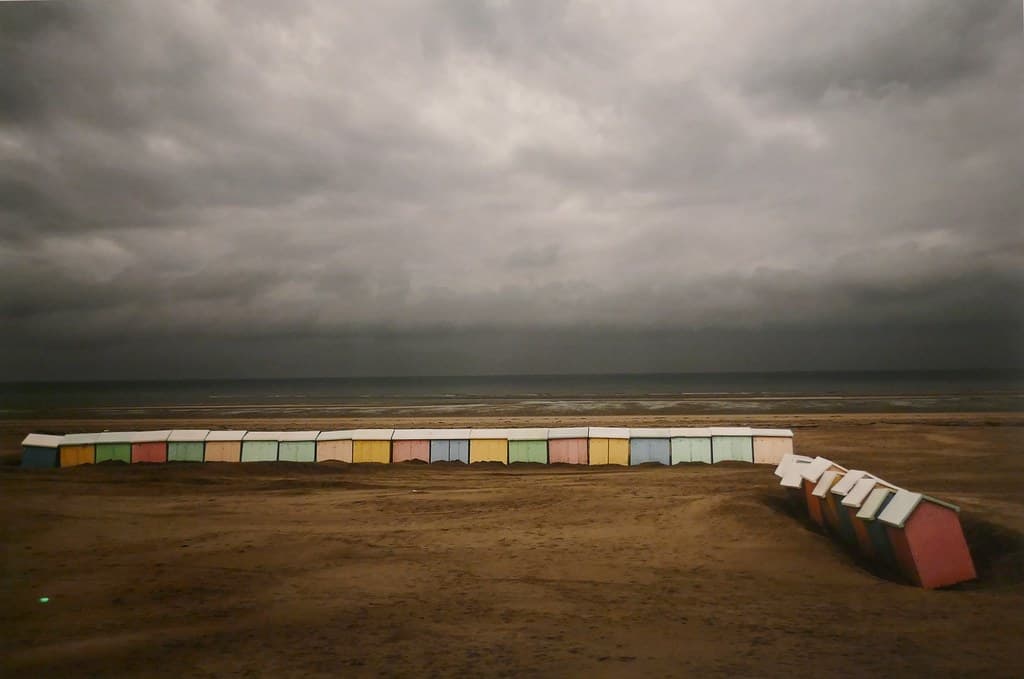
The wind arrives first, always—salt-laced and insistent, pushing clouds across a sky that shifts from pewter to pearl in minutes. Berck's beach doesn't seduce with turquoise clichés; it commands attention through sheer scale. At low tide, the sea retreats so far you question whether it plans to return, leaving behind corrugated sand that mirrors the moody sky. Families wade into shallow pools hunting for shrimp while kites—hundreds of them during the annual international festival—transform the April air into a kaleidoscope of nylon and string.
“One of France's few beaches where horses gallop freely beside kite surfers, creating scenes unchanged since the nineteenth century.”
 Credit: Flickr
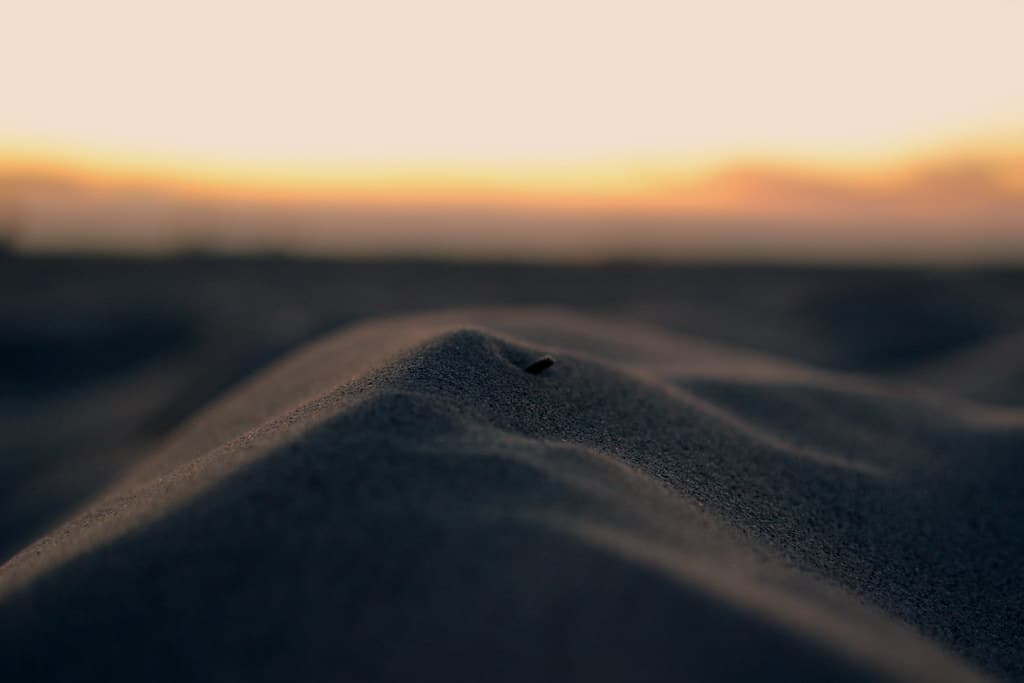
Little dune
The promenade hums with a distinctly French rhythm: grandmothers in wool coats occupying benches, fishermen checking lines cast into the surf, the smell of moules-frites drifting from beachfront brasseries. Berck wears its history as a Belle Époque health resort lightly, though remnants persist in the faded elegance of certain villas. This is northern France unvarnished—no pretense, just honest seaside pleasure.
When the tide rolls back in, it erases the day's footprints, horse hooves, and sand-castle kingdoms in one unhurried sweep. You'll understand why locals return generation after generation: Berck doesn't change to please you. It simply exists, vast and uncompromising, demanding you meet it on its own windswept terms.


