
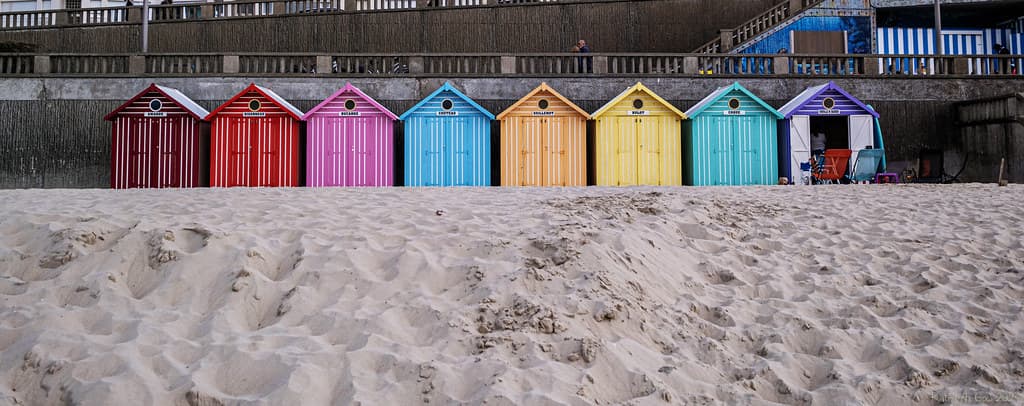
The first thing you notice is the width. At low tide, Plage de Stella unfolds like a rumpled linen sheet, striped with tidal channels that mirror the sky. Children wade shin-deep a hundred meters from the dune line, dragging nets for shrimp, while kites snap overhead in the reliable onshore wind. Behind you, a slender band of villas and low-rise apartments presses against the Forêt de Stella-Plage, where the scent of resin hangs thick on humid mornings.
“A family-oriented strand where the forest meets the beach and low tide reveals a vast, textured sandscape distinct from its glitzier neighbor.”
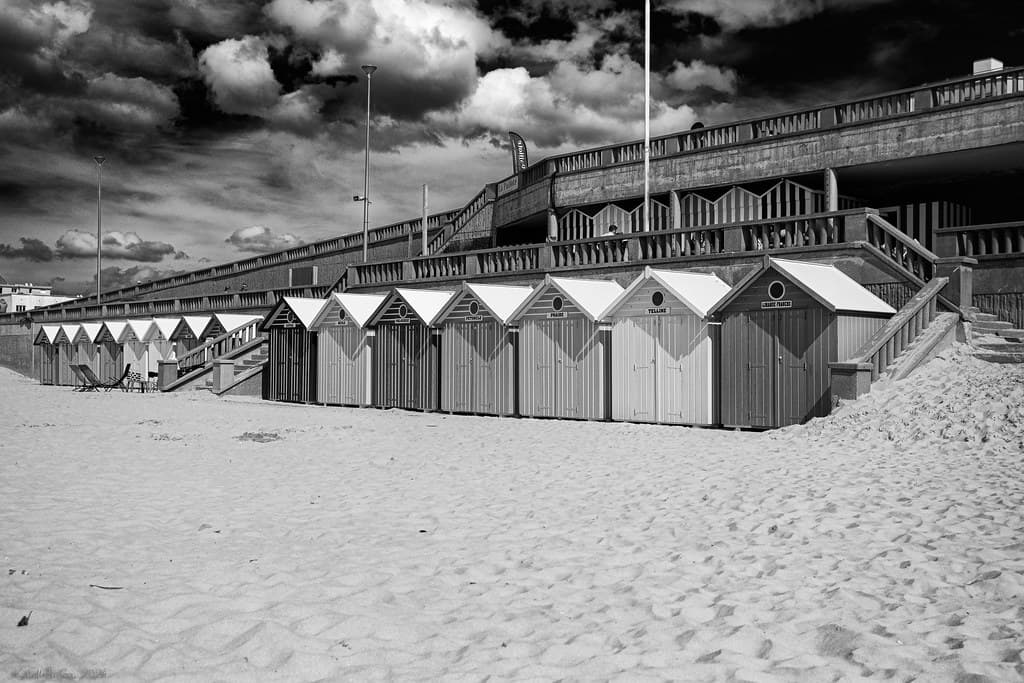 Credit: Flickr
à la plage
This is not Le Touquet. There are no polo fields or casino lights bleeding into the dusk. Instead, you find a procession of seasonal beach clubs—wood-planked terraces serving moules-frites under blue awnings—and a modest promenade lined with rental bicycles and ice-cream kiosks that shut down promptly at six. Families claim the same striped tents each August, spreading tartan blankets and thermoses of coffee while the tide creeps in.
Come for the sunsets, when the sky bruises pink over the receding waterline and dog-walkers appear in silhouette. The beach empties early here, leaving you the sound of gulls and the rhythmic suck of waves pulling gravel. In winter, the wind scours everything clean, and you understand why locals bundle into windbreakers and walk it anyway.


