
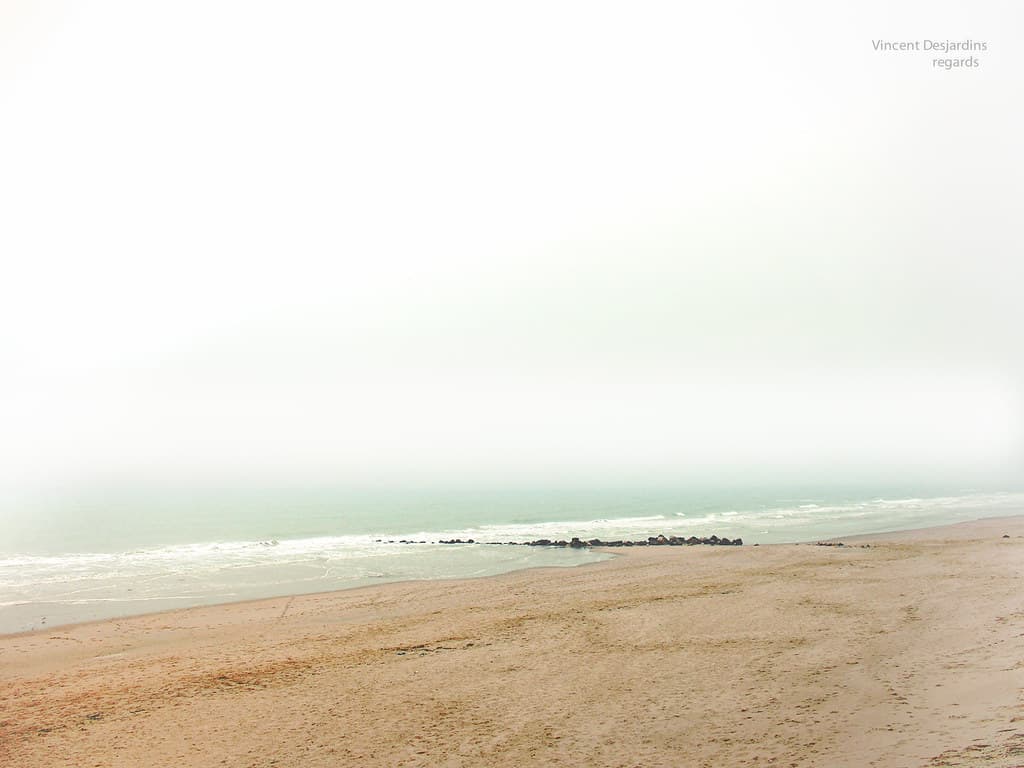
Merlimont stretches south from the busier resorts of Le Touquet and Berck, a working beach town where the Opal Coast sheds its drama for something gentler. The sand here runs wide and flat, interrupted only by wooden groynes that pattern the shore like ribs. At low tide, the sea pulls back hundreds of metres, leaving behind ribbed flats that catch the sky in shallow mirrors. Pine plantations—part of a centuries-old dune-stabilisation effort—frame the beach, their resinous scent mixing with salt when the onshore wind picks up.
“Merlimont offers the Opal Coast's longest unbroken stretch of sand without the resort-town crowds that define its northern neighbours.”
 Credit: Flickr
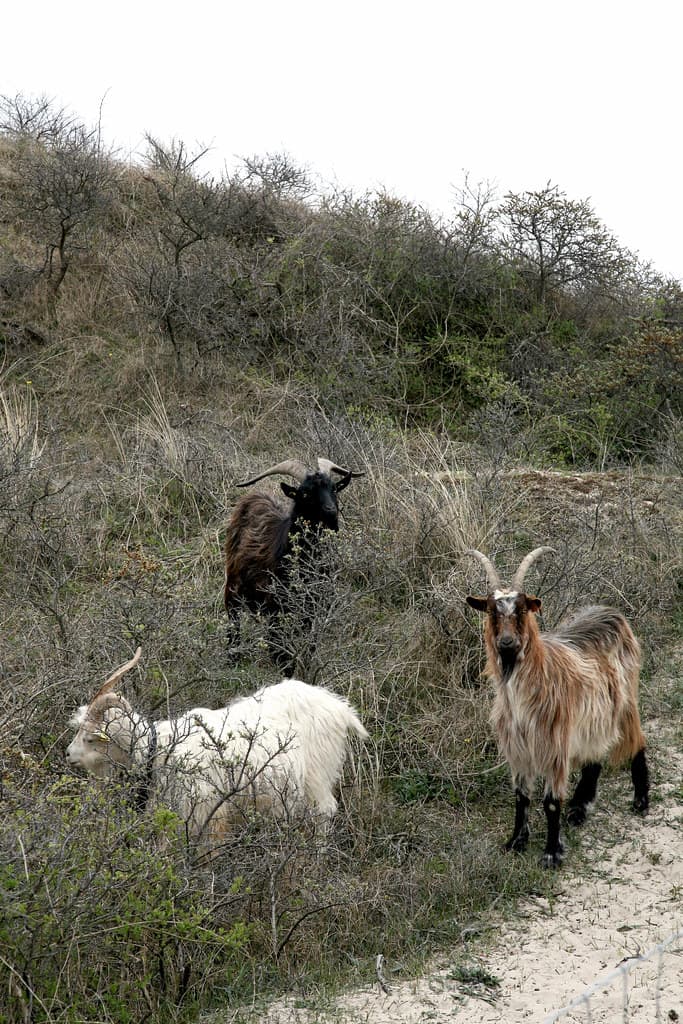
Stella-Plage, Pas-de-Calais, France " boucs "
Families claim patches near the handful of beach clubs that rent striped windbreaks and deck chairs; farther south, the strand empties into a sweep of sand where kite-flyers and char-à-voile enthusiasts skim across the hard-packed flats. The water stays shallow for a long wade, warming slightly in summer but never losing its bracing North Sea bite. You'll share the beach with locals walking dogs, retirees collecting razor clams, and the occasional horse from the nearby riding centres.
Sunset here is a drawn-out affair—the horizon unobstructed, the light sliding from gold to rose to pewter as the tide begins its slow return. There's no fanfare, no cocktail bar applause. Just you, the wind, and the knowledge that this stretch of coast has resisted the urge to become anything other than what it is: a place where sand, sea, and sky do all the work.


