
The Opal Coast earned its name from the way light plays across this moody seaboard, and Hardelot delivers that shimmer in spades. You walk down wooden boardwalks threading through marram grass, past Belle Époque villas that once hosted French aristocracy fleeing summer heat. The beach unfurls in both directions—two kilometers of uninterrupted sand at low tide, hard-packed enough for fat-tire bikes and wind-blown kites that tug at their lines like impatient dogs.
“The rare French Atlantic resort where Belle Époque architecture frames a functional surf beach that welcomes learners as warmly as longboarders.”
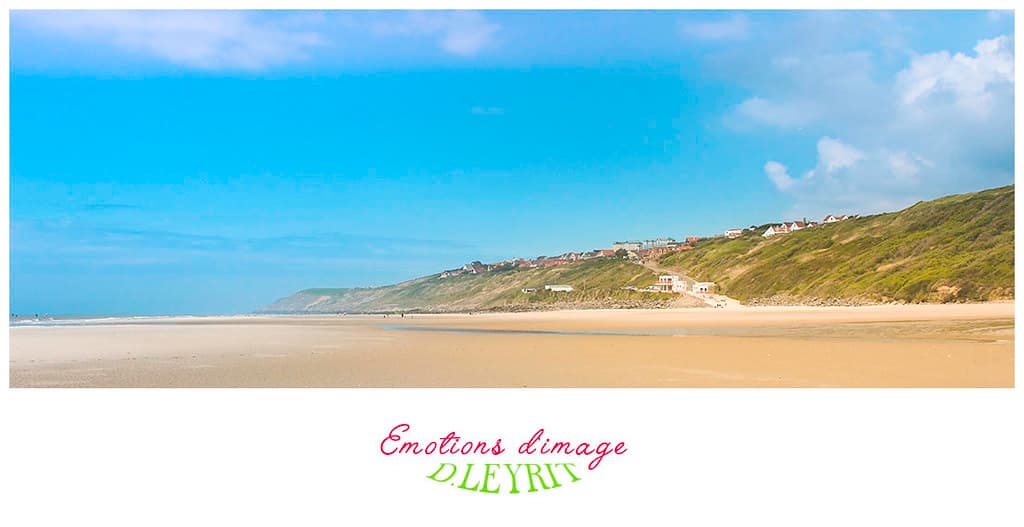 Credit: Flickr
la plage d'Hardelot
Surf schools cluster near the main access points, their wetsuits drying on racks that face a sea the color of slate. The waves here are forgiving learners, rolling in with steady rhythm rather than the dramatic barrels of Biarritz. Families dig moats around sandcastles while their teenagers paddle out, and the lifeguard flags snap in wind that never quite dies. Behind you, the dunes rise like frozen waves themselves, their slopes stitched with wooden stakes to hold the sand in place.
As the tide retreats, it leaves behind tide pools and ribbed sand that catches the late afternoon light in bronze and pewter. The beach clubs serve moules-frites and local Bière de Pays d'Opal under striped umbrellas, but most visitors bring baguette sandwiches and thermoses of coffee, content to watch the weather roll in from England. This is the beach where northern France comes to breathe—no pretense, just wind and width and water that refuses to coddle.


