
You park near the Louis Blériot monument—the stone obelisk marking where the aviator first touched French soil after crossing the Channel in 1909—and step onto a beach that seems to stretch halfway to England. The sand is beige and firm, ridged by tides that pull back twice daily to reveal dark mussel beds and shallow lagoons. Overhead, kites snap and hum; this is one of northern France's kiteboarding capitals, and the steady westerlies bring a stream of neoprene-clad regulars launching into the chop.
“It's the closest French beach to England, where aviation history and wind-sport obsession collide beneath Cap Blanc-Nez's chalky profile.”
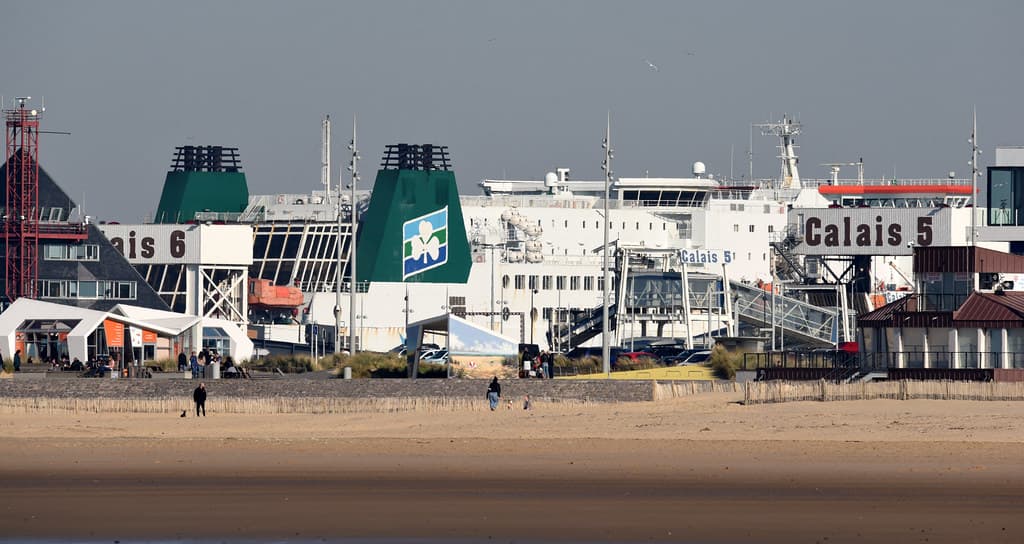 Credit: Flickr
Sangatte Blériot-Plage 18 March 2022 010
The dune system behind you rises in tufted mounds of marram grass, laced with wooden footbridges that protect the fragile vegetation. On clear days the white cliffs of Dover materialize on the horizon, close enough to remind you that this coast has always been a threshold—Roman galleys, medieval smugglers, Blériot's canvas-and-wire contraption all passed through these same winds. Families spread blankets in the shelter of the dunes; couples brave the bracing water for quick swims; dog walkers trace the tide line at dusk.
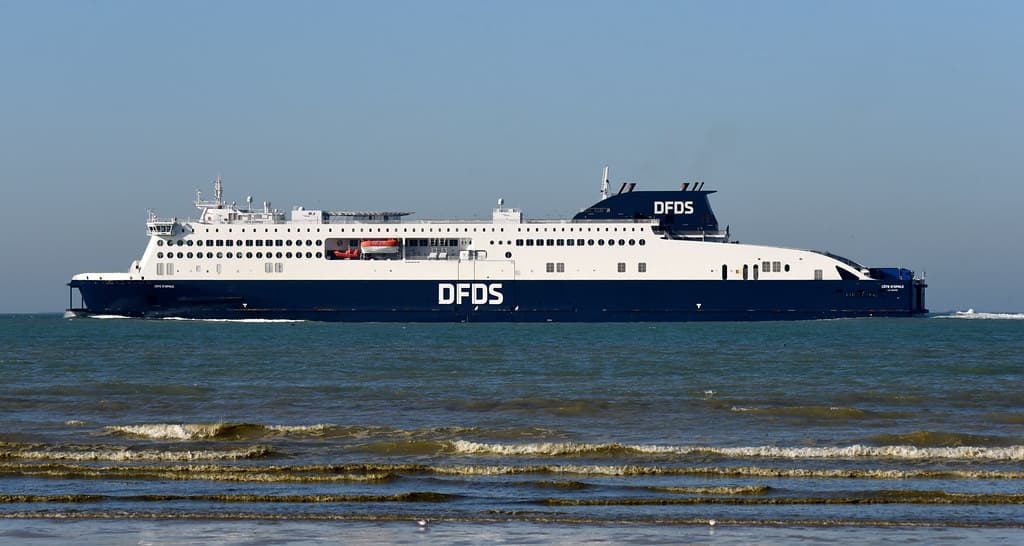
As the sun drops, the sky flares tangerine and violet, silhouetting the hulking ferries that ply the strait. The offshore turbines of the Dunkirk wind farm blink red against the twilight. You pull your jacket tighter, tasting brine and diesel, and understand why this beach wears its beauty without softness—every gust, every wave, every scrap of history is unfiltered.


