
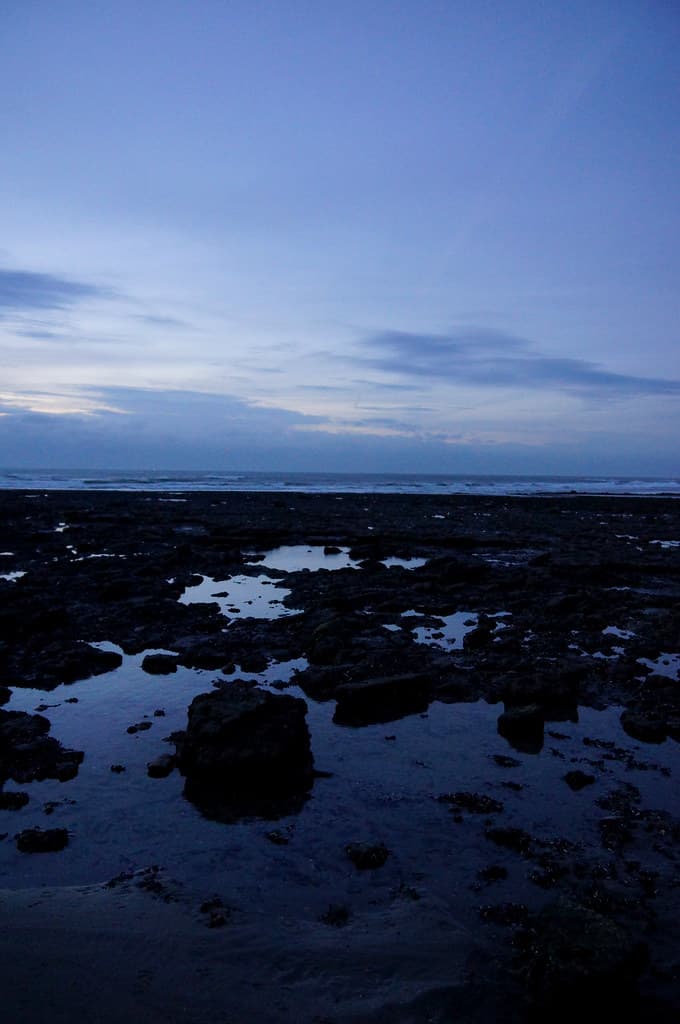
The promenade at Wimereux curves for nearly two kilometers along a north-facing bay, backed by pastel-painted houses that survived both world wars. You'll walk on sand that shifts from pale honey when dry to gunmetal gray when wet, flanked by wooden groynes that jut into the surf like piano keys. Families spread picnic blankets near the brightly painted beach huts—blue, red, green, yellow—while kitesurfers rig their equipment near the sailing club.
“The only northern French resort where Belle Époque grandeur meets working fishing-village authenticity without a hint of theme-park polish.”
 Credit: Flickr
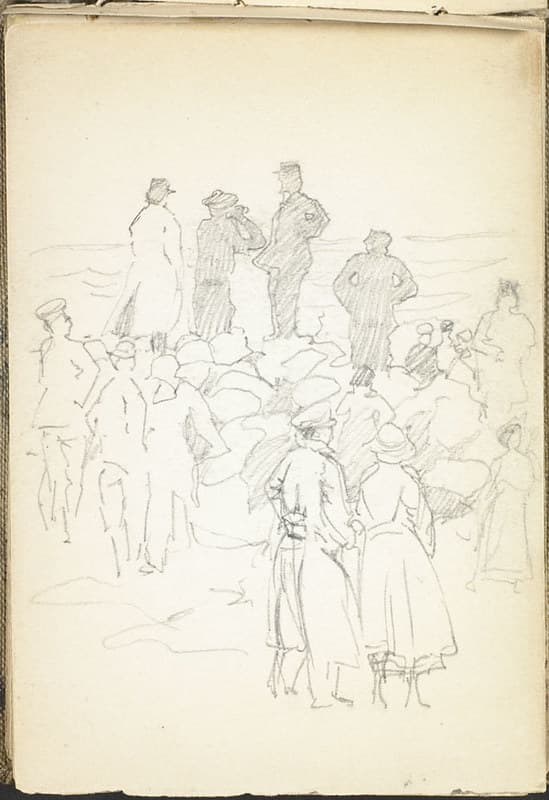
Men and women, soldiers and civilians, assembled on the beach at Wimereux, France / Hommes et femmes, militaires et civils, rassemblés sur une plage à Wimereux (France)
The town itself climbs the hillside in terraces, its Belle Époque architecture a reminder of when Parisians and Belgians first discovered this stretch of coast in the 1880s. You'll find fresh moules-frites at waterfront brasseries, where locals gather for afternoon coffee and watch the Channel ferries glide past on the horizon. The water stays cold year-round—expect 17°C in August—but that doesn't stop the hardy from plunging in.
Low tide reveals rockpools teeming with crabs and anemones, drawing children with nets and buckets. High tide brings the waves nearly to the seawall, where spray mists the esplanade during winter storms. Come evening, the sun sets behind the town rather than over the water, painting the Belle Époque facades in copper and rose while the beach falls into soft blue shadow.


