Counting the waves…
Counting the waves…
A refined fusion of water purity, environmental stability, and communal vibrancy for Japanese Garden Beach.
View MethodologyAnalyzed via live sensors and environmental data.
Wave height, wind, and atmospheric stability.
Live footfall and crowd balance metrics.
Community reviews and curated sentiment.
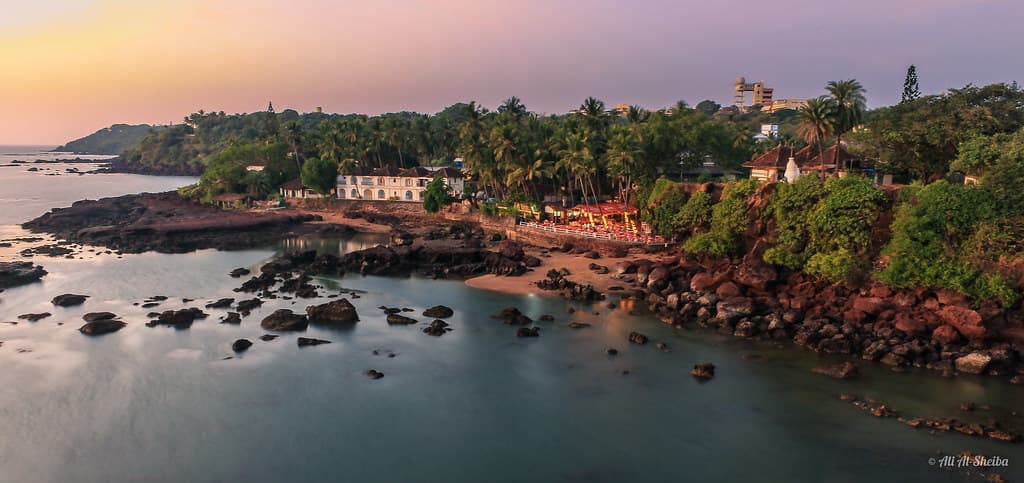
“Below the manicured tranquility of the Japanese Garden in Vasco da Gama lies a rugged, rocky beach, a dramatic contrast of nature's raw power and human artistry. This hidden coastal stretch offers a unique perspective…”
Limited recent visitor reports — live OBI telemetry is your best guide for current conditions.
Japanese Garden Beach, though not a typical sandy expanse, offers a compelling and scenic experience that sets it apart. Situated beneath the beautifully maintained Japanese Garden viewpoint, this rocky shoreline presents a dramatic interplay of land and sea. Here, the powerful Arabian Sea meets ancient rock formations, creating a rugged beauty that is both captivating and serene.
The descent to the beach reveals a landscape rich in texture and form, where tide pools teem with miniature marine life and the air is filled with the invigorating scent of salt spray. It’s a place for explorers, for those who appreciate the raw, untamed side of the coast. The sounds of waves breaking against the rocks create a natural symphony, a powerful reminder of nature’s enduring force.
 Credit: Unsplash
an aerial view of a beach and a city
 Credit: Unsplash
a group of people standing on top of a sandy beach
Dramatic rocky scenery
Fiery sky over rocks
Tide pools and formations
Prime Visitation
Best Weather | Less Crowds
Where it is
Japanese Garden Beach
Vasco da Gama, Goa, India
15.395700°, 73.793900°
Weather
Loading…
Swell
—
Temp
Warm · Restorative
UV Index
Moderate
Wind
—
Tidal State
Last known
Max Sunlight
—
Ideal Shade
—
Jan - Dec (Peak)
May - Nov (Off-season)
Best Weather | Less Crowds
Select a category to load nearby places.
Unlock restaurants, luxury stays and curated maritime experiences within 2km
Japanese Garden Beach is primarily a rocky beach, making it less ideal for traditional swimming compared to sandy beaches. While you might find small pockets of calmer water suitable for wading or a quick dip during low tide, caution is advised due to the rocks and potential for uneven footing. It's more suited for exploring the rock formations, enjoying the views, and photography rather than extended swimming sessions. Always wear appropriate footwear.
The best time to visit Japanese Garden Beach for scenic views and fewer crowds is during the dry season, from October to March. Visiting during the early morning or late afternoon, especially for sunset, offers spectacular photographic opportunities and a more serene experience. Weekdays typically see fewer visitors than weekends. The 'Best Weather' ensures clear skies, enhancing the views from the garden above and the beach below. Avoid monsoon months.
Japanese Garden Beach is located below the Japanese Garden in Vasco da Gama. Access involves descending a set of steps from the garden viewpoint. It's easily reachable by auto-rickshaw or taxi from anywhere in Vasco. If driving, you can park near the Japanese Garden entrance. While the descent to the beach requires some mobility, its proximity to the city makes it quite accessible for those looking to explore this unique coastal spot.
As Japanese Garden Beach is a more secluded, rocky spot primarily known for its scenic beauty and the garden above, there are no direct dining or accommodation facilities on the beach itself. However, due to its location within Vasco da Gama, numerous restaurants, cafes, and hotels are available within a short drive. Visitors typically combine a visit here with dining in the city. Pack water and snacks if you plan to spend time exploring the beach.
Japanese Garden Beach is unique for its distinctive rocky landscape and its location directly below the well-maintained Japanese Garden, offering a dual attraction. It provides a dramatic contrast to Goa's typical sandy beaches, with interesting rock formations and tidal pools to explore. Its hidden, scenic quality makes it perfect for photography and enjoying a quiet sunset, offering a less obvious but highly rewarding coastal experience within Vasco da Gama.
Photos