Counting the waves…
Counting the waves…
A refined fusion of water purity, environmental stability, and communal vibrancy for Malenge Beach.
View MethodologyAnalyzed via live sensors and environmental data.
Wave height, wind, and atmospheric stability.
Live footfall and crowd balance metrics.
Community reviews and curated sentiment.
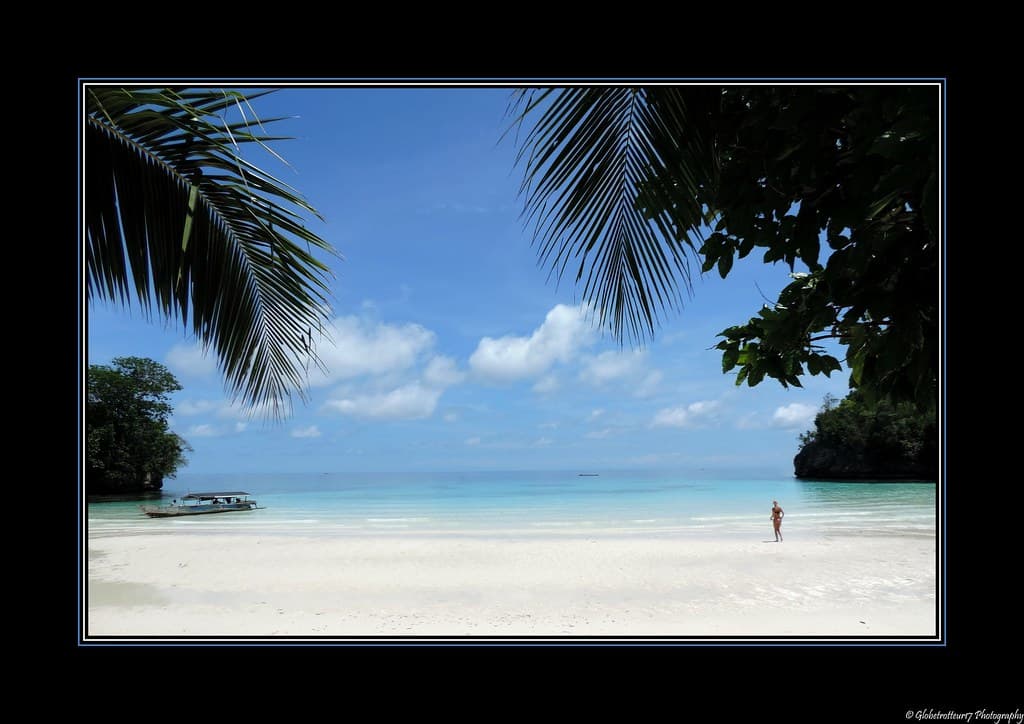
“You arrive at Malenge Beach by boat, stepping onto powder that squeaks underfoot, facing a bay ringed by jungle-thick hills. The reef starts ten strokes from shore, and you'll share it with maybe three other travelers.…”
Limited recent visitor reports — live OBI telemetry is your best guide for current conditions.
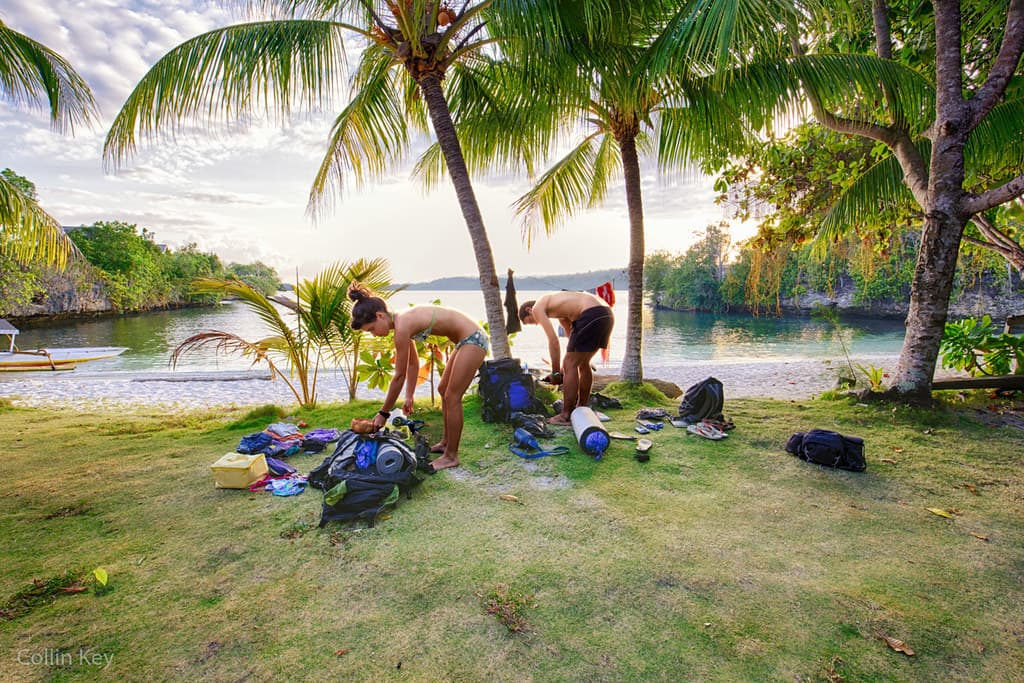
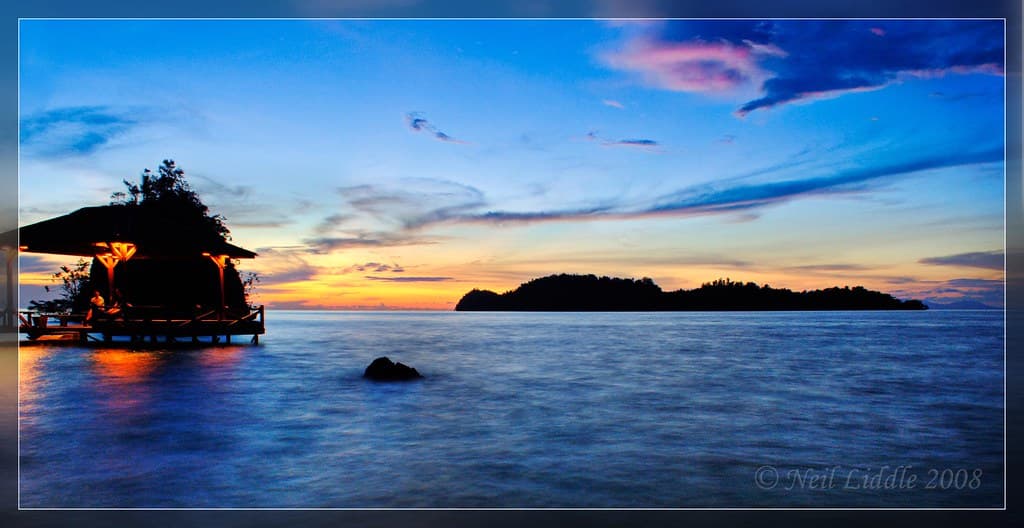
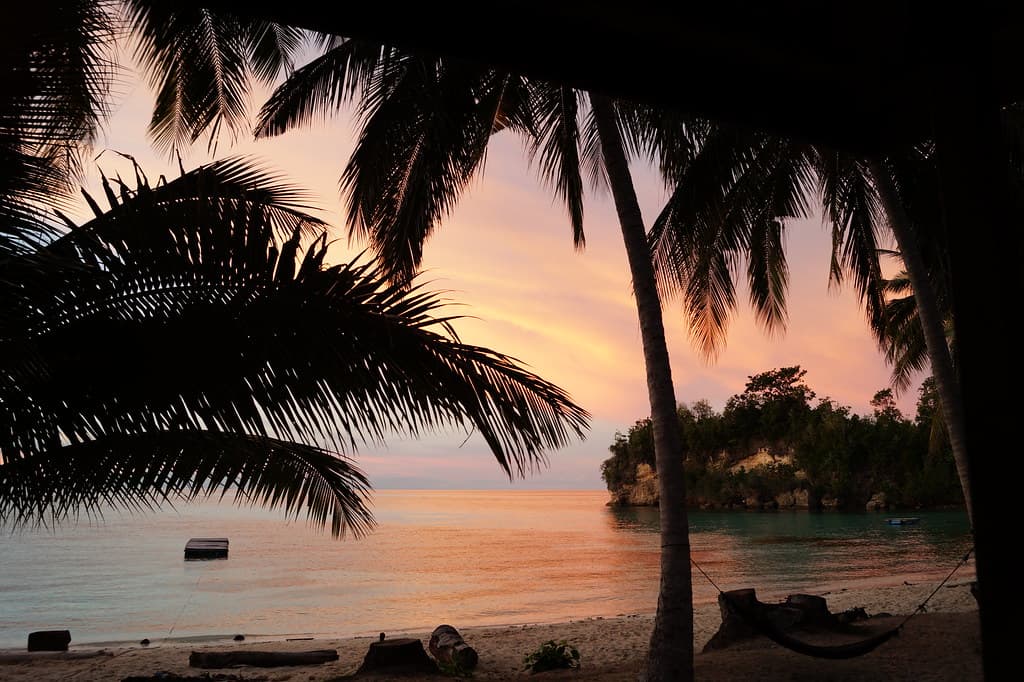
The Togean Islands float in Tomini Bay like forgotten emeralds, and Malenge Beach sits on the quietest of the inhabited isles. You wade into bathwater-warm shallows where sergeant majors dart between staghorn coral, the bottom a mosaic of sand channels and rock gardens visible in every detail. Local fishing boats bob offshore, their outriggers casting long shadows across the bay by mid-afternoon, while the shoreline curves in a gentle arc backed by coconut palms and the occasional wooden homestay.
Most visitors never make it this far into Central Sulawesi. The journey requires patience—a flight to Ampana, then a four-hour ferry crossing through open water—but that remoteness preserves what's been lost elsewhere. No beach clubs, no jet skis, just a handful of guesthouses where dinner means grilled snapper and cassava bought from fishermen that morning. You'll snorkel house reefs still thick with life, kayak to uninhabited islets, and fall asleep to the sound of wavelets lapping timber pilings.
Credit: FlickrHouse Reef Drift
Current carries you past turtles
Paddle to empty sand spits
Non-stinging golden medusas swarm nearby
Where it is
Malenge Beach
Togean Islands, Central Sulawesi, Indonesia
-0.420000°, 122.060000°
Weather
Loading…
Swell
—
Temp
Warm · Restorative
UV Index
Moderate
Wind
—
Tidal State
Last known
Max Sunlight
—
Ideal Shade
—
May - Sep (Peak)
Jan - Dec (Off-season)
Historical data suggests peak visibility and stable sea temperatures occur during the prime visitation window.
Near Malenge Beach
Explore dining, stays, nightlife, and activities near Malenge Beach in Togean Islands, Indonesia. Every listing below is a real place linked to this beach — open a card for reviews, maps, and booking options.
Stays and lodging options near Malenge Beach for your beach trip.
Select a category to load nearby places.
Unlock restaurants, luxury stays and curated maritime experiences within 2km
Malenge Beach is generally safe for swimming, with calm, clear waters protected by surrounding reefs. The beach features gentle slopes ideal for wading and snorkeling. Currents are typically mild, though conditions can vary with weather. The main considerations are sharp coral in some areas—wear water shoes—and jellyfish during certain seasons. There are no lifeguards on duty, so swim responsibly. The real highlight is the excellent snorkeling just offshore, where you can spot colorful marine life in relatively shallow, protected waters.
Malenge Beach can be visited year-round, with the Togean Islands enjoying a relatively stable tropical climate. The driest months are typically May through October, offering calmer seas and better visibility for snorkeling and diving. November through April brings occasional rain and rougher seas, though brief showers are common even in dry season. Water temperatures remain warm throughout the year. For the clearest skies and easiest boat access, plan your visit between June and September. Keep in mind that remoteness means weather can affect boat schedules anytime.
Reaching Malenge Beach requires multiple steps. Fly to Palu or Luwuk in Central Sulawesi, then take a bus or taxi to Ampana port (several hours). From Ampana, catch a public ferry or private boat to the Togean Islands—boats typically run 2-3 times weekly, taking 6-8 hours. From the main islands, arrange local boat transport to Malenge Island. Most visitors coordinate transfers through their accommodation. There are no roads or parking facilities on Malenge; all transport is by boat. Allow flexibility for weather-related delays.
Malenge Beach has very limited infrastructure, with a few small, locally-run guesthouses and homestays offering basic accommodation. Most lodging includes simple meals featuring fresh seafood and Indonesian dishes—don't expect restaurant variety or Western amenities. Facilities are rustic, often with shared bathrooms and limited electricity (usually generator-powered for a few hours daily). Book accommodation in advance when possible. There are no shops or ATMs, so bring sufficient cash and essentials from mainland Sulawesi. The remote setting is part of the appeal for travelers seeking an off-grid experience.
Malenge Beach stands out for its exceptional house reef, accessible directly from shore, making it a snorkeler's paradise without needing boat trips. The island remains largely undeveloped and sees far fewer visitors than nearby Kadidiri or Walea islands, offering genuine seclusion. Local Bajau sea gypsy communities inhabit stilt villages nearby, providing cultural encounters rarely found at typical beach destinations. The combination of pristine coral gardens, dramatic jungle-clad cliffs, and authentic island life creates an experience closer to what the Togeans were like decades ago—perfect for adventurous travelers avoiding crowds.
Photos