

Mali Beach unfolds along Kalabahi's waterfront like a narrow ribbon of sand interrupting the town's pulse. The bay curves gently, sheltering swimmers from swells, and the water holds that turquoise clarity you associate with remote atolls—yet here motor scooters buzz past seaweed vendors and the occasional ojek driver naps in the shade. It's Alor's most accessible swim, a place where urban life and coastal leisure refuse to separate.
“It's the only beach on Alor where you can walk straight from your hotel breakfast to a morning swim without hiring transport.”
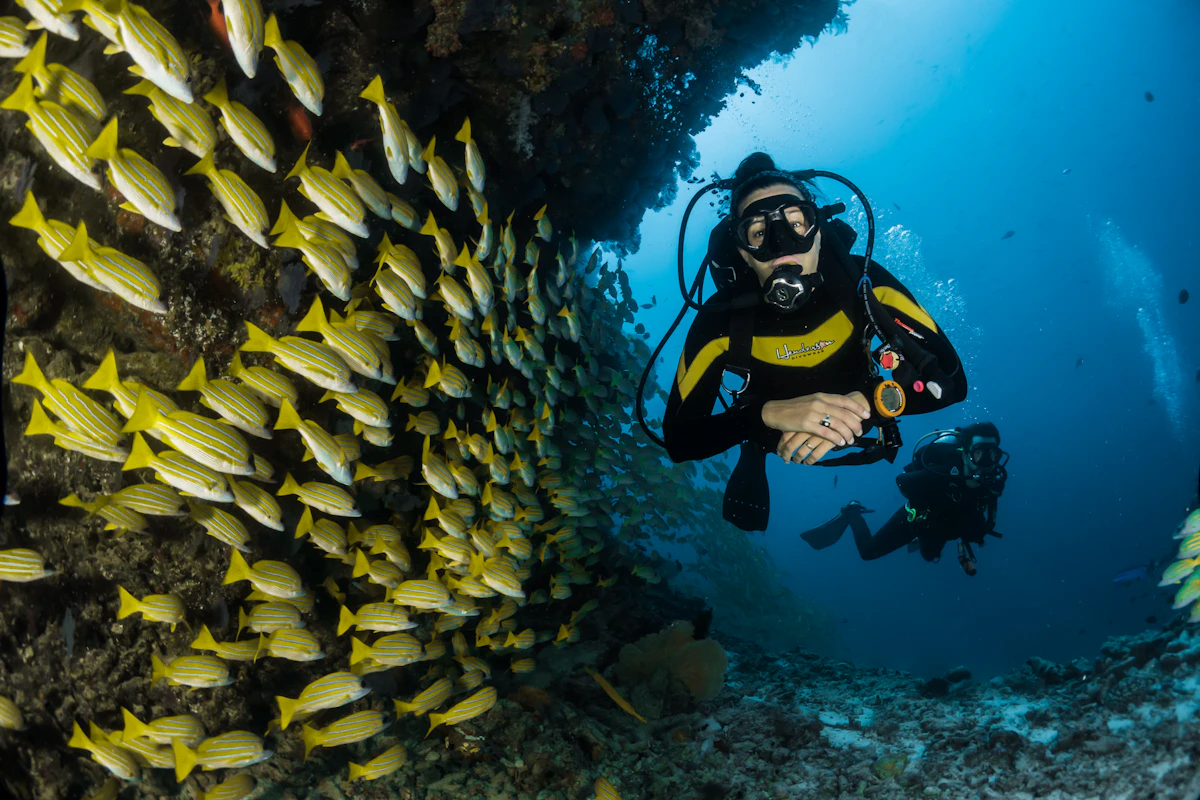 Credit: Unsplash
Palm trees framing a sunset shore
You'll wade in past outriggers pulled high on the tideline, their painted hulls sun-faded to chalky blues and reds. The bottom stays sandy and shallow for thirty meters, ideal for families who spread woven mats under the casuarina pines that line the esplanade. By late afternoon the light turns honeyed, backlighting the silhouettes of departing fishing boats and casting long shadows across the beach clubs and modest guesthouses that anchor the northern end.
What sets Mali apart is its unvarnished functionality. This isn't a manicured resort strip—stray dogs doze by the coconut carts, and the occasional plastic bottle tumbles in the shorebreak—but that everyday quality makes the scene feel authentic. You're swimming where Kalabahi residents swim, buying grilled fish where they buy it, and watching the same crimson sunsets that have closed out working days here for generations.


