Counting the waves…
Counting the waves…
A refined fusion of water purity, environmental stability, and communal vibrancy for Kolbano Beach.
View MethodologyAnalyzed via live sensors and environmental data.
Wave height, wind, and atmospheric stability.
Live footfall and crowd balance metrics.
Community reviews and curated sentiment.
“You'll hear Kolbano before you see it—the relentless tumble of pebbles pulled seaward with each retreating wave creates a percussion that echoes off the rust-colored cliffs framing this East Nusa Tenggara hideaway.…”
Limited recent visitor reports — live OBI telemetry is your best guide for current conditions.
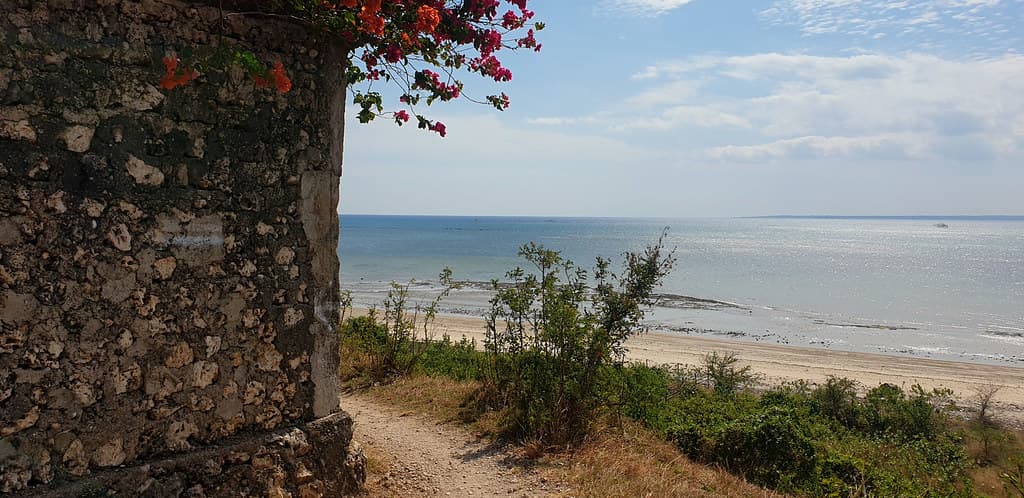
The shoreline at Kolbano refuses to behave like typical Indonesian beaches. No powder-soft sand here—just millions of river-smoothed stones in slate, charcoal, and oxblood hues that clatter underfoot and massage your soles as you walk. The Indian Ocean pounds in with authority, sending spray high enough to mist your face from twenty paces back, and when the waves retreat, they drag pebbles seaward in a sound like distant applause.
Cliffs the color of rust and terracotta bracket both ends of the kilometer-long beach, their faces scarred by centuries of wind and salt. Local fishermen haul wooden outriggers onto the stones each afternoon, their catch still flipping in woven baskets. You'll spot villagers from nearby Oelnasi collecting driftwood, their sarongs bright against the monochrome shore.
Cliff-edge cove with emerald water
Palm trees framing a sunset shore
Rust-red limestone meets black stones
Bare feet on smooth pebbles
Fishermen sell morning catch daily
Where it is
Kolbano Beach
Soe, East Nusa Tenggara, Indonesia
-10.102000°, 124.308000°
Weather
Loading…
Swell
—
Temp
Warm · Restorative
UV Index
Moderate
Wind
—
Tidal State
Last known
Max Sunlight
—
Ideal Shade
—
May - Sep (Peak)
Jan - Dec (Off-season)
Historical data suggests peak visibility and stable sea temperatures occur during the prime visitation window.
Select a category to load nearby places.
Unlock restaurants, luxury stays and curated maritime experiences within 2km
Kolbano Beach's swimming conditions vary depending on the season and weather. The pebble shoreline and strong currents in certain areas require caution. Always check local conditions before entering the water, as waves can be powerful, especially during windy periods. The beach is relatively undeveloped, meaning lifeguards and safety facilities are typically not available. Swimming is generally safer during calm weather, but it's advisable to stay close to shore and avoid venturing out during rough seas or high tide.
Kolbano Beach can be visited year-round, though the dry season from April to October generally offers the most favorable conditions with less rainfall and calmer seas. The wet season (November to March) brings occasional heavy rains but fewer crowds. Mornings and late afternoons provide the best light for photography and cooler temperatures. The beach's scenic beauty is accessible throughout the year, but dry season visits ensure better road conditions for the journey from Soe and more comfortable beach exploration.
Kolbano Beach is located approximately 70-80 kilometers southwest of Soe, the capital of Timor Tengah Selatan regency. The journey typically takes 2-3 hours by car or motorcycle along coastal and rural roads. Renting a motorcycle or hiring a private driver from Soe is the most practical option, as public transportation is limited. The route offers scenic views but road conditions can be challenging in some sections. Parking is informal and generally available near the beach access points.
Kolbano Beach has limited tourist infrastructure. Basic local warungs (small restaurants) may be found in nearby villages serving simple Indonesian meals, but options are sparse. Most visitors bring their own food and drinks. Basic guesthouses or homestays can sometimes be arranged in Kolbano village, but facilities are very simple. For more reliable accommodation and dining options, staying in Soe and visiting Kolbano as a day trip is recommended. Always bring sufficient supplies, especially water.
Kolbano Beach's distinctive pebble composition is due to geological and oceanic processes along this particular stretch of Timor's southern coast. The pebbles are naturally smoothed stones shaped by wave action over time, creating a unique landscape different from typical sandy beaches. This characteristic makes the beach particularly scenic and photogenic, especially the colorful rounded stones. While walking on pebbles can be less comfortable than sand, many visitors appreciate the beach's distinctive natural character and the soothing sound of waves moving the stones.
Photos