
The crossing from Makassar's waterfront promenade takes just fifteen minutes, but the shift is absolute. You step off the boat onto Lae Lae and the asphalt world vanishes—no cars, no motorbikes, only narrow footpaths winding between wooden houses painted in fading blues and greens. Children sprint past clutching snorkel masks, and fishermen mend nets beneath trees older than the city's Dutch-era fort.
“An inhabited coral island where Makassar locals live without cars, minutes from a city of 1.4 million people.”
 Credit: Flickr
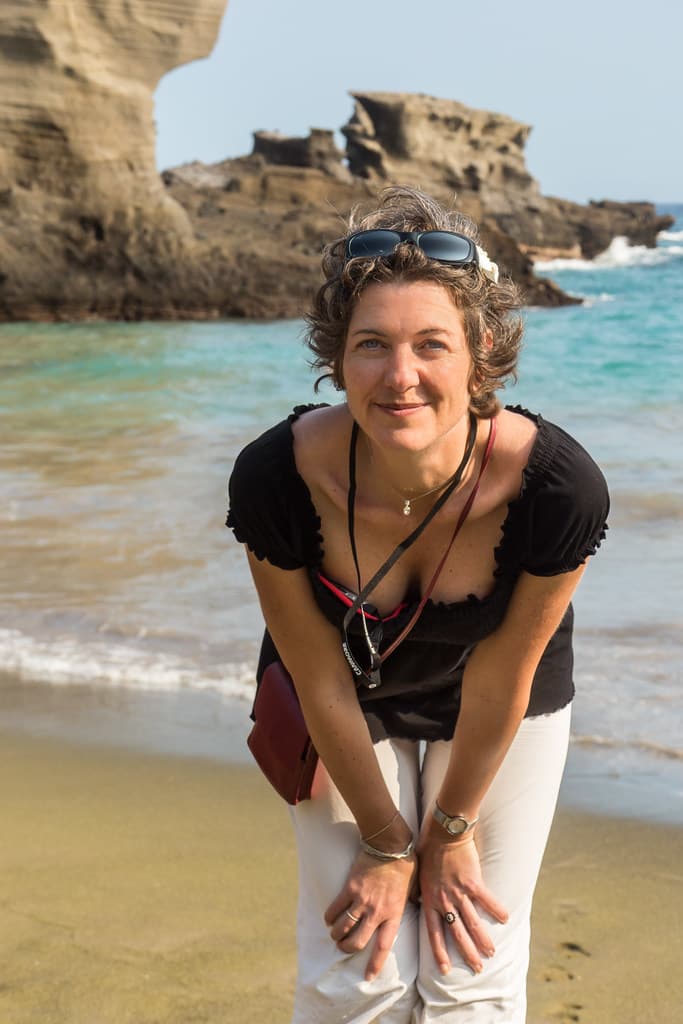
Me at Papakolea Green Sand Beach
The beach wraps around the island's eastern flank, a crescent of coarse sand meeting shallow water the color of jade. At low tide, you can wade out fifty meters and still feel the sandy bottom beneath your toes. Coral heads poke through the surface, and damselfish dart between brain coral formations. The view back toward Makassar is unexpectedly striking: glass towers and the white curve of Losari Beach shimmering across the strait, close enough to see yet entirely removed from your world of drying laundry and grilled fish smoke.
Local families claim the shade beneath ironwood trees, spreading woven mats and unpacking thermoses of sweet tea. On weekends the island pulses with day-trippers, but weekday mornings belong to the 200 residents who've lived here for generations, their rhythms governed by tide charts and the call to prayer echoing from the single mosque. You share their beach, their pace, their temporary escape from the urban density visible on every horizon.


