Counting the waves…
Counting the waves…
A refined fusion of water purity, environmental stability, and communal vibrancy for Batu Karas Beach.
View MethodologyAnalyzed via live sensors and environmental data.
Wave height, wind, and atmospheric stability.
Live footfall and crowd balance metrics.
Community reviews and curated sentiment.
“You'll hear the rumble of the Indian Ocean before you see it—a crescent of volcanic sand where wooden jukung boats rest between gentle swells. The surf here breaks slow and forgiving, and local warungs serve grilled…”
Limited recent visitor reports — live OBI telemetry is your best guide for current conditions.
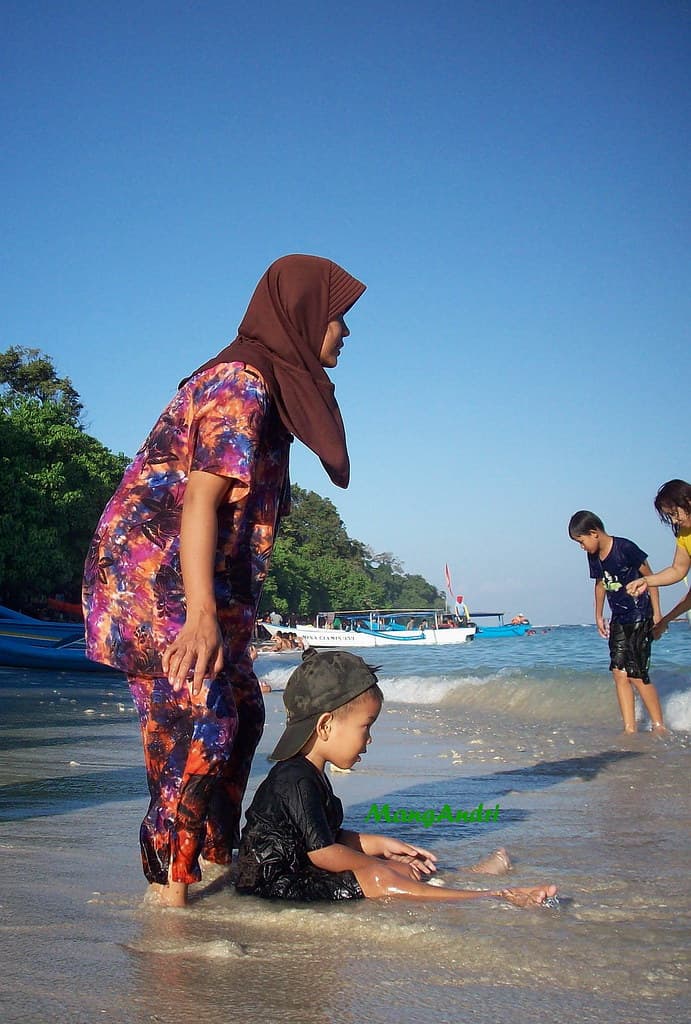
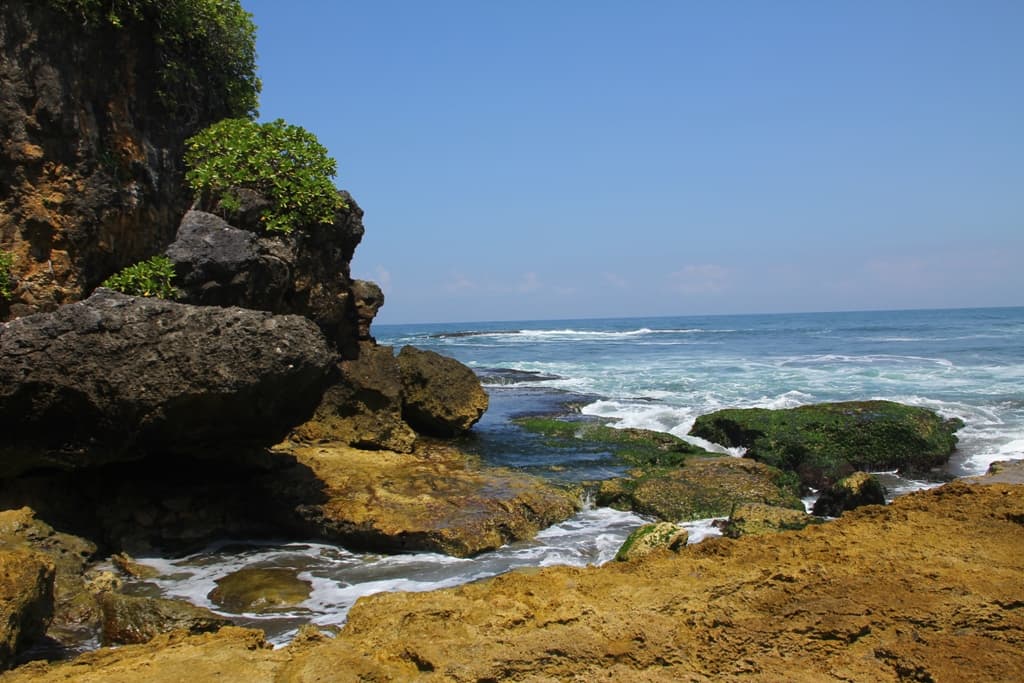
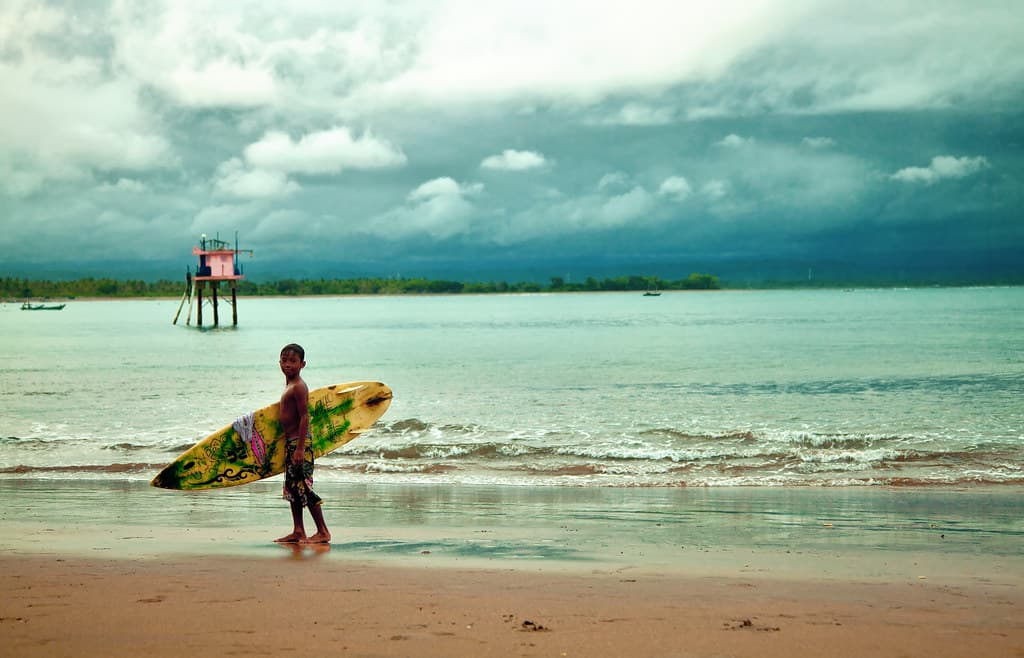
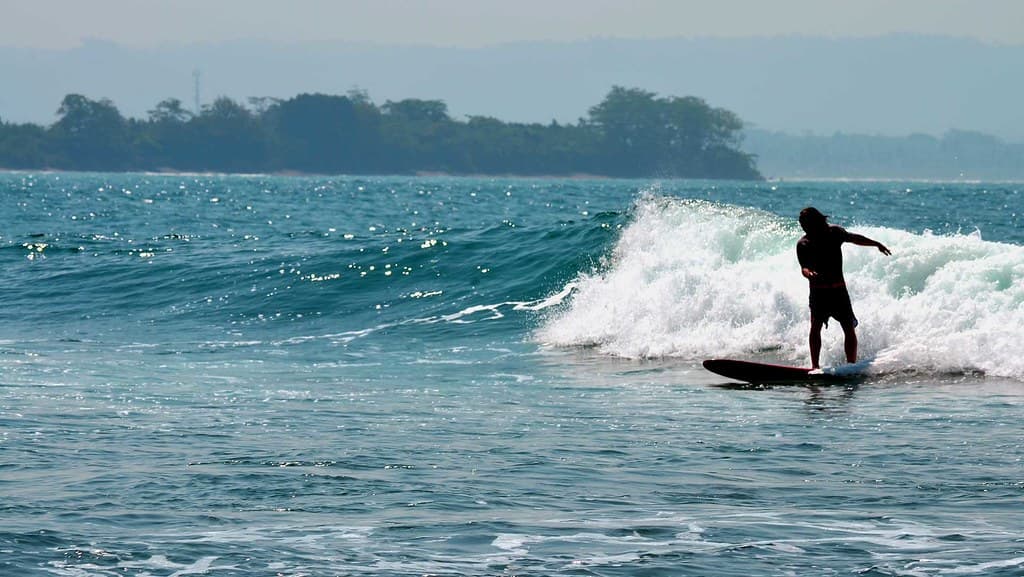
The moment you step from the narrow village lane onto the sand, Batu Karas unfolds in shades of charcoal and jade. Volcanic grains warm beneath your feet as you watch learners wobble upright on longboards, their instructors wading waist-deep through the shorebreak. The bay curves protectively, its eastern headland blunting the heaviest swells into rolling shoulders that peel left with the patience of a meditation exercise. Between sets, fishermen drag nets onto the beach, their catch still thrashing silver in the morning light.
The village itself clings to the shoreline without pretense—painted warungs lean into the breeze, their vinyl tablecloths weighted down with stone paperweights and handwritten menus advertising nasi goreng and es kelapa muda. You'll find no branded resorts, no jet-ski concessions. Instead, homestays with names like Pondok Indah and Sunrise Guesthouse offer tiled rooms a hundred meters from the tideline, their porches strung with drying wetsuits and surfboard leashes.
Gentle left-handers for first-timers
Calm estuary behind the beach
Morning snapper at beachfront warungs
Where it is
Batu Karas Beach
Batukaras, West Java, Indonesia
-7.729000°, 108.503000°
Weather
Loading…
Swell
—
Temp
Warm · Restorative
UV Index
Moderate
Wind
—
Tidal State
Last known
Max Sunlight
—
Ideal Shade
—
May - Sep (Peak)
Jan - Dec (Off-season)
Historical data suggests peak visibility and stable sea temperatures occur during the prime visitation window.
Select a category to load nearby places.
Unlock restaurants, luxury stays and curated maritime experiences within 2km
Batu Karas Beach is generally safe for swimming and particularly well-suited for beginner to intermediate surfers. The bay's protected position creates gentler waves compared to nearby surf spots, making it family-friendly. The beach has consistent but manageable surf, typically 1-2 meters, ideal for learning. However, always check local conditions and be mindful of currents during high tide. Surf schools operate on the beach with experienced instructors who know the water conditions. Lifeguards aren't always present, so supervise children closely and avoid swimming during rough weather or strong wind conditions.
Batu Karas Beach is a year-round destination, though conditions vary seasonally. The dry season (April-October) offers the most consistent surf and sunny weather, with waves peaking June-August—ideal for surfers. The wet season (November-March) brings afternoon rain showers but fewer crowds and lush green surroundings. Surfable waves occur throughout the year thanks to the bay's exposure to southern swells. For the best overall experience combining good surf, pleasant weather, and manageable crowds, visit during the shoulder months of April-May or September-October when conditions are favorable and the beach is less busy.
Batu Karas Beach is located approximately 90 kilometers southwest of Tasikmalaya and 50 kilometers from Pangandaran. From major cities, take a bus or train to Cijulang or Kalipucang, then a local minibus or ojek (motorcycle taxi) for the final 10-15 kilometers to Batukaras village. If driving, follow signs from the main coastal road. Limited parking is available near the beach in the village area, typically at guesthouses or small paid lots. Most accommodations are within walking distance of the beach, so parking isn't essential once you arrive.
Batukaras village offers a range of budget-friendly guesthouses, surf camps, and small hotels within walking distance of the beach. Beachfront warungs (local eateries) serve fresh seafood, Indonesian dishes, and Western options catering to surfers. Several surf shops rent boards and offer lessons. Basic amenities include small convenience stores, motorbike rentals, and a few beach bars. The atmosphere is relaxed and low-key compared to commercial beach resorts. Most accommodations are simple but clean, with some offering ocean views. ATMs are limited, so bring sufficient cash from larger towns nearby.
Batu Karas stands out for its laid-back, unspoiled atmosphere and consistent beginner-friendly waves in a protected bay setting. Unlike more commercialized spots like Bali's Kuta, it retains authentic village charm with minimal development. The beach uniquely combines safe swimming conditions for families with reliable surf, making it rare among Indonesian surf destinations. The surrounding area features scenic river estuaries and fishing boats, offering a glimpse into local life. Its relative remoteness has preserved a peaceful, community-focused vibe that appeals to travelers seeking an alternative to crowded tourist beaches while still enjoying good surf infrastructure.
Photos