
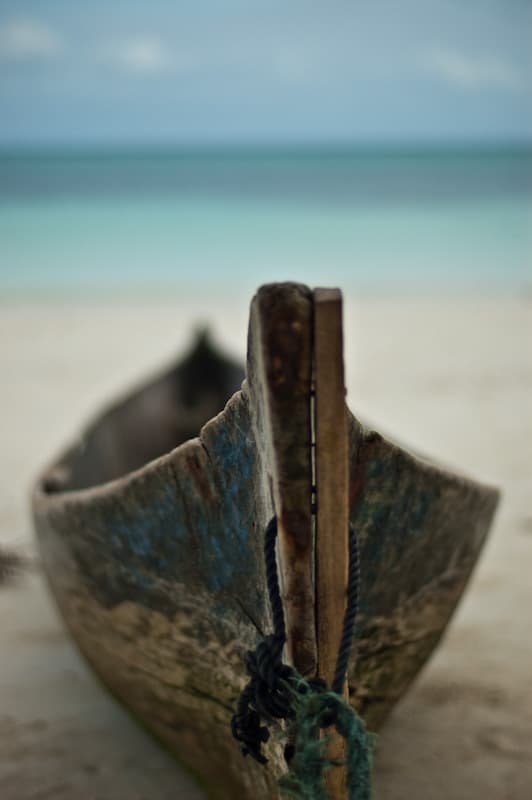
The name translates simply to "Long Beach," and Pasir Panjang delivers exactly that—an unhurried expanse of honey-colored sand that curves along Singkawang's northern edge. You won't find the gin-clear water that dominates Instagram feeds; the Karimata Strait carries sediment that turns the sea a jade-olive hue, particularly after rain. But what the beach surrenders in visibility it reclaims in solitude. Wooden fishing platforms dot the waterline, their stilts dark with age and barnacles, while rows of colorful sampans pull up each afternoon with the day's catch of squid and mackerel.
“One of Indonesia's few beaches where Chinese temple architecture frames your swim rather than Hindu or Muslim landmarks.”
 Credit: Flickr
Kei Island
Singkawang's Chinese-Indonesian heritage announces itself in the ornate temples that punctuate the beachfront—red-tiled roofs and coiling dragons rising above the palms. On festival days, devotees carry offerings down to the surf, and the scent of burning joss sticks mingles with salt air. Families colonize the shade beneath casuarina trees on weekends, spreading tarps and unpacking thermoses of sweet tea, but midweek you'll share the sand with only the occasional jogger and stray dogs napping in the morning cool.
The beach's lack of commercial polish is precisely its appeal. No jet skis shatter the quiet, no beach clubs blast house music. You rent a simple wooden lounger for pocket change from a grandmother selling grilled corn, wade into bathwater-warm shallows, and watch cargo ships inch across the horizon toward Pontianak.


