

Counting the waves…
Counting the waves…
A refined fusion of water purity, environmental stability, and communal vibrancy for Maluk Beach.
View MethodologyAnalyzed via live sensors and environmental data.
Wave height, wind, and atmospheric stability.
Live footfall and crowd balance metrics.
Community reviews and curated sentiment.
“You'll hear the reef before you see it—a low, hollow rumble rolling in from the Indian Ocean. Maluk unfurls along a crescent of charcoal sand, where fishing boats tilt on their outriggers and sets pulse through the…”
Limited recent visitor reports — live OBI telemetry is your best guide for current conditions.
Maluk sits at the southwestern edge of Sumbawa, a beach that exists in the narrow space between discovery and obscurity. The sand here isn't white—it's the colour of wet slate, volcanic grit that heats quickly under your feet at midday and cools to a pleasant warmth by dusk. Coconut palms lean at improbable angles, their fronds chattering in the onshore breeze that builds most afternoons. The bay curves gently, sheltering a right-hand point break that's earned quiet reverence among surfers willing to make the journey.
The wave is the reason most people come. It peels with metronomic consistency, offering long walls and the occasional barrel section when the swell pushes overhead. Between sets, you'll watch wooden outriggers motor past, fishermen checking nets while you wait in the line-up. The water holds a deep teal hue, darker than Bali's breaks, with enough clarity to spot the reef sliding beneath your board.
Long walls, mid-tide barrels
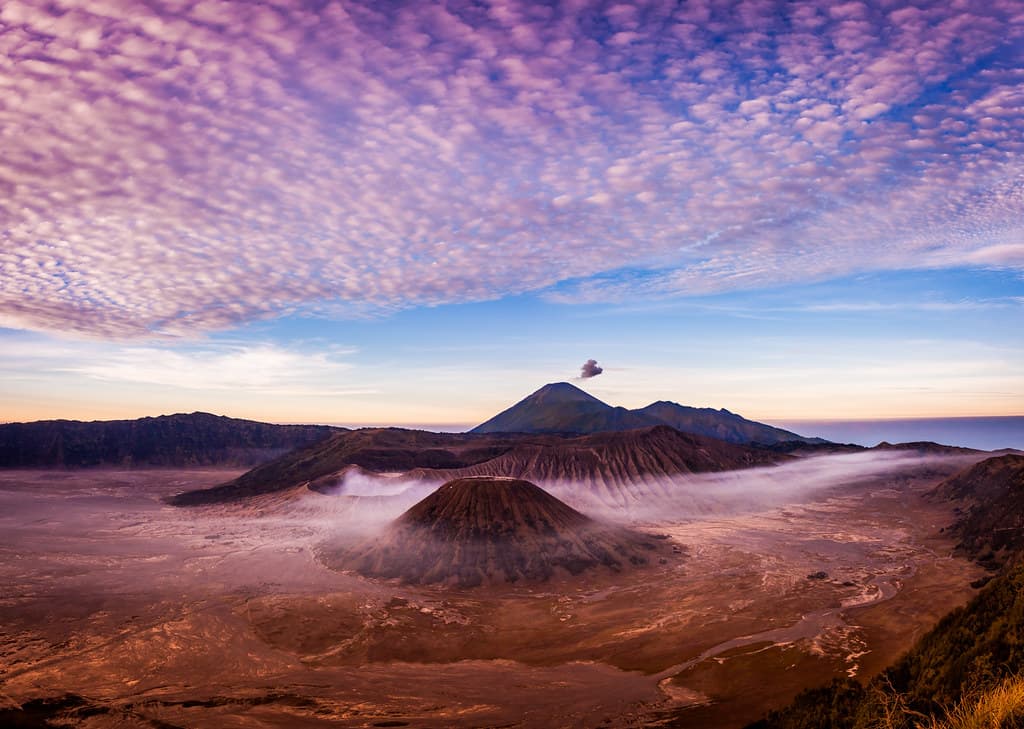
Charcoal sand meets purple sky
Grilled snapper, sambal, lime
Where it is
Maluk Beach
Maluk, West Nusa Tenggara, Indonesia
-8.987000°, 116.828000°
Weather
Loading…
Swell
—
Temp
Warm · Restorative
UV Index
Moderate
Wind
—
Tidal State
Last known
Max Sunlight
—
Ideal Shade
—
May - Sep (Peak)
Jan - Dec (Off-season)
Historical data suggests peak visibility and stable sea temperatures occur during the prime visitation window.
Select a category to load nearby places.
Unlock restaurants, luxury stays and curated maritime experiences within 2km
Maluk Beach is primarily known as a surf destination with consistent swells, making it more suitable for surfing than casual swimming. The waves can be powerful, especially during peak surf season, with strong currents that may challenge inexperienced swimmers. The beach has a reef break, so water shoes are recommended for protection. If you're not surfing, swimming is safer during calmer periods early morning or late afternoon, and always stay within shallow areas. Check local conditions before entering the water and observe where experienced surfers and locals swim.
Maluk Beach offers year-round surfing, but the prime season runs from April to October during the dry season, when you'll find the most consistent swells and offshore winds. Peak surf conditions typically occur June through August with waves reaching 4-8 feet. The wet season (November-March) brings occasional rain but still offers surfable waves with fewer crowds. Water temperature stays warm year-round at 27-29°C. For beginners, the shoulder seasons (April-May, September-October) provide smaller, more manageable waves while still enjoying pleasant weather.
Maluk Beach is located on Sumbawa's west coast, approximately 3-4 hours' drive north from Sumbawa Besar or the ferry port at Poto Tano. Most visitors arrive by rented motorbike or car, or arrange private transport through their accommodation. The road is mostly paved but includes some rough sections. There's informal parking available near the beach and along the main road—parking is generally free and unstructured. Some guesthouses offer parking for guests. Public transport to Maluk is limited, so hiring private transportation is the most practical option.
Maluk has a growing selection of surf-oriented guesthouses and homestays ranging from basic budget rooms to mid-range bungalows, many offering beachfront locations. The village has several small warungs (local restaurants) serving Indonesian staples and fresh seafood at affordable prices. A few accommodations have their own restaurants catering to international tastes. Basic amenities include small shops for essentials and surf gear. It's advisable to bring cash as ATMs are limited. The area maintains a laid-back, undeveloped atmosphere compared to more tourist-heavy destinations.
Maluk Beach stands out for its remarkably uncrowded lineups despite offering world-class left-hand reef breaks. Unlike Bali's packed surf spots, you can often surf quality waves with just a handful of people in the water. The beach's remote location on West Sumbawa has preserved its authentic, off-the-beaten-path character. The consistent year-round swell, combined with beautiful tropical scenery and friendly local community, creates an ideal setting for surfers seeking an alternative to Indonesia's more commercialized surf destinations while still enjoying reliable waves.
Photos