Counting the waves…
Counting the waves…
A refined fusion of water purity, environmental stability, and communal vibrancy for Fanore Beach.
View MethodologyAnalyzed via live sensors and environmental data.
Wave height, wind, and atmospheric stability.
Live footfall and crowd balance metrics.
Community reviews and curated sentiment.
“Fanore Beach is where two of Ireland's most iconic landscapes collide: the stark, limestone pavements of the Burren meet the powerful, rolling waves of the Atlantic. It's a place of breathtaking contrasts, offering both…”
Limited recent visitor reports — live OBI telemetry is your best guide for current conditions.
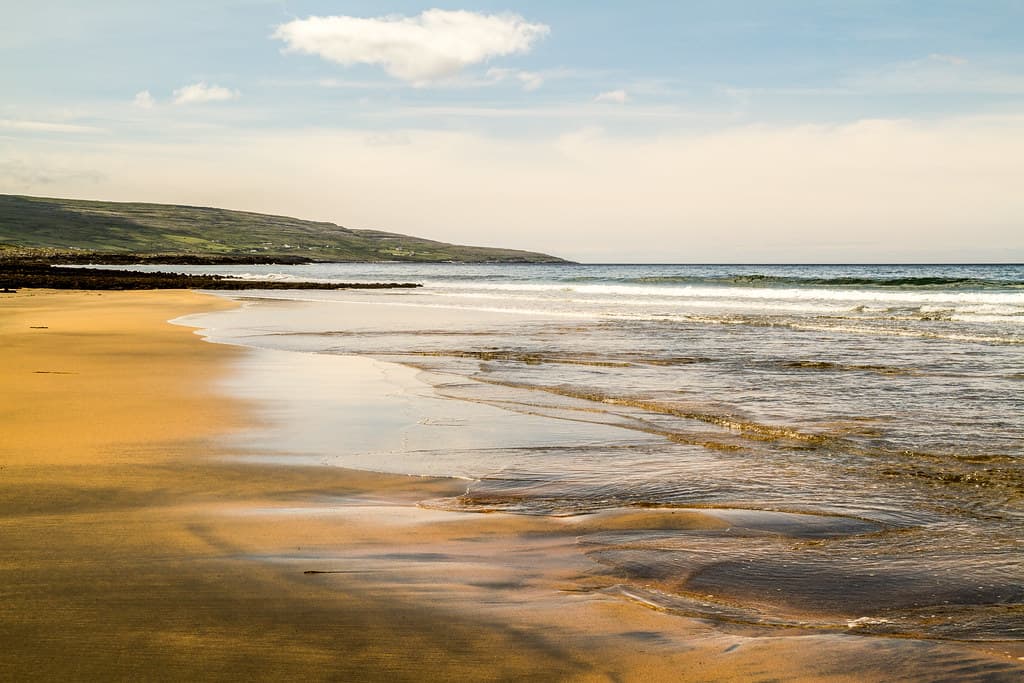
Fanore Beach is a geological marvel, a sweeping expanse of golden sand where the unique, fissured limestone of the Burren tumbles down to meet the churning Atlantic. The visual drama is immediate: ancient rock formations, sculpted by millennia, give way to the dynamic, ever-changing ocean.
Feel the cool, damp sand beneath your boots as you explore, or shed them to let the fine grains cushion your steps. The waves here are often robust, drawing surfers and bodyboarders to its lively breaks. Even if you're not riding the swells, the energy of the ocean is palpable, invigorating the air with salt spray.
Ride Atlantic waves
Explore unique geology
Capture dramatic views
Prime Visitation
Best Weather
Where it is
Fanore Beach
Fanore, Clare, Ireland
53.120900°, -9.287900°
Weather
Loading…
Swell
—
Temp
Warm · Restorative
UV Index
Moderate
Wind
—
Tidal State
Last known
Max Sunlight
—
Ideal Shade
—
May - Sep (Peak)
Jan - Dec (Off-season)
Historical data suggests peak visibility and stable sea temperatures occur during the prime visitation window.
Select a category to load nearby places.
Unlock restaurants, luxury stays and curated maritime experiences within 2km
Fanore Beach does not have lifeguard supervision, so swimming is at your own risk. The beach faces the open Atlantic and can experience strong currents, waves, and undertows, particularly during changing tides. Conditions vary greatly depending on weather and swell, so assess carefully before entering the water. The rocky outcrops can create hazardous areas during high tide. Swimming is generally safer during calm summer days at mid-tide. Always swim with others, stay aware of conditions, and never underestimate Atlantic waters.
Late spring through early autumn offers the most pleasant weather for beach visits, with May to September being optimal. Summer provides warmer temperatures ideal for exploring rock pools and the dramatic Burren landscape above the beach. Low tide reveals extensive sandy areas and fascinating geological features. Winter and early spring bring dramatic storm watching opportunities and powerful waves, though swimming is not advisable. The changing light throughout the day creates spectacular photography opportunities against the Burren's limestone terraces year-round.
Fanore Beach is located along the Wild Atlantic Way coastal route between Doolin and Ballyvaughan in County Clare. By car, take the scenic R477 coast road; the beach is clearly visible from the road with parking available near the shore. The drive from Galway takes approximately 50 minutes, while Doolin is about 20 minutes south. Public transport is very limited in this area, making a car essential. The journey offers stunning views of the Burren's unique landscape and Atlantic coastline.
Fanore is a small coastal settlement with limited but charming facilities. A few guesthouses, B&Bs, and self-catering cottages provide accommodation with authentic Irish hospitality. The local pub serves traditional food and acts as a community hub. Nearby villages like Ballyvaughan and Doolin offer additional dining options, craft shops, and supplies. Many visitors stay in these nearby towns while exploring Fanore as a day trip. Bringing supplies for a beach picnic is recommended given the limited immediate facilities.
Fanore Beach sits at the unique intersection of the Burren's limestone landscape and the Atlantic Ocean, creating dramatic scenery unlike anywhere else in Ireland. The terraced limestone hills descend directly to the sandy beach, offering spectacular geological contrasts. The area is renowned among naturalists for rare Arctic-alpine and Mediterranean plants growing in the Burren's microclimate. The beach provides access to coastal walks with breathtaking views and unusual rock formations. This combination of pristine beach and extraordinary karst landscape creates an unforgettable setting.
Photos