Counting the waves…
Counting the waves…
A refined fusion of water purity, environmental stability, and communal vibrancy for Costa Merlata Beach.
View MethodologyAnalyzed via live sensors and environmental data.
Wave height, wind, and atmospheric stability.
Live footfall and crowd balance metrics.
Community reviews and curated sentiment.
“The coastline here fractures into a sequence of small bays, each cupped by low cliffs whitened by salt and sun. You pick your way down footpaths through Mediterranean scrub, emerging onto narrow crescents of coarse sand…”
Limited recent visitor reports — live OBI telemetry is your best guide for current conditions.
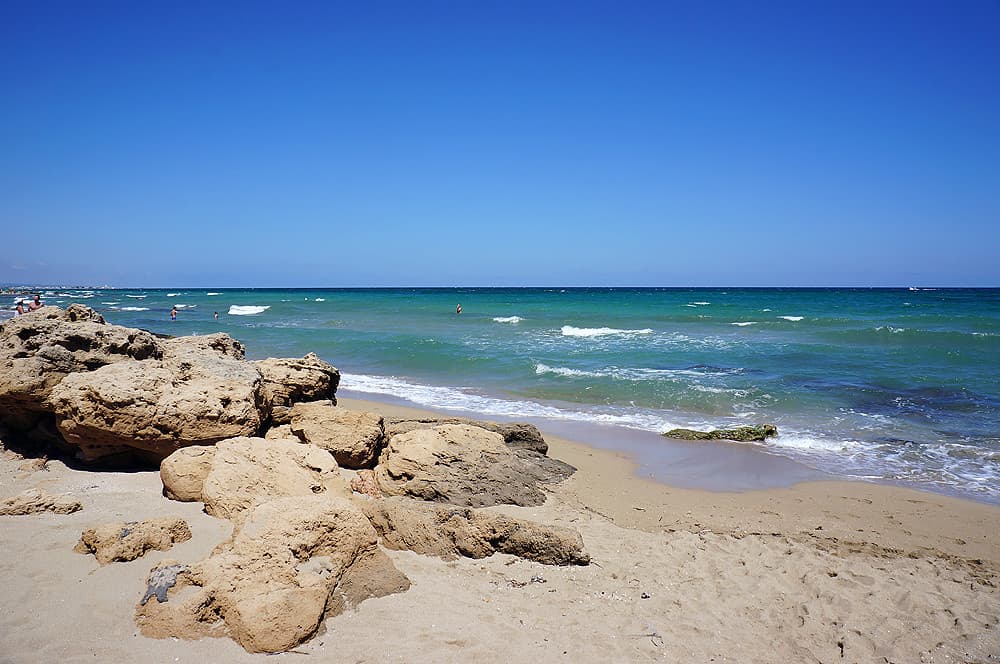
The rock here is sedimentary, layered in bands of cream and pale gray, sculpted by millennia of wave action into shelves and ledges that step down into the Adriatic. You choose your cove based on the wind—northerly gusts shelter differently than sirocco—and descend stone stairs worn concave by summer feet. Each inlet holds a dozen umbrellas at most, the space naturally limited by geology.
The water shifts from jade in the shallows to deep sapphire beyond the rock line, transparent enough that you watch your own legs scissor through schools of silver damselfish. Locals bring masks and fins, freediving along the submerged boulders where octopus hide in crevices and sea urchins bristle black against the pale stone. The seafloor alternates between sand patches and rocky shelves carpeted in Neptune grass that sways with the surge.
Aerial view of turquoise tropical bay
Wide white-sand beach with footprints
Octopus and damselfish among boulders
Navigate between sheltered inlets safely
Limestone white against Adriatic blues
Prime Visitation
Best Weather
Where it is
Costa Merlata Beach
Ostuni, Apulia / Brindisi, Italy
40.764900°, 17.608200°
Weather
Loading…
Swell
—
Temp
Warm · Restorative
UV Index
Moderate
Wind
—
Tidal State
Last known
Max Sunlight
—
Ideal Shade
—
May - Sep (Peak)
Jan - Dec (Off-season)
Historical data suggests peak visibility and stable sea temperatures occur during the prime visitation window.
Select a category to load nearby places.
Unlock restaurants, luxury stays and curated maritime experiences within 2km
Costa Merlata Beach is generally safe for swimming with clear turquoise waters ideal for snorkeling around the rocky cove areas. The mix of sandy patches and rock formations creates interesting underwater environments but requires caution when entering the water. Swimmers should wear water shoes to protect feet from rocks and sea urchins. The coves provide some shelter from wind and waves. Water quality is typically excellent in this area. Supervision of children is essential due to variable depths and rocky areas. Snorkeling is best in calm conditions; check weather and sea state before entering the water.
The best time to visit Costa Merlata Beach is from June through September for optimal swimming, snorkeling, and weather conditions. July and August offer warmest water and full services but bring crowds and higher prices. June and September provide excellent conditions with fewer visitors and clearer water for snorkeling. May and October can be pleasant for beach visits and scenic walks, though water is cooler and facilities limited. The turquoise water is most striking in bright sunshine, making summer months ideal. Winter visits offer dramatic coastal scenery but swimming is unsuitable and most services closed.
Costa Merlata Beach is located approximately 7-8 kilometres from Ostuni's historic centre along the coastal road towards Villanova. Driving is the most practical option; follow signs towards the coast and Marina di Ostuni, then Costa Merlata. Limited parking is available near the coves, filling quickly in summer; arrive early during peak season. No regular public transport serves this specific beach area, making car rental recommended. The nearest airport is Brindisi, about 30 kilometres away. Some visitors cycle from Ostuni, though the route includes hills. Taxis are available but expensive for regular trips.
Costa Merlata has limited on-site facilities with a few seasonal beach clubs and small cafés offering snacks, drinks, and simple meals. For more extensive dining, nearby Marina di Ostuni and the coastal road feature restaurants serving seafood and Apulian cuisine. Accommodation in the immediate area includes vacation rentals, small hotels, and agriturismos on the surrounding coastal road. Many visitors stay in Ostuni town (15 minutes away) for greater choice and access to the historic centre. The beach area is less developed than major resorts. Bringing water and snacks is advisable, especially for full-day visits.
Costa Merlata Beach stands out for its clustered cove formation combining rocky outcrops with sandy patches and striking turquoise water. Unlike the longer sandy stretches at other Ostuni beaches, these intimate coves offer scenic beauty and excellent snorkeling opportunities around rock formations. The varied topography creates natural interest and photogenic views particularly appealing to those seeking more than just sunbathing. The beach attracts strong regional loyalty among Italian visitors who appreciate its natural character. It offers a different coastal experience compared to the more developed resort beaches nearby, balancing accessibility with natural charm.
Photos