
Bazzano unfolds in a gentle curve between rocky headlands, the sand a shade darker than the tourist-brochure beaches to the north, more honey than platinum. This is the Sperlonga the developers missed, where low dunes covered in sea daffodil and beach morning glory separate the sand from the coastal road, and you can walk a hundred yards without seeing an umbrella concession. The water offshore maintains the clarity the Tyrrhenian is known for, though here the bottom is sand rather than rock, creating aquamarine shallows that deepen gradually.
“The last undeveloped stretch of sand within walking distance of Sperlonga, preserved more by accident than design.”
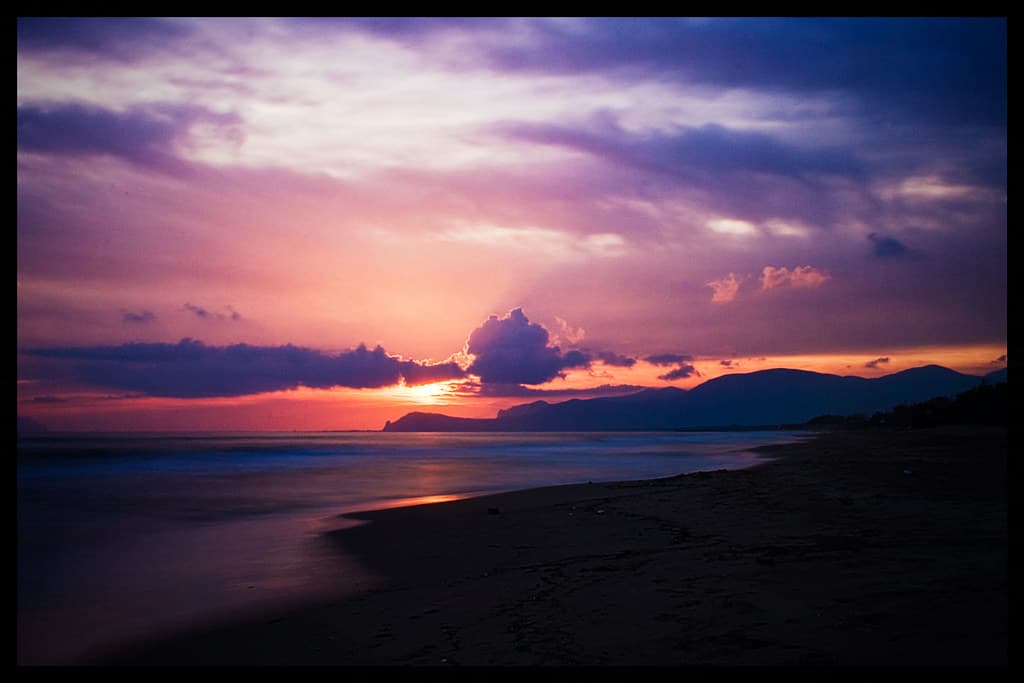 Credit: Flickr
Bazzano Beach — photo by Massimo Palmieri
You spread your towel near the southern rocks, where a stream cuts through the dunes and creates a brackish pool that warms to bathing temperature by afternoon. The beach shelves gently; you can wade out fifty feet and still touch bottom, making this a favorite with families who discover it. Behind you, the Aurunci mountains rise in gray-green folds, their peaks occasionally dusted with snow even into April. The beach bars are simple affairs—plastic chairs, cold beer, panini—none of the polished operations that line the main Sperlonga strand.
By late afternoon the wind typically picks up from the south, riffling the dune grasses and creating small chop on the water. The light takes on that particular Mediterranean gold that makes even ordinary scenes look mythic. You notice details: the way the sand holds heat long after the sun drops behind the mountains, the parallel ridges the tide leaves, the fragments of Posidonia washed up in dark tangles. This is what the entire coast looked like before it became famous—not spectacular, exactly, but real and unreconstructed and worth protecting.


