

The name comes from the old quarantine station that once isolated plague ships, though nothing about the water today suggests contagion—it's so transparent you can count the spines on sea urchins three meters down. You'll park along the coastal road and pick your way down paths worn smooth by hundreds of previous visitors, each bay revealing itself only as you round the headland. The rocks retain the sun's heat well into evening, warm beneath your feet even as the air cools.
“Multiple hidden coves in quick succession mean you can effectively have a different beach each hour without moving your car.”
 Credit: Unsplash
Palm trees framing a sunset shore
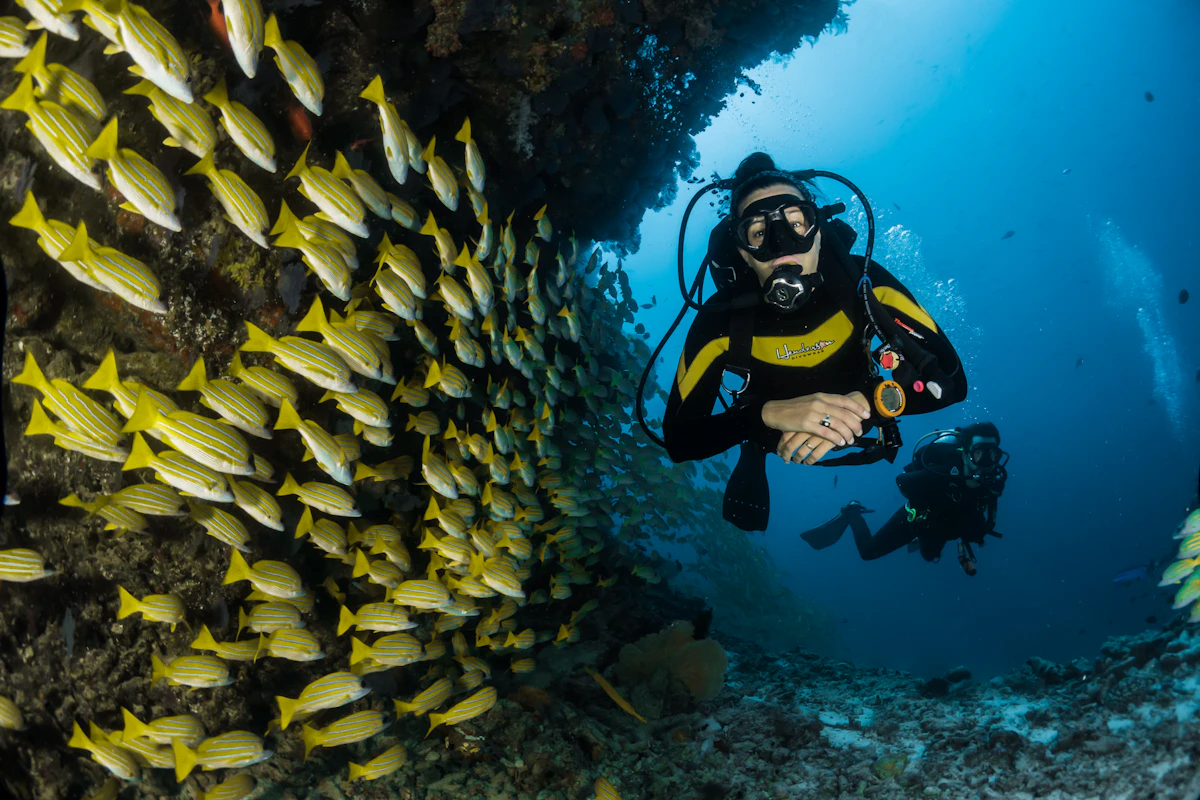
Snorkelers drift above the underwater boulders where wrasses hunt and grouper sulk in the shadows. The seabed here is a jumble of rock fall and posidonia meadows, the Neptune grass swaying in the current like wheat fields in wind. Between swims you'll sprawl on the flat rocks, skin tightening with salt, watching yachts motor past toward Alghero's harbor. Locals bring plastic chairs and umbrellas, claiming their preferred perches with the territorial certainty of seabirds.
The best cove sits farthest north, where the rocks form a natural pool at high tide and the overhanging pines provide rare shade. By late afternoon the tour boats from Alghero's port swing by, guides pointing out the distinctive red tower on the promontory. You'll be gone by then, salt-stiff and sun-drunk, the imprint of limestone still pressed into your shoulders, already planning which inlet to try tomorrow.


