
Counting the waves…
Counting the waves…
A refined fusion of water purity, environmental stability, and communal vibrancy for Cala di Trana.
View MethodologyAnalyzed via live sensors and environmental data.
Wave height, wind, and atmospheric stability.
Live footfall and crowd balance metrics.
Community reviews and curated sentiment.
“You bump along a rutted path through juniper and rockrose until the vegetation opens onto a beach cupped between low headlands. Dunes rise behind the shore, their faces rippled by the maestrale and anchored by sea…”
Limited recent visitor reports — live OBI telemetry is your best guide for current conditions.
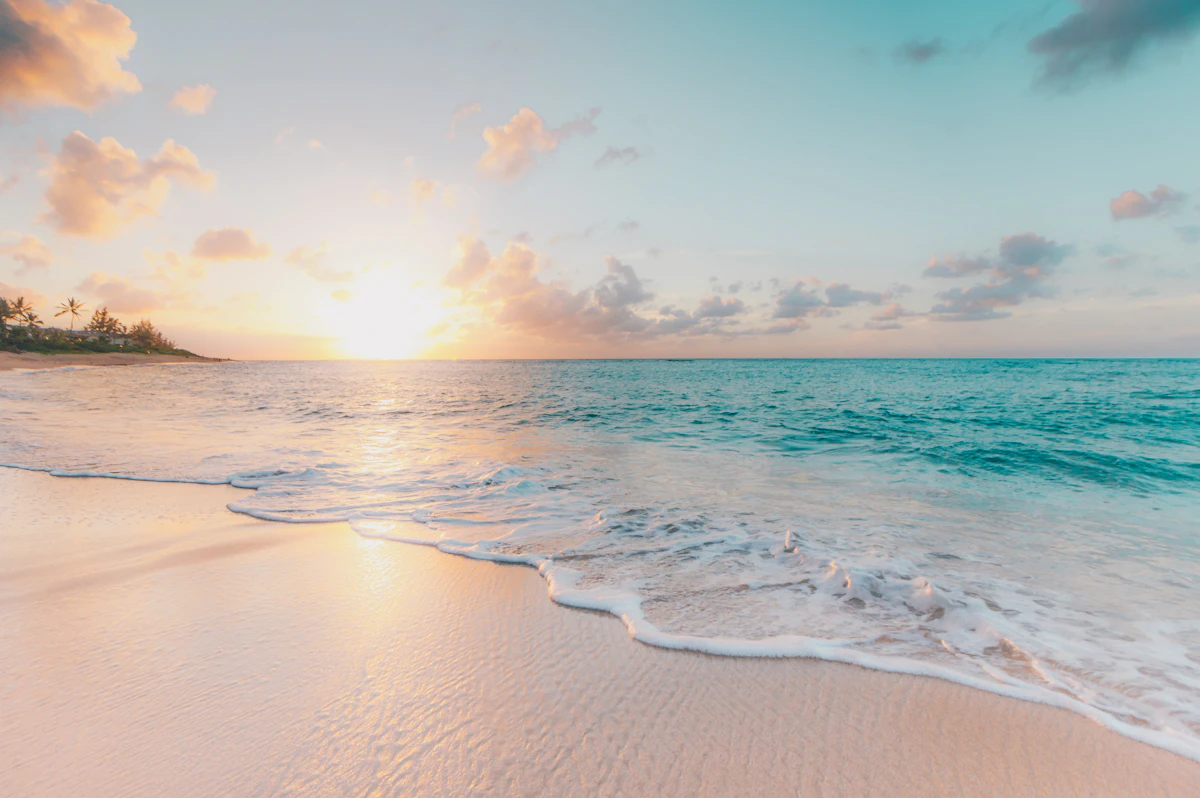
The final approach to Cala di Trana involves twenty minutes walking from the nearest parking area, the path threading through dense Mediterranean scrub that rattles in the wind. You smell the beach before seeing it—salt and sun-warmed seaweed, the iodine tang of low tide. When the bay reveals itself, the water is a gradient of impossible blues: pale turquoise over sand, deepening to sapphire where the rocky headlands plunge underwater.
You choose a spot near the dunes where marram grass provides nominal shade, though most visitors bring umbrellas or pop-up tents. The sand is fine enough to squeak underfoot, made of pulverized granite and seashells ground to powder over centuries. Wading in, you feel the temperature shift—cold upwellings from the channel beyond the bay mixing with sun-heated shallows. Small fish dart around your ankles. The bottom stays sandy for thirty meters before transitioning to seagrass meadows where you spot sea cucumbers and the occasional cuttlefish.
a group of people sitting on a beach next to a body of water
a rocky beach with clear blue water
Juniper and rockrose approach path
Turquoise shallows to sapphire depths
Wind-sculpted sand formations shift daily
Prime Visitation
Less Crowds
Where it is
Cala di Trana
Palau, Sardinia, Italy
41.197400°, 9.354300°
Weather
Loading…
Swell
—
Temp
Warm · Restorative
UV Index
Moderate
Wind
—
Tidal State
Last known
Max Sunlight
—
Ideal Shade
—
May - Sep (Peak)
Jan - Dec (Off-season)
Historical data suggests peak visibility and stable sea temperatures occur during the prime visitation window.
Select a category to load nearby places.
Unlock restaurants, luxury stays and curated maritime experiences within 2km
Cala di Trana generally offers calm, sheltered waters suitable for swimming, thanks to its protected bay configuration. The turquoise waters are typically clear with gentle gradients, making it reasonable for confident swimmers. However, as a more natural, undeveloped beach, there are no lifeguards on duty, and facilities are minimal. Families should supervise children closely. Water conditions can vary with weather, so check local forecasts. The walk required to reach the beach may be challenging for very young children or those with mobility limitations.
To experience Cala di Trana with fewer crowds, visit during shoulder seasons—late May to mid-June or September to early October. The beach is less crowded than neighboring Costa Smeralda hotspots even in peak summer, but July and August still bring more visitors. Weekdays are quieter than weekends year-round. Early morning or late afternoon visits offer the most solitude. The beach's hidden nature and access via footpath naturally limit visitor numbers compared to easily accessible beaches, making it a good choice for those seeking tranquility throughout the season.
Cala di Trana is located near Palau and requires a short walk to access. From Palau town center, drive or take local transport toward the coastal areas northwest of town. Look for parking areas near the coast, then follow walking paths toward the beach—the trail is typically manageable but requires sturdy footwear. The walk takes approximately 10-20 minutes depending on your starting point. As a hidden beach, signage may be limited, so GPS coordinates or local maps are helpful. Bring everything you need as there are no facilities at the beach itself.
Cala di Trana itself has no facilities, restaurants, or direct beachfront accommodations due to its undeveloped, natural character. Visitors should bring food, water, and supplies. The nearby town of Palau, just a short drive away, offers numerous dining options ranging from casual pizzerias to seafood restaurants, plus supermarkets for picnic supplies. Accommodations in Palau include hotels, vacation rentals, and bed-and-breakfasts to suit various budgets. Staying in Palau provides convenient access to Cala di Trana while offering all necessary amenities and services for your stay in northern Sardinia.
Cala di Trana stands out for its distinctive dune-backed landscape, creating a unique coastal environment in the Palau area. The beach offers a more secluded, natural experience compared to busier, more accessible beaches nearby. Its turquoise waters and scenic bay setting provide excellent photo opportunities and a romantic atmosphere, making it particularly popular with couples. The short walk required to reach it filters out casual beachgoers, ensuring a more peaceful environment. The combination of beautiful sand, clear water, natural dunes, and relative tranquility makes it a special discovery for those willing to venture slightly off the beaten path.
Photos