

Ajigasawa Beach unfolds along the western edge of Aomori Prefecture, where the Tsugaru coastline trades the tourist gloss of southern beaches for something more utilitarian and honest. Dark sand, heavy with iron and sediment from nearby Mount Iwaki, absorbs the sun's heat by midday. The Sea of Japan here is moody—calm enough for families to wade on summer mornings, then churning with whitecaps by afternoon when the offshore winds pick up.
“Ajigasawa remains Aomori's most accessible Sea of Japan beach where working fishing culture and family swimming coexist without pretense.”
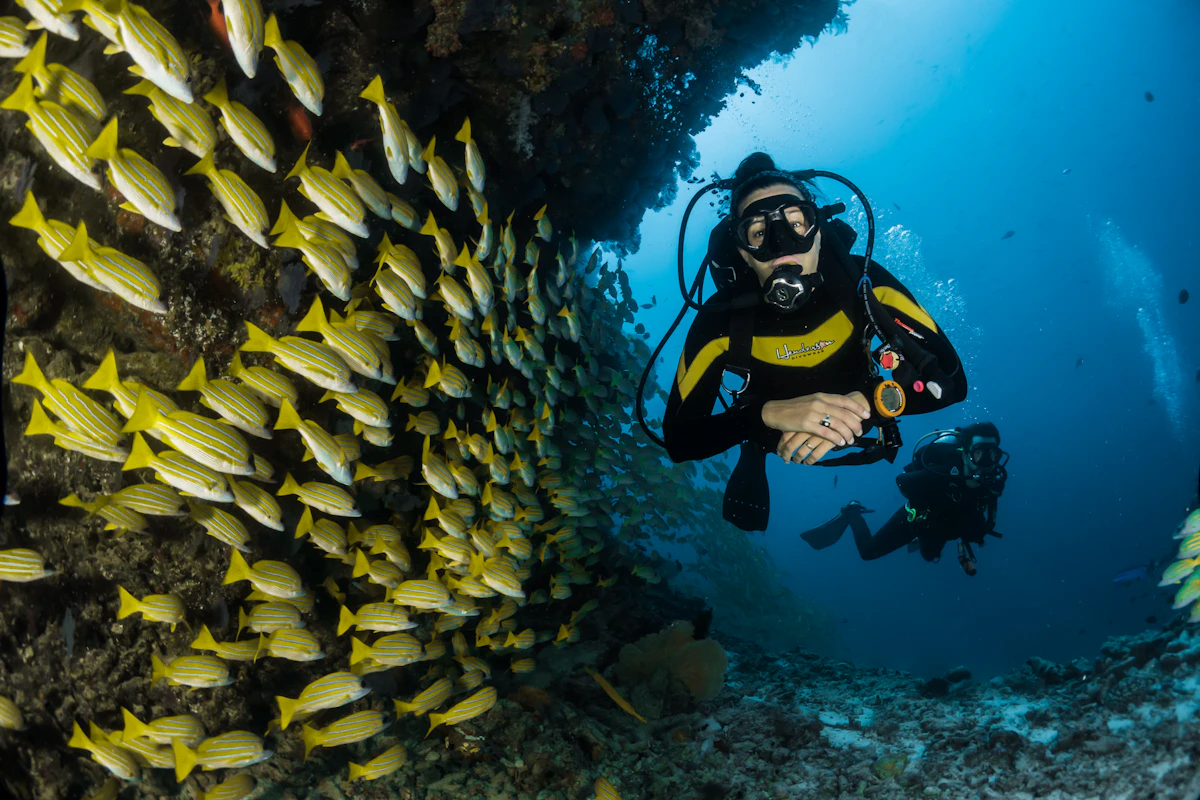 Credit: Unsplash
Palm trees framing a sunset shore
The town of Ajigasawa built its livelihood on fishing, not tourism, and the beach reflects that pragmatism. Concrete tetrapods guard sections of the shore against winter storms. Local families claim their spots early on weekends, setting up vinyl tarps and coolers filled with onigiri and barley tea. You'll hear more Tsugaru dialect than English, and the only music is the rhythmic crash of waves and the occasional loudspeaker from a passing fish truck.
Come autumn, the beach transforms. The summer crowds vanish, leaving you alone with migrating seabirds and the distant silhouette of Mount Iwaki rising inland. The water stays swimmable into September, though locals warn the currents strengthen as the season turns. Year-round, the boardwalk remains open, lined with weathered benches where fishermen mend nets and grandmothers watch the horizon.


